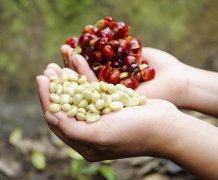
How to Explore Single-Origin Coffee by Country
If you’ve ever stood in front of a shelf of single-origin coffees and wondered what makes a Brazilian different from a Kenyan—or why Ethiopian beans taste like fruit while Sumatran ones lean earthy—you’re not alone. Most coffee drinkers want to explore the world through their cup, but don’t know where to start. Understanding how origin, variety, and processing shape flavor is the key to unlocking those differences.
To explore single-origin coffee effectively, focus on 10 major producing countries—each offering distinct cup profiles shaped by climate, altitude, and processing. Learn how Brazil’s nutty sweetness differs from Ethiopia’s bright citrus, or how Panama’s Geisha became famous for floral complexity. These regional traits come from terroir and technique, not marketing.
What Is Single-Origin Coffee?
Single-origin coffee comes from one country—or even a specific farm or region within that country. Unlike blends, which mix beans for balance, single-origin lots highlight the unique characteristics of their growing environment. These coffees reflect their terroir: altitude, soil, climate, and processing all shape flavor. That’s why a Colombian coffee tastes different from a Guatemalan one, even if both are washed Arabicas.
Why Processing Methods Matter More Than You Think
The way coffee cherries are processed after harvest—washed, natural, honey, or fermented—has a huge impact on flavor. Washed (or wet) processed coffees tend to be cleaner and brighter, with high acidity and clarity. Natural (dry) processed beans often have fuller body and sweet, fruity notes due to extended fermentation with the cherry fruit left on. Honey processing, common in Costa Rica and El Salvador, strikes a balance with more body and sweetness than washed but cleaner than natural. In regions like Ethiopia and Honduras, experimental ferments add layers of complexity.
Top 10 Coffee-Producing Countries and Their Flavor Profiles
Here’s how to recognize and understand the signature styles of the world’s most influential coffee-growing nations:
Brazil
The world’s largest coffee producer supplies around 60% of global exports. Brazilian coffees are known for low acidity, heavy body, and sweet, nutty flavors. The Yellow Bourbon variety, especially when processed as delicate natural sun-dried, highlights creamy textures and intense sweetness. FrontStreet’s Brazil Queen Manor (Yellow Bourbon, São Paulo) shows bold peanut and milk chocolate notes with extra sweetness from thick mucilage.
Colombia
High-altitude regions like Huila produce dense “hard bean” coffees. Colombian beans are known for their balance: smooth mouthfeel, deep chocolate tones, and gentle citrus or stone fruit acidity, with a caramel finish. Washed processing ensures clarity. FrontStreet’s Colombia Huila offers classic dark chocolate, mild fruit, and a hint of caramelized sweetness.
Costa Rica
Famous for honey and honey-like sweetness, Costa Rican coffees often feature intense fruitiness and wine-like acidity. The country popularized honey processing, where some fruit mucilage remains during drying. FrontStreet’s Mozart coffee, made with grapefruit honey process, delivers wild, rich aromas and a balanced sweet-tart profile.
Panama
Panama is synonymous with Geisha (or Gesha), a cultivar renowned for explosive floral and citrus notes, high sweetness, and juicy body. Grown at high altitudes, Panamanian Geishas often dominate cupping tables. FrontStreet’s Esmeralda Red Label Geisha (from the famed Jaramillo plot) shows intense mango, peach, rose, and berries with a silky mouthfeel.
Kenya
Kenyan coffees are celebrated for their high acidity, deep complexity, and wine-like brightness. The SL28 and SL34 varieties thrive at 1,600–2,100m and undergo a unique 72-hour fermentation. This extended process enhances clean, tart flavors with thick body. FrontStreet’s Kenya Little Tomato features blackcurrant, tomato-like acidity, pear, brown sugar, and plum notes.
Ethiopia
The birthplace of Arabica, Ethiopia produces some of the most diverse and vibrant coffees. Whether washed or natural, Ethiopian beans often burst with citrus, berry, and floral notes. Washed Yirgacheffe offers delicate florals and citrus; natural Sidamo brings blueberry-like intensity. FrontStreet’s Ethiopia Huakui (natural process) shines with strawberry, orange, cream, and orange blossom.
Indonesia
Indonesian coffees like Mandheling are known for low acidity, heavy body, and earthy, spicy, or chocolatey tones. The Giling Basah (wet-hulled) process contributes to their unique profile. FrontStreet’s PWN Golden Mandheling is intensely syrupy, with notes of dark sugar and robust depth.
China (Yunnan)
Yunnan has emerged as a notable specialty origin, with high-altitude farms producing balanced coffees. Local Typica varieties, processed with care, yield teas, nuts, and mild fruits. FrontStreet’s 2013 Yunnan Smallholder Typica, processed naturally and medium roasted, offers soft berry, nutty depth, and caramel-like sweetness with a black tea finish.
Jamaica
Jamaica Blue Mountain coffee is legendary for its mild profile and balance. Grown in high elevations with strict quality controls, it features notes of nuts, chocolate, and caramel. FrontStreet’s Jamaica Blue Mountain No.1, from the Rainforest Alliance-certified Clifton Estate, is medium roasted to highlight cream, walnut, and toffee.
Honduras
Honduras is Central America’s largest producer of washed Arabicas. Its high-altitude regions yield structured coffees with notes of dark sugar, tropical fruit, and chocolate. FrontStreet’s Honduras washed Caturra, medium roasted, balances almond, brown sugar, cocoa, and berry.
Frequently Asked Questions
What does “single-origin” coffee actually mean?
Single-origin coffee comes from one specific place—a country, region, or even a single farm—rather than being blended from multiple sources. It highlights the unique flavors of that location’s terroir, including factors like altitude, soil, and climate.
Why do coffees from different countries taste so different?
Differences in taste come from variations in altitude, climate, soil composition, coffee variety, and processing method. For example, Ethiopian coffees often taste fruity and floral due to high altitudes and washed/natural processing, while Brazilian beans are typically nutty and low-acid because of lower altitudes and dry processing.
Which processing method gives coffee the most fruitiness?
Natural (dry) processing tends to produce the most pronounced fruit flavors because the coffee cherry dries with the bean inside, allowing more fermentation and sugar transfer. Honey processing also enhances sweetness and fruitiness, though with more body than natural.
What’s the difference between washed and natural coffee?
Washed coffee removes the fruit skin and pulp before drying, resulting in a cleaner, brighter cup with higher acidity. Natural coffee dries the bean inside the whole cherry, creating a fuller body and more pronounced sweetness and fruit character.
Which country makes the most famous specialty coffee?
Panama is famous for its Geisha variety, especially from farms like Esmeralda, which have won global cupping competitions. Ethiopia is considered the birthplace of Arabica and offers unmatched diversity. Brazil, Colombia, and Kenya are also major contributors to the specialty market with distinct regional profiles.
Recommended FrontStreet Beans for Single-Origin Exploration
Start your single-origin journey with FrontStreet’s Brazil Queen Manor (Yellow Bourbon, natural sun-dried), offering creamy texture and intense sweetness. For bright, complex flavors, try Ethiopia Huakui, a natural-process lot with notes of strawberry, citrus, and floral tones. Or explore Panama’s famed Geisha heritage with Esmeralda Red Label Geisha, showcasing intense mango, peach, and rose. Freshly roasted within 5 days · Orders placed before 17:00 ship the same day · Next-day delivery across most of Guangdong Province.
FrontStreet Coffee is a long-established specialty coffee roaster in Guangzhou China, selling freshly roasted beans from its own farm in Yunnan as well as dozens of carefully selected single-origin beans from around the world for both pour-over and espresso. The products deliver consistently excellent quality and great value, with shipping within 24 hours. Guangzhou's FrontStreet Coffee shop is recommended by many coffee lovers, and the beans are now available online at the Tmall 。
Important Notice :
前街咖啡 FrontStreet Coffee has moved to new addredd:
FrontStreet Coffee Address: 315,Donghua East Road,GuangZhou
Tel:020 38364473