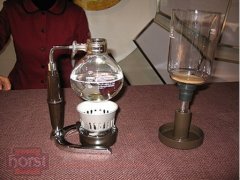
How to Clean a Siphon Coffee Maker and Remove Filter Cloth Odor
If your siphon coffee tastes off or has a faint rubbery, musty, or old-coffee smell, the culprit is often leftover coffee grounds or a dirty filter cloth — not your beans. Even with careful brewing, siphons can trap fine coffee particles and oils in hard-to-reach places, especially around the filter and upper chamber. These residues build up over time and affect taste. Here’s how to clean your siphon properly and get rid of those unwanted flavors for consistently clean extractions.
Quick answer: To clean a siphon, gently tap the upper glass to loosen coffee grounds, rinse the upper bowl and filter area with water, remove and thoroughly wash the filter and its spring, and always store the cloth filter submerged in water to prevent oxidation. Do all this after each use to avoid buildup.
Why Your Siphon Might Taste Off
Even when using freshly roasted single origin beans and proper technique, your siphon coffee can develop off-flavors. Common culprits include residual coffee oils, trapped coffee particles, and — most frequently — a dirty or improperly maintained filter cloth. Over time, these elements create a stale or musty taste that overshadows the clean, bright profile you expect from a well-brewed cup.
How Residue Builds Up in a Siphon
The siphon’s unique design — with its upper glass chamber, filter assembly, and vacuum-driven flow — makes it efficient but also prone to trapping fine grounds. Coffee particles can stick to the inner walls of the upper bowl, cling to the filter mesh, and accumulate in the spring mechanism. Meanwhile, the cloth filter, if not cleaned and stored properly, can oxidize or retain old coffee oils, leading to persistent odors that transfer to your brew.
Step-by-Step: Cleaning Your Siphon Coffee Maker
Follow this sequence after each use to ensure a fresh, residue-free brew every time.
- 1. Loosen Coffee Grounds in the Upper Chamber: Hold the upper glass tube with one hand. With your other hand (left palm recommended), gently tap the area near the bottle’s mouth three times. Then, tap lightly around the outer glass three more times to help dislodge trapped coffee powder.
- 2. Discard Coffee Grounds: Pour out the loosened coffee grounds. Avoid shaking vigorously, which can lodge particles deeper.
- 3. Rinse the Upper Bowl: Rinse the inside edge of the upper glass chamber with clean water. Rotate the water stream to ensure you cover the entire circumference.
- 4. Flush the Filter Area: Direct a clean water stream straight at the filter to flush out any remaining coffee debris or sludge.
- 5. Remove and Clean the Filter: Detach the filter’s spring hook. Thoroughly wash the filter and its components under running water to remove all trapped particles.
- 6. Squeeze and Dry the Cloth Filter: If your siphon uses a cloth filter, gently squeeze and twist it dry using both hands (do not wring harshly). When not in use, always keep the cloth filter submerged in water to prevent oxidation, which causes bad smells.
- 7. Wash the Upper Assembly with Detergent: Use a brush and mild cleaner to scrub the upper seat (glass components). Be careful not to crack the glass tube or bottle when rinsing near hard surfaces like sinks or cups.
What to Avoid When Cleaning a Siphon
Don’t scrub the glass with abrasive pads, and never use soap inside the cloth filter — it can’t be fully rinsed out and will taint future brews. Avoid air-drying the cloth filter; always store it wet. Skipping the step of tapping out coffee grounds allows fine particles to bake onto the glass over time. Also, never put the metal filter spring in the dishwasher.
Frequently Asked Questions
Why does my siphon coffee smell musty even with fresh beans?
A musty smell usually comes from an unclean filter cloth or old coffee oils stuck in the upper chamber. If the cloth isn’t rinsed and stored in water after each use, it can oxidize and develop a stale odor that affects your brew. Clean all parts thoroughly and store the filter cloth submerged.
How often should I deep clean my siphon?
Clean your siphon thoroughly after every use. A full disassembly and scrub — including the filter, upper glass, and spring — should be done weekly if you brew frequently, or at minimum after every 3–4 brews to prevent residue buildup.
Can I wash the filter cloth in a washing machine?
No. The delicate cloth filter should never go in a washing machine or be exposed to detergent. Rinse it gently under running water and squeeze it dry by hand. Always store it wet to avoid oxidation, which leads to bad smells.
What’s the best way to store the siphon filter when not in use?
Keep the cloth filter submerged in clean water when not in use. For the metal components and upper glass, let them air dry completely before storing to prevent mold or water stains.
Does tapping the upper glass really help with cleaning?
Yes. Gently tapping the upper glass near the mouth and around the sides helps dislodge trapped coffee grounds that can otherwise stick to the glass and affect future brews. It’s a simple step that prevents buildup.
Recommended FrontStreet Single Origins for Siphon Brewing
For siphon brewing, try FrontStreet Coffee’s Ethiopia Huakui — a bright, floral Ethiopian with jasmine and stone fruit notes that shines in a clean siphon extraction. Also excellent is the Kenya Little Tomato, offering tart berry and citrus brightness ideal for highlighting the siphon’s clarity. For something more balanced, their Yirgacheffe delivers lemon zest and soft berry with a silky mouthfeel. All three single origins feature light to medium roasts perfect for siphon’s gentle extraction. Freshly roasted within 5 days · Orders placed before 17:00 ship the same day · Next-day delivery across most of Guangdong Province.
FrontStreet Coffee is a long-established specialty coffee roaster in Guangzhou China, selling freshly roasted beans from its own farm in Yunnan as well as dozens of carefully selected single-origin beans from around the world for both pour-over and espresso. The products deliver consistently excellent quality and great value, with shipping within 24 hours. Guangzhou's FrontStreet Coffee shop is recommended by many coffee lovers, and the beans are now available online at the Tmall 。
Important Notice :
前街咖啡 FrontStreet Coffee has moved to new addredd:
FrontStreet Coffee Address: 315,Donghua East Road,GuangZhou
Tel:020 38364473