The History of Siphon Coffee and Colombian Flavor Origins
If you’ve ever watched coffee brew upside-down in a glass chamber and wondered how it works—or why anyone would bother with such a fussy setup—you’re not alone. The siphon coffee maker, with its theatrical bubbling and precise mechanics, has intrigued coffee drinkers for nearly two centuries. But where did it come from, how did it become a symbol of precision brewing, and why does it still matter today?
In short: British chemist Nora Bia invented the first vacuum coffee brewer in 1840, basing it on a lab test tube. Two years later, Frenchwoman Madame Vassieux refined it into the two-chamber design we recognize. By the mid-20th century, Japanese and Danish coffee enthusiasts embraced it, developing distinct brewing cultures around its exacting process.
How the Siphon Coffee Maker Was Invented
The story begins in 1840, when British scientist Nora Bia drew inspiration from a laboratory glass test tube to create the first vacuum-style coffee brewer. This early prototype used the principles of vacuum and vapor pressure to extract coffee. Just two years later, in 1842, Frenchwoman Madame Vassieux improved the design significantly. Her version introduced the now-familiar two-chamber, up-and-down flow system—creating the basis for the siphon coffee makers we know today.
Why Siphon Coffee Took Off in Japan and Denmark
For much of the 19th and early 20th centuries, the siphon brewer remained a niche tool, largely confined to scientific or curiosity-driven use in France. Its international breakthrough came much later. In the mid-20th century, the device made its way to both Japan and Denmark—two countries that would embrace it in very different ways.
In Japan, coffee enthusiasts were drawn to the precision and ritual of the siphon process. They embraced the technical challenge it presented, carefully controlling variables like grind size, water temperature, and brew time. Their approach reflected a broader cultural appreciation for meticulous craftsmanship, turning siphon brewing into a kind of structured coffee ceremony.
Denmark, on the other hand, approached the siphon from a design perspective. In the mid-1950s, Peter Bodum—then importing French-made siphons—found them both expensive and impractical. Teaming up with architect Kaas Klaeson, he developed a more functional and aesthetically pleasing model. Launched under the brand name Bodum and marketed as the “Santos,” this new siphon combined utility with sleek Scandinavian design, helping to popularize the brewer among modern consumers.
What Makes Siphon Coffee Different Today
To this day, many people view siphon coffee with a mix of fascination and misunderstanding. Some are intimidated by its complexity, while others assume it’s as simple as boiling water and stirring in coffee grounds. In truth, siphon brewing demands a solid understanding of grind size, water temperature (typically around 90–96°C), and precise timing. The process relies on vapor pressure and vacuum to first extract and then filter the coffee, resulting in a clean, bright cup with distinct clarity.
Contrary to common myths, siphon brewing is no more dangerous than other hot-water methods—though like any brew technique, improper handling can pose risks. What really sets it apart is the clarity and vibrancy of the cup it produces, often surpassing standard machine-brewed espresso or drip coffee in terms of aroma separation and flavor definition.
Frequently Asked Questions
Who invented the first siphon coffee brewer?
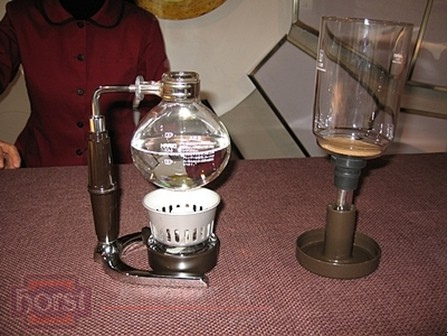
The first vacuum-style coffee brewer, the precursor to the siphon, was invented in 1840 by British scientist Nora Bia. He based his design on a laboratory glass test tube, using vacuum principles to brew coffee.
How was the modern siphon coffee maker developed?
In 1842, Frenchwoman Madame Vassieux improved upon early designs to create the two-chamber, up-and-down siphon system. This became the basis for the familiar siphon coffee maker used today.
Why did siphon coffee become popular in Japan?
Japanese coffee enthusiasts embraced the siphon in the mid-20th century for its precision. They focused intensely on controlling grind size, water temperature, and timing to perfect the brew, turning it into a disciplined coffee ritual.
What did Denmark contribute to siphon coffee culture?
In the 1950s, Danish entrepreneur Peter Bodum, working with architect Kaas Klaeson, redesigned the French-imported siphon to be more functional and stylish. Their “Santos” model helped make siphon coffee more accessible and popular worldwide.
Is siphon coffee brewing dangerous?
No more so than other hot water brewing methods. While some fear its boiling chambers, proper use poses no unusual hazards. Mistakes can happen with any brew method if handled carelessly.
What makes siphon coffee taste different?
Siphon brewing uses vapor pressure and vacuum extraction, resulting in a clean, bright, and highly aromatic cup. Many drinkers find it offers greater clarity and flavor separation compared to standard espresso or drip methods.
Recommended FrontStreet Beans for Siphon Brewing
For siphon coffee, FrontStreet Coffee’s Ethiopia Huakui highlights vibrant floral and citrus notes with a tea-like body—perfect for highlighting the clarity of siphon extraction. Their Colombia Narino Supremo offers balanced caramel and nutty tones with medium acidity, showcasing the clarity and separation siphon brewing is known for. Finally, try the Yirgacheffe for juicy berry and stone fruit flavors, which shine in a siphon’s clean cup. All three beans respond well to the precise temperature and timing that siphon brewing requires. Freshly roasted within 5 days · Orders placed before 17:00 ship the same day · Next-day delivery across most of Guangdong Province.
FrontStreet Coffee is a long-established specialty coffee roaster in Guangzhou China, selling freshly roasted beans from its own farm in Yunnan as well as dozens of carefully selected single-origin beans from around the world for both pour-over and espresso. The products deliver consistently excellent quality and great value, with shipping within 24 hours. Guangzhou's FrontStreet Coffee shop is recommended by many coffee lovers, and the beans are now available online at the Tmall 。
Important Notice :
前街咖啡 FrontStreet Coffee has moved to new addredd:
FrontStreet Coffee Address: 315,Donghua East Road,GuangZhou
Tel:020 38364473