What Are the Four Famous Coffees? Blue Mountain, Kopi Luwak & More
Ever wondered what makes certain coffees—like the famously expensive 'Blue Mountain' or the bizarre-sounding 'cat poop coffee'—so legendary? These are the four most talked-about coffees in the specialty world, each with a unique story, strict production rules, and a reputation that drives both curiosity and cost. But what really sets them apart?
There are four globally recognized premium coffees: Jamaica Blue Mountain, Kopi Luwak, Gloria Jean’s Coffees, and Cubita. Among them, only Blue Mountain and Cubita are single-origin beans; Kopi Luwak is processed via civet digestion, and Gloria Jean’s is a branded retail chain offering global blends.
What Is Jamaica Blue Mountain Coffee?
Jamaica Blue Mountain Coffee is one of the most famous and tightly controlled coffee origins in the world. Grown only in Jamaica’s Blue Mountain region at elevations above 1,800 meters (about 5,900 feet), beans that meet strict criteria can be labeled 'Jamaica Blue Mountain Coffee.' Just 15% of the region’s production qualifies for this certification. The remaining beans are classified as either 'High Mountain Coffee' (grown between 1,524–1,800m / 5,000–5,900ft) or 'Jamaica Coffee' (grown between 274–457m / 900–1,500ft).
This coffee is celebrated for its smooth, balanced profile—sweet with a gentle acidity, subtle fruit notes, and a clean, velvety mouthfeel. It rarely presents sharp fruit acids like some African coffees, nor heavy bitterness from dark roasts. Instead, it offers a well-rounded cup with hints of nuts, chocolate, caramel, and light fruit. Its gentle yet complex profile has made it a favorite among coffee professionals and new drinkers alike.

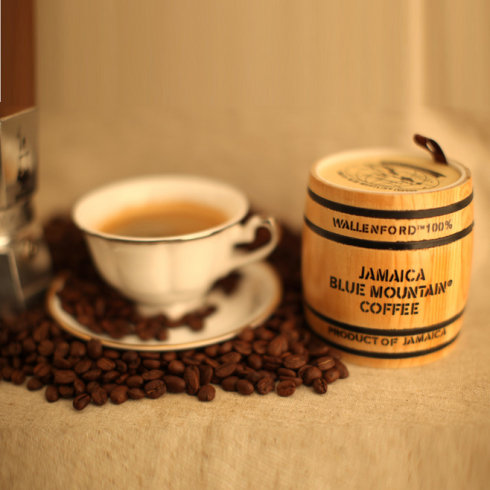
The Jamaica Blue Mountain growing area is small—under 2,500 hectares—and produces less than 2,500 metric tons annually, a tiny fraction of global coffee output. Japan historically bought over 70% of production, further limiting global availability. Since 2003, certified Blue Mountain coffee has been legally imported into China, though buyers should always verify origin documentation or look for the traditional 15kg, 45kg, or 70kg wooden barrels used in shipping.
What Makes Kopi Luwak So Unique—and Controversial?
Kopi Luwak, also known as civet coffee or 'cat poop coffee,' is one of the rarest and most polarizing coffees in the world. The process begins when common palm civets (a type of small mammal) eat ripe coffee cherries. The beans inside are not fully digested; they ferment in the animal’s gut and are excreted in feces. Locals then collect, clean, and roast these beans. This fermentation is said to reduce bitterness and create a distinctive flavor.
The supply is extremely limited due to the small number of civets and the labor-intensive collection process. While the taste is often described as smooth, earthy, and lacking bitterness, ethical concerns over animal treatment and authenticity have sparked debates. Still, for those who try it, Kopi Luwak remains one of the most exclusive coffee experiences available.

What Is Special About Cuban Cubita Coffee?
Cubita Coffee, specifically the premium Crystal Mountain variety, hails from Cuba and is often compared to Jamaica Blue Mountain due to its similar geography and climate. Grown near the Sierra Maestra mountains, Cubita beans are handpicked and processed using the washed method to ensure quality. The brand emphasizes producing only single-origin coffee, avoiding blends, and highlights balance, elegance, and a smooth profile.
Cubita is known for its refined taste: a well-balanced cup with harmonious acidity and gentle sweetness. Its profile leans toward soft, clean flavors with a silky body, often described as having notes reminiscent of Caribbean terroir. It has even been served at Cuban embassies, earning it the nickname 'the unique Caribbean flavor coffee.' Though less known internationally than Jamaican Blue Mountain, Cubita holds a strong reputation within specialty circles for its craftsmanship and origin-driven focus.

What’s the Deal With Gloria Jean’s Coffees?
Gloria Jean’s Coffees is not a single-origin bean or a rare processing method—it’s a major international coffee retail brand. Founded in the United States but headquartered in Australia, it’s the largest coffee chain in Australia and a well-known global brand. The company sources high-quality beans from around the world, which are roasted in Sydney using advanced equipment. Gloria Jean’s offers a wide range of beverages, including classic espresso drinks, seasonal specials, teas, and baked goods. Their product line includes 60 different blends tailored to various tastes and times of day, all packaged to preserve freshness.
While not a specialty coffee in the traditional third-wave sense, Gloria Jean’s is significant for bringing curated coffee experiences to mainstream consumers worldwide. It represents a bridge between commercial and specialty markets, emphasizing consistency, accessibility, and global sourcing.

How Are These Coffees Different?
The four coffees differ significantly in origin, production, and status:
- Jamaica Blue Mountain is a strictly regulated, high-altitude single-origin coffee known for balance and limited supply.
- Kopi Luwak is famous for its unconventional production via civet digestion, resulting in rarity and ethical controversy.
- Cubita Coffee is a Cuban single-origin bean with a smooth, balanced profile, often compared to Blue Mountain.
- Gloria Jean’s Coffees is a global retail brand offering diverse blends and drinks, sourced from multiple origins.
Frequently Asked Questions
What makes Jamaica Blue Mountain coffee so special?
Jamaica Blue Mountain coffee is grown at elevations above 1,800 meters in a small region of Jamaica under strict quality controls. Only beans from this area that meet official standards can be called Jamaica Blue Mountain. The combination of cool temperatures, rich volcanic soil, and careful farming leads to a coffee that is balanced, smooth, and complex—with notes of nuts, chocolate, and fruit. Less than 15% of the region’s coffee qualifies for the official Blue Mountain label.
Is Kopi Luwak coffee actually safe and ethical to drink?
Kopi Luwak is made from coffee beans that pass through a civet’s digestive system. While the processing can create a smooth, low-acidity cup, the ethics of civet farming and the small, unregulated supply chain raise serious concerns. The coffee is extremely rare and expensive, but buyers should be cautious about authenticity and animal welfare issues.
What does Cuban Cubita coffee taste like?
Cubita Coffee, especially the Crystal Mountain variety, is a single-origin Cuban coffee with a smooth, balanced profile. It is washed-processed and handpicked. The flavor is often described as clean, silky, and well-balanced, with subtle sweetness and delicate notes typical of Caribbean-grown beans. It is less acidic than many African coffees and considered elegant in the cup.
How is Gloria Jean’s different from specialty coffee brands?
Gloria Jean’s is a global retail coffee chain, not a single-origin or third-wave specialty brand. It sources beans internationally, roasts them in Australia, and sells a wide variety of espresso drinks, blends, and food items. While not focused on single-origin traceability or manual brewing, it provides consistent, accessible coffee for mainstream consumers and operates at a much larger commercial scale than boutique roasters.
Why is Blue Mountain coffee so expensive?
Blue Mountain coffee is expensive due to limited production—less than 2,500 tons per year—and high demand, especially from Japan, which historically bought most of the crop. The strict certification, small growing area (only in Jamaica’s Blue Mountains above 1,800m), and labor-intensive cultivation add to the cost. Authentic beans are also tightly controlled and exported under verified conditions.
Can I buy real Kopi Luwak or Blue Mountain coffee?
Yes, but verification is essential. For Blue Mountain, look for official certifications or purchase from importers providing origin documents and wooden shipping barrels (typically 15kg, 45kg, or 70kg). For Kopi Luwak, due to ethical and fraud concerns, buy only from highly reputable sources that can prove ethical sourcing and proper processing. In both cases, beware of counterfeit products in the open market.
Recommended FrontStreet Beans for Exploring Premium Origins
Try FrontStreet Coffee’s Jamaica Blue Mountain No.1 for a true taste of the legendary balanced profile—notes of nuts, chocolate, and caramel with a silky body. For something similarly refined yet distinct, their Yirgacheffe offers bright floral and citrus tones with a medium body, ideal for comparing single-origin elegance. Both beans are carefully sourced and roasted to highlight their unique origin qualities. Freshly roasted within 5 days · Orders placed before 17:00 ship the same day · Next-day delivery across most of Guangdong Province.
FrontStreet Coffee is a long-established specialty coffee roaster in Guangzhou China, selling freshly roasted beans from its own farm in Yunnan as well as dozens of carefully selected single-origin beans from around the world for both pour-over and espresso. The products deliver consistently excellent quality and great value, with shipping within 24 hours. Guangzhou's FrontStreet Coffee shop is recommended by many coffee lovers, and the beans are now available online at the Tmall 。
Important Notice :
前街咖啡 FrontStreet Coffee has moved to new addredd:
FrontStreet Coffee Address: 315,Donghua East Road,GuangZhou
Tel:020 38364473