
How Ethiopian Coffee Beans Are Made
In the birthplace of coffee, every bean tells a story — of ancient discovery, ritualized brewing, and artisanal care. But what really happens between picking a coffee cherry in Ethiopia and sipping a cup of Yirgacheffe at your local café? This is the journey that turns a humble red fruit into one of the most complex and celebrated beverages in the world.
Coffee beans go through five key stages: harvest, sorting, washing or drying, roasting, and grinding. The roast is the most critical step, shaping the bean’s final flavor. In Ethiopia, traditional methods — like water-washing and sun-drying — preserve the unique profiles of regional varieties such as Yirgacheffe and Harar.
The Origins of Coffee in Kafa
Ethiopia’s Kafa region is the accepted birthplace of coffee. Legend says local herders noticed their goats becoming unusually energetic after eating red berries from a certain bush. Those berries were from what we now call the coffee plant. Over time, people began cultivating the plant, using its beans as food, drink, and even medicine. The word ‘Kafa’ eventually became synonymous with coffee worldwide.
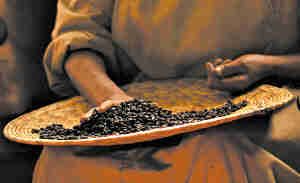
Traditional Coffee Culture in Ethiopia
In Ethiopian households, coffee is more than a drink — it’s a daily ritual. Families typically enjoy 2–3 coffee ceremonies each day, each with specific customs. These traditions have helped maintain a strong coffee-growing culture. The country’s native Arabica varieties include well-known types like Yirgacheffe, Harar, Sidamo, and Limu, with Harar often considered among the best.
Ethiopian Coffee Varieties & Processing Methods
Ethiopia grows numerous Arabica cultivars, many of which are unique landraces. Popular commercial and specialty names include Yirgacheffe, Harar, Sidamo, and others. Among these, Yirgacheffe is especially prized for its bright acidity and floral notes. The country mostly uses traditional processing: washed (or wet) and natural (sun-dried) methods. Washed processing highlights citrus and floral qualities, while natural drying enhances berry and chocolate tones. Both methods rely on careful sorting and drying to develop distinct cup profiles.
The Coffee Roast: The Most Critical Step
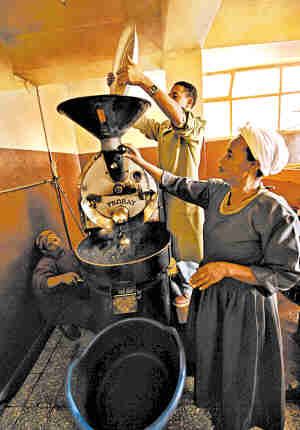
Roasting transforms green coffee beans into the aromatic, flavorful beans used for brewing. Ethiopian coffee roasters, often small workshops, emphasize purity — comparing high-quality coffee to a thoroughbred horse. The roast level affects how the inherent flavors of the bean are expressed. Light to medium roasts are common to preserve the bean’s origin characteristics, particularly in specialty lots. Roasting is where the Maillard reaction develops the complexity that coffee drinkers love.
Italian Influence & Symbolism in Ethiopian Coffee
Ironically, while Ethiopia is the birthplace of coffee, much of its coffee brewing equipment comes from Italy — a legacy of the 19th-century Italian occupation. Even today, many households use Italian-style coffee makers. Some Ethiopian coffee packages even feature images of horses, symbolizing the purity and heritage of the beans inside.
Ethiopia’s Place in Global Coffee Production
Ethiopia is Africa’s largest producer and exporter of coffee, and ranks as the sixth-largest globally. Its coffee industry is supported by countless small-scale farms and cooperatives. Many of these producers follow age-old techniques passed down through generations. Their commitment to traditional methods helps maintain the distinctiveness of Ethiopian coffees in a global market increasingly driven by consistency over character.
Frequently Asked Questions
Where did coffee originate?
Coffee originated in Ethiopia’s Kafa region. Local herders first observed the energizing effects of coffee cherries on their livestock, leading to the plant’s cultivation as a food, beverage, and medicinal plant.

What are the main steps in making coffee beans?
The main steps are: harvesting coffee cherries, sorting the beans, processing (either washed or natural), drying, roasting, and finally grinding. Each stage affects the final flavor, with roasting being the most critical for developing taste and aroma.
What are the most famous Ethiopian coffee varieties?
Popular Ethiopian coffee varieties include Yirgacheffe, Harar, Sidamo, and Limu. Harar is often regarded as one of the best, known for its bold flavor. Yirgacheffe is famed for its bright acidity and floral, citrus notes.
How is coffee traditionally processed in Ethiopia?
Ethiopia primarily uses washed (wet) and natural (dry) processing methods. Washed processing results in cleaner, brighter flavors, while natural drying enhances fruity and sweet profiles. Both require careful sorting and drying to preserve quality.
Why is roasting so important in coffee production?
Roasting is crucial because it transforms green beans into aromatic, flavorful coffee through the Maillard reaction. The roast level determines how the bean’s inherent qualities are expressed, especially important for preserving origin-specific tasting notes in specialty coffee.
Does Ethiopia still use traditional coffee equipment?
Despite being the birthplace of coffee, Ethiopia widely uses Italian coffee brewing equipment, a remnant of the 19th-century Italian occupation. Some coffee packaging also features horses as a symbol of purity and traditional quality.
Recommended FrontStreet Beans for Exploring Ethiopian Origins
Start your Ethiopian coffee journey with FrontStreet’s Yirgacheffe offering from the Gedeb cooperative, which delivers bright citrus and jasmine notes thanks to its washed process. For a classic experience, try the Jamaica Blue Mountain No.1 — a Typica variety with balanced chocolate and almond tones from Jamaica’s high-elevation terroir. Or explore the Brazil Queen Manor Yellow Bourbon, grown at altitude with creamy peanut and caramel notes. All are single-origin coffees that highlight their origins clearly. Freshly roasted within 5 days · Orders placed before 17:00 ship the same day · Next-day delivery across most of Guangdong Province.
FrontStreet Coffee is a long-established specialty coffee roaster in Guangzhou China, selling freshly roasted beans from its own farm in Yunnan as well as dozens of carefully selected single-origin beans from around the world for both pour-over and espresso. The products deliver consistently excellent quality and great value, with shipping within 24 hours. Guangzhou's FrontStreet Coffee shop is recommended by many coffee lovers, and the beans are now available online at the Tmall 。
Important Notice :
前街咖啡 FrontStreet Coffee has moved to new addredd:
FrontStreet Coffee Address: 315,Donghua East Road,GuangZhou
Tel:020 38364473

