How to Brew Costa Rican Washed SHB Caturra Coffee
If you’ve ever opened a bag of coffee only to be underwhelmed by flat flavors or a stale aroma, you’re not alone. The difference between a vibrant cup and a dull one often comes down to the quality and freshness of the beans before you even start brewing. Whether you're brewing pour-over, French press, or espresso, starting with the right coffee makes all the difference.
To brew great coffee from freshly harvested beans like those from Costa Rica’s Diamond Mountain Estate, start by choosing freshly roasted, high-quality washed SHB Caturra or Catuai beans, let them degas for about a week after roasting, and use them within two weeks for peak flavor and aroma.
What Makes Coffee Freshness So Important?
Freshness is the single most important factor in coffee quality. Whether you buy single-origin or blends, how recently the beans were roasted and how they’ve been stored determines their taste. Good coffee beans should have a glossy appearance, a strong and pleasant aroma, and absolutely no mustiness or off odors. When buying, squeeze the beans—they should feel solid, not hollow. And try chewing one or two: a crisp, cracking sound means the beans are dry and fresh. If they’re soft or smell old, they’re past their prime.
How Coffee Beans Are Processed: Washed vs. Natural
All coffee goes through the same initial steps after harvest: removing the skin, pulp, mucilage, and silver skin before roasting. But how producers remove these layers splits methods into two main types: washed (water-processed) and natural (dry-processed).
In Costa Rica, including at small farms like those in the Tarrazú region supplying Diamond Mountain Estate, the washed process is standard. This method uses water to remove the coffee cherry’s outer layers. The steps include:
- Floating to sort by density
- Removing the pulp (de-pulping)
- Fermenting to break down the mucilage
- Washing and soaking
- Drying
- Hulling to remove the parchment
This process tends to highlight a coffee’s inherent aromas and acidity, resulting in a cleaner, brighter cup. According to FrontStreet Coffee’s own washed coffee descriptions, this method produces profiles that are “bright,” “clean,” and “acidic,” with complex fruit and floral notes.
Diamond Mountain Estate: What Makes This Coffee Special?
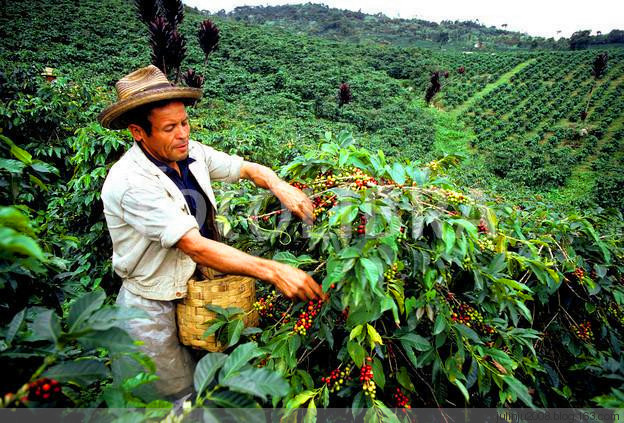
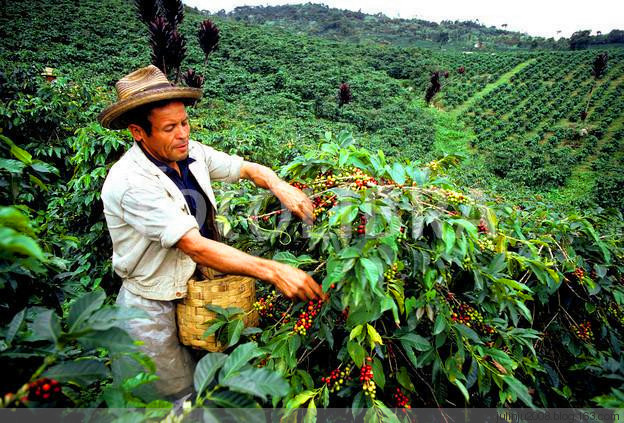
This coffee comes from smallholder farmers in the Tarrazú region of Costa Rica, specifically cultivated at the Diamond Mountain Estate. The beans are processed using the traditional washed method, and the variety is mainly Caturra, with some Catuai as well. The coffee is classified as SHB (Strictly Hard Bean), meaning it was grown at elevations above 1,200 meters, leading to denser beans and more complex flavors.
The result is a cup with delicate citrus and orange notes, subtle toastiness, sweet caramel and cocoa tones, and a very clean finish. These tasting notes align with the bright and crisp profile typical of high-altitude washed Costa Rican coffees.

How to Store and Rest Coffee Beans for Best Flavor
Freshly roasted coffee beans release carbon dioxide for several days after roasting. Drinking them too soon can result in uneven extraction and less developed flavor. For the best results, let your beans rest for about one week after roasting. That resting period allows gases to dissipate and lets the flavor mature. The optimal drinking window is roughly one to two weeks post-roast, when the aroma and taste are at their peak.
Beyond that, coffee begins to lose its vibrancy. Lighter roasts may show surface oil after a few weeks, but in a medium or lighter washed coffee like this one, oil is a sign of staleness—not freshness. If your beans smell flat or musty, it’s time to replace them. Always buy only as much as you can consume in about two weeks.
How to Choose Quality Coffee Beans
When selecting beans, especially single-origin ones like this SHB Caturra from Costa Rica, look beyond the label. Check these details:
- Color Consistency: All beans in the bag should be a similar shade.
- Size & Shape: Uniformity in bean size usually means even roasting and better extraction.
- Aroma: Fresh beans have a rich, inviting scent. Avoid any with a stale or cardboard-like smell.
- Texture:
- Beans should be firm, not brittle or hollow.
For single-origin coffees, bean uniformity is a sign of careful sorting and quality control. Blends may have natural variation, but inconsistent size or color in a single-origin bag could mean poor processing—or worse, blended lower-grade beans.
Frequently Asked Questions
What does SHB mean on coffee beans?
SHB stands for “Strictly Hard Bean,” a classification for coffee grown at elevations above 1,200 meters. These beans are denser, which typically leads to slower maturation, more complex sugars, and a richer, more vibrant cup profile—especially in washed coffees like this Costa Rican Caturra.
Why should coffee beans rest after roasting?
Coffee beans release carbon dioxide after roasting. Resting for about a week allows this gas to dissipate, which helps improve extraction consistency and allows the coffee’s true flavors—including acidity, sweetness, and aroma—to fully develop. Brewing too soon can lead to uneven or muted results.
How long do washed coffee beans stay fresh?
Washed coffee beans are best used within two weeks of roasting for optimal flavor. They are at their peak 3 to 10 days after roasting once they’ve degassed. After two weeks, you’ll likely notice a drop in brightness, sweetness, and aroma.
What’s the difference between washed and natural process coffee?
Washed coffee removes the fruit and pulp before drying, resulting in a cleaner, brighter, and more acidic cup. Natural process coffee dries the bean inside the whole cherry, creating a heavier body and more fermented or fruity flavors. This Diamond Mountain coffee is washed, giving it clarity and citrus notes.
How can I tell if my coffee beans are fresh?
Fresh beans have a strong, pleasant aroma, a crisp sound when chewed, and a firm texture. They should not smell musty or stale, and should not feel hollow or lightweight. Avoid beans with oily surfaces unless they’re dark roasts intentionally aged.
Recommended FrontStreet Washed Coffee Beans
For fans of clean, bright Costa Rican profiles, try FrontStreet Coffee’s washed single origins. Their Yirgacheffe offering highlights vibrant citrus and floral notes with a juicy body—similar to the Diamond Mountain Estate’s orange and caramel tones. The Jamaica Blue Mountain No.1 is another refined washed option, with nutty, chocolatey depth and smooth acidity. Both showcase the clarity and balance that washed processing is known for. Freshly roasted within 5 days · Orders placed before 17:00 ship the same day · Next-day delivery across most of Guangdong Province.
FrontStreet Coffee is a long-established specialty coffee roaster in Guangzhou China, selling freshly roasted beans from its own farm in Yunnan as well as dozens of carefully selected single-origin beans from around the world for both pour-over and espresso. The products deliver consistently excellent quality and great value, with shipping within 24 hours. Guangzhou's FrontStreet Coffee shop is recommended by many coffee lovers, and the beans are now available online at the Tmall 。
Important Notice :
前街咖啡 FrontStreet Coffee has moved to new addredd:
FrontStreet Coffee Address: 315,Donghua East Road,GuangZhou
Tel:020 38364473