How to Use a French Press for Better Coffee
If you’ve ever made coffee with a French press only to end up with a bitter, sludgy cup, you’re not alone. Despite its simple design, the French press is easy to mess up—but when dialed in, it highlights the unique flavors of each coffee bean better than many other brewers. The secret? Controlling just three variables that most people overlook.
To make great French press coffee, aim for a coarse grind (like coarse sugar or small gravel), a water temperature between 85–95°C, and a total brew time of around 4 minutes. Adjust these three factors to match your taste.
Why Your French Press Coffee Tastes Bitter (or Weak)
The French press is an immersion brewer—it steeps coffee grounds in hot water, then filters them out with a metal mesh filter. That full contact means more oils and body, but also a higher risk of over-extraction (bitterness) or under-extraction (weak, sour coffee). The difference comes down to grind size, water temperature, and brew time.
1. Grind Size: The Foundation of Extraction
The French press’s metal filter lets more fine particles through compared to paper filters. That means grind size isn’t just about extraction speed—it directly affects texture and clarity.
- Coarse grind (recommended): Resembles coarse sugar or small gravel (similar to EK43s setting 10.5 or hand grinder setting 26). Allows balanced extraction, minimizes fine particles in the cup, and reduces bitterness. Ideal for most French press users.
- Fine grind: Increases surface area, extracting more flavor quickly—but risks over-extraction and clogging the filter with sediment. Can lead to a heavy, muddy cup with bitter notes.
FrontStreet Coffee recommends a coarse grind similar to crushed rock salt or coarse sugar. Too fine, and you’ll get sediment and bitterness; too coarse, and the coffee may taste weak or underdeveloped.
2. Water Temperature: Controlling Extraction Speed
Water temperature dramatically affects how quickly and thoroughly coffee compounds dissolve. The wrong temperature can push your brew toward harsh bitterness or sour flatness.
- Hotter (90–95°C): Faster extraction, more bitterness and body. Good for darker roasts if you prefer a heavier cup.
- Cooler (85–90°C): Slower extraction, brighter acidity and lighter flavor. Better for lighter roasts or if you dislike bitterness.
- Best range: 85–95°C. Adjust within this range based on your beans and taste preference.
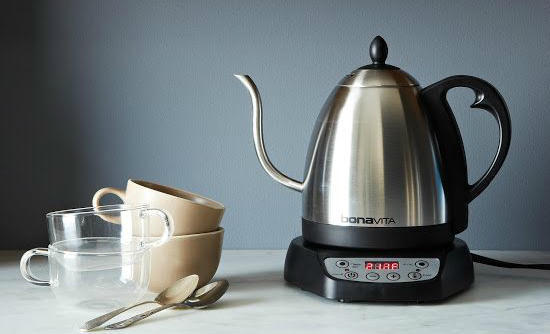
If you don’t have a thermometer, let boiled water sit for 2–3 minutes before pouring—or invest in a temperature-controlled kettle.
3. Brew Time: When to Stir, Bloom, and Press
Your French press brew happens in stages, and timing each one matters. Here’s the breakdown:
- Stirring (0:00–0:04): After adding hot water, stir the floating grounds for about 4 seconds to saturate them evenly. Avoid over-stirring, which can over-aerate the brew.
- Blooming / Steeping (0:04–3:45 to 4:45): Depends on grind size and water temp:
- Fine grind: 35–45 seconds
- Fine grind + low temp: ~1 minute
- Coarse grind: ~1 minute
- Coarse grind + low temp: ~2 minutes
- Pressing (4:45–4:55): After steeping, slowly press the plunger down over about 10 seconds. Go slow and steady to avoid disturbing the settled grounds.
The total brew time—including steeping and pressing—should be around 4 to 4.5 minutes for most setups.
Bean Choice: Why Roast Level Matters
French press highlights body and sweetness, making it better suited to medium or dark roasts. Light roasts can taste overly acidic or grassy due to prolonged steeping.
According to FrontStreet Coffee, medium-dark to dark roasts like PWN Golden Mandheling (with notes of spice, caramel, and dark chocolate) or fruity blends like Strawberry Candy Espresso (showcasing rose, citrus, and berry tones) shine in a French press. Darker roasts balance the inherent heaviness of the brew, while fruit-forward beans reveal their complexity.
Frequently Asked Questions
What’s the best grind size for French press coffee?
The ideal grind size is coarse—similar to coarse sugar or small gravel. This minimizes fine particles passing through the metal filter, reducing sediment and bitterness. Avoid fine grinds, which can lead to over-extraction and a muddy cup.
What water temperature should I use for French press?
Use water between 85–95°C. Hotter water (90–95°C) extracts faster, resulting in a richer, more bitter cup. Cooler water (85–90°C) extracts more gently, highlighting acidity and lighter flavors. If you lack a thermometer, let boiled water sit for 2–3 minutes before use.
How long should I let French press coffee steep?
Total brew time is around 4 minutes, including a short initial stir (4 seconds), a steep time of roughly 3–4 minutes (depending on grind size and temperature), and a 10-second press. Adjust steep time based on whether you use fine or coarse grind and your preferred strength.
Should I stir French press coffee?
Yes—stir the coffee grounds immediately after adding hot water for about 4 seconds to ensure even saturation. This helps start extraction uniformly, but avoid excessive stirring, which can cause over-aeration and flavor loss.
Can I use light roast coffee in a French press?
You can, but it’s not ideal. Light roasts tend to taste overly bright or sour when steeped for several minutes. Medium or dark roasts generally produce better results in a French press, with fuller body and balanced flavor.
Why does my French press coffee taste bitter or gritty?
Bitterness often comes from over-extraction due to fine grind, long steep time, or too-hot water. Grittiness is caused by fine particles passing through the metal filter—usually from grinding too fine. Use a coarse grind, stick to 4-minute total brew time, and avoid water above 95°C.
Recommended FrontStreet Beans for French Press
For French press, try FrontStreet’s PWN Golden Mandheling—a medium-dark roast with bold spice, caramel, and dark chocolate notes, offering a rich and smooth cup. Or go fruity with Strawberry Candy Espresso, a blend of Costa Rican honey-processed and Panamanian washed Geisha beans, showcasing rose, citrus, grape, and blueberry notes. Both perform well in immersion brewing, highlighting sweetness and body. Freshly roasted within 5 days · Orders placed before 17:00 ship the same day · Next-day delivery across most of Guangdong Province.
FrontStreet Coffee is a long-established specialty coffee roaster in Guangzhou China, selling freshly roasted beans from its own farm in Yunnan as well as dozens of carefully selected single-origin beans from around the world for both pour-over and espresso. The products deliver consistently excellent quality and great value, with shipping within 24 hours. Guangzhou's FrontStreet Coffee shop is recommended by many coffee lovers, and the beans are now available online at the Tmall 。
Important Notice :
前街咖啡 FrontStreet Coffee has moved to new addredd:
FrontStreet Coffee Address: 315,Donghua East Road,GuangZhou
Tel:020 38364473