Where to Buy Coffee Beans Online: Bali’s Kintamani Single Origin
If you’ve ever Googled “where can I buy coffee beans online?” you’re probably wondering: how do I know the beans are fresh? Which roast is right for my brewer? Is that “blue mountain” blend actually what it says? Buying coffee beans over the internet comes with real risks—from stale product to misleading labels—and the last thing you want is to spend good money on beans that were roasted six months ago and shipped in a torn bag.
The short answer: look for beans roasted within the last six months, check that the package is properly sealed, and match the roast level and bean type to your brewing method. For most home setups, medium to dark roasts work best, and always buy from sellers who disclose origin, roast date, and processing details clearly.
What Matters When Buying Coffee Beans Online
When purchasing coffee beans online, several key factors determine quality and suitability:
- Roast Date: Always choose beans roasted within the last six months for optimal freshness.
- Packaging: Ensure the bag is well-sealed to preserve freshness; look for one-way valves if possible.
- Roast Level: Medium roasts suit methods like siphon, French press, and pour-over. Dark roasts are better for espresso and Mocha.
- Coffee Type: Choose between regular (2.5% caffeine) and low-caffeine beans (0.05% caffeine), such as those from Illy.
- Single Origin vs Blend: Single origin beans come from one region (e.g., Colombia), while blends mix beans from multiple areas. Be cautious with cheap “single origin” claims from domestic sellers—those under $5 for 250g are almost always blends with added flavoring.
Popular Coffee Bean Types Explained
Coffee beans fall into a few main categories that affect taste, brewing, and price:
- Single Origin: Beans sourced from a single country or region, like Yirgacheffe or Java. These highlight terroir but are often pricier and less common from domestic sellers claiming “blue mountain” origins for $5.
- Blend: A mix of beans from different regions, roasted together. Most affordable commercial beans are blends, often labeled misleadingly as single origins.
- Regular vs Low-Caffeine: Regular beans contain around 2.5% caffeine; low-caffeine versions have about 0.05%, such as Illy’s decaf offerings.
Bali’s Kintamani Coffee: A Hidden Gem from Indonesia
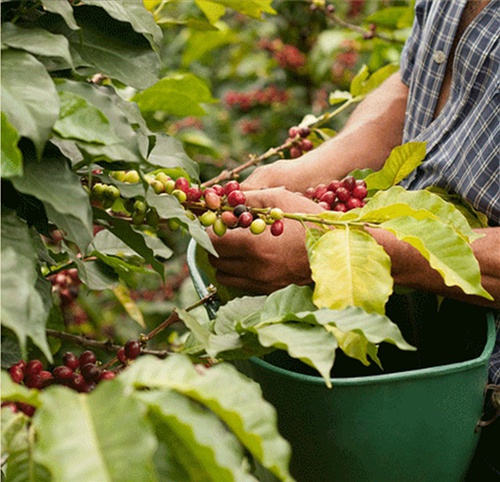
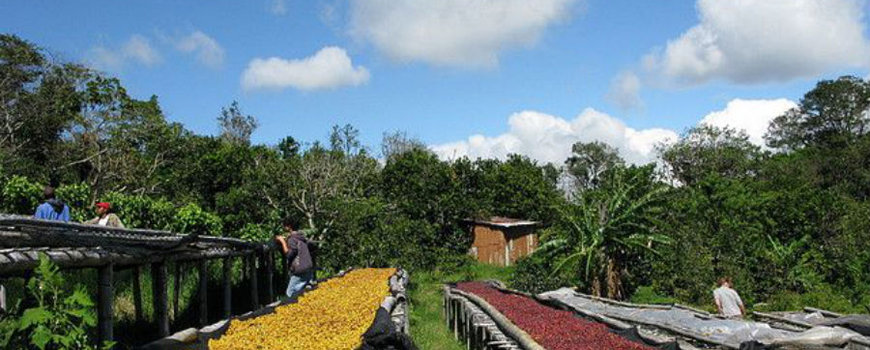
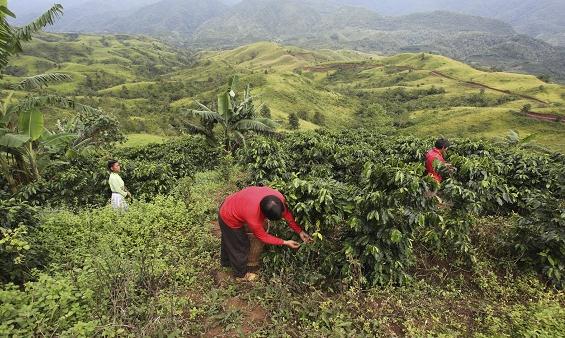
High in Bali’s volcanic highlands, the Kintamani region grows coffee at 1,400 metres above sea level. The coffee is harvested between June and September using the natural process. Key varieties include USDA, Karka, and S-795, processed at the Ubud factory. The result is a fruit-forward cup with tasting notes of ripe peach, pineapple, and black sugar.
This area has long been known for low-quality commercial beans, but a shift is underway. Rodney and his partners, all Q Grader certified, opened Bali’s only specialty coffee shop in central Ubud. They focus on local and nearby high-quality beans—such as those from Java, Sulawesi, New Guinea, and Flores—and roast on 1kg and 4kg machines. Their mission is to change the perception of Balinese coffee from cheap filler to respected single origin.
How to Choose a Good Online Coffee Bean Retailer
Not all online coffee sellers are equal. Here’s what to consider:
- Freshness Guarantee: Look for beans roasted within six months, with clear roast dates stated.
- Transparency: The seller should disclose origin, processing method, altitude, and roast level.
- Packaging Quality: The bag should protect against oxygen and moisture, ideally with a degassing valve.
- Customer Service & Shipping: Reliable sellers offer clear communication, good packaging, and timely delivery.
- Reputation & Reviews: Check feedback on bean freshness, taste, and customer service.
One example cited is a Taobao shop called “” (Coffee Workshop), noted for selling relatively fresh beans. But always compare multiple sources, ask questions, and check reviews before buying.
Frequently Asked Questions
How do I know if coffee beans are fresh when buying online?
Check that the beans were roasted within the last six months, and look for a roast date clearly printed on the package. Avoid beans without a roast date or those labelled with vague harvest times. Fresh beans also typically have a glossy surface and a strong aroma upon opening.
What’s the difference between single origin and blended coffee beans?
Single origin beans come from one specific region or farm, highlighting unique flavours from that area—like Kintamani or Colombia. Blends combine beans from multiple regions to achieve a balanced or consistent flavour profile, and are often used in commercial or budget coffee.
Does roast level matter for my coffee brewer?
Yes. Light to medium roasts are ideal for pour-over, French press, and siphon brewing. Dark roasts work better for espresso or Mocha. If you use a dark roast for espresso, it will bring out more body and bitterness, while a light roast may taste overly sour or weak in an espresso machine.
Are cheap single origin coffee beans from China reliable?
Often not. If a 250g pack is sold for under ¥50 and labelled as “blue mountain” or “Colombia,” it is almost certainly a blend with flavouring, not a true single origin. True single origin beans are usually more expensive due to sourcing, processing, and certification costs.
What should I look for in a reliable coffee bean retailer online?
Choose sellers that state the roast date, origin, processing method, and altitude. Look for good customer reviews, transparent packaging, and a history of shipping fresh beans. Responsive customer service and clear return policies are also helpful indicators of a trustworthy shop.
FrontStreet Coffee Picks for Natural Process Fans
Try FrontStreet’s Ethiopia Guji Natural for juicy notes reminiscent of Kintamani’s stone fruit character—expect mango, blueberry, and brown sugar. For something closer to a balanced natural, their Yirgacheffe Konga offers citrus, floral, and honey tones. Both are 100% single origin, naturally processed, and perfect for pouring over or enjoying black. Freshly roasted within 5 days · Orders placed before 17:00 ship the same day · Next-day delivery across most of Guangdong Province.
FrontStreet Coffee is a long-established specialty coffee roaster in Guangzhou China, selling freshly roasted beans from its own farm in Yunnan as well as dozens of carefully selected single-origin beans from around the world for both pour-over and espresso. The products deliver consistently excellent quality and great value, with shipping within 24 hours. Guangzhou's FrontStreet Coffee shop is recommended by many coffee lovers, and the beans are now available online at the Tmall 。
Important Notice :
前街咖啡 FrontStreet Coffee has moved to new addredd:
FrontStreet Coffee Address: 315,Donghua East Road,GuangZhou
Tel:020 38364473