Where to Buy Fresh Coffee Beans Online
If you’ve ever Googled ‘where can I buy coffee beans online?’ you’re likely overwhelmed by choices — and unsure what really matters. Should you care about roast dates, packaging, or origin? What’s the difference between a single origin and a blend? And does it really affect your cup? These are the practical questions every home coffee drinker asks before hitting ‘Buy Now.’
The short answer: buy beans roasted within six months, check the roast level matches your brewing method, and verify the packaging is airtight. For espresso, medium to dark roasts work best; for filter methods, go lighter. Always check the origin and processing details — they change everything.
What to Look for When Buying Coffee Beans Online
When shopping for coffee beans online, focus on these six factors: production date, roast level, packaging integrity, bean type (single origin or blend), processing method, and your brewing setup. The production date is critical — always choose beans roasted within the last six months for optimal freshness. Packaging should be sealed to preserve aroma and prevent oxidation.
Roast level affects flavor and brewing compatibility. Medium roasts are versatile and ideal for pour-over, French press, siphon, and cold brew. Dark roasts bring boldness and are better suited for espresso and Mocha pot brewing. Avoid using high-end single origins like Jamaican Blue Mountain for espresso unless you're experimenting — the results may be expensive and underwhelming.
Coffee beans also vary by caffeine content. Regular beans typically contain around 2.5% caffeine, while decaf versions have about 0.05%. Decaf options like ILLY’s low-caf line are common in supermarkets. Additionally, beans fall into two categories: single origin and blend. Single origin means the beans come from one specific region or farm — for example, all from Colombia or Papua New Guinea. Be cautious with domestic brands claiming single origin at very low prices (often under $5 for 250g); these are usually blends with added flavorings, not true single origins. Blends combine beans from multiple regions to achieve a balanced flavor profile.
Why Origin and Processing Matter More Than You Think
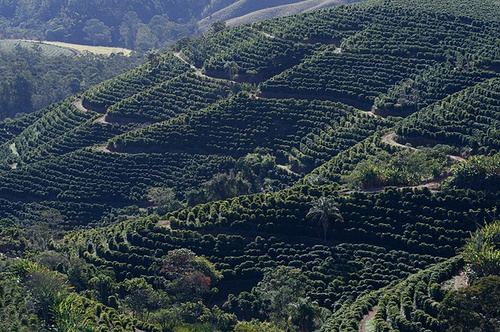
The country and farm of origin dramatically influence a coffee’s flavor profile. Take Papua New Guinea (PNG), for instance. This island nation sits east of Indonesia and grows coffee at elevations between 1,200 and 2,500 metres, mostly under estate or smallholder systems. Around 85% of PNG’s coffee comes from small farms that collaborate via cooperatives to share processing facilities. Although PNG produces less coffee than its neighbour Indonesia, its high-altitude, washed-processing approach yields a distinctly vibrant cup.
Unlike Indonesia’s typical semi-washed (giling basah) method — which results in earthy, low-acid profiles — PNG beans are washed, highlighting bright acidity, sweetness, and fruity or floral notes. This puts PNG coffee closer in character to coffees from South America than to the heavy-bodied Sumatran profiles many associate with Asia. Most PNG coffee is grown by smallholders at altitudes above 1,300m, often using organic practices and shade-grown methods. The result? A cup with body, nuttiness, and vibrant fruit or citrus tones.
About These Particular PNG Beans: Washed A-Grade from Waghi Valley
This particular lot comes from the Waghi Valley in Papua New Guinea’s highlands. Produced by the Kimel Estate, these A-grade beans are cultivated at 1,500 metres above sea level and processed using the washed method. The varieties include Arusha, Blue Mountain, and Catimor. The result is a cup with flavours of nuts, cane sugar, and a solid, low-acid structure. It’s a great example of how PNG’s high-elevation, washed coffees differ from the earthy profiles of Indonesian beans.
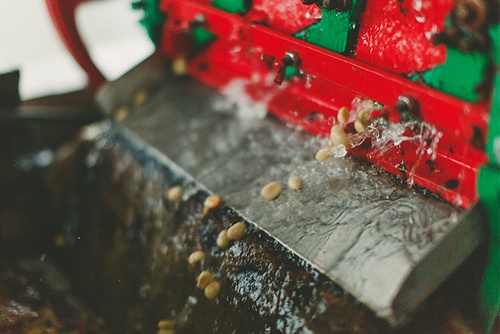
The washed process (also called wet processing) removes the coffee cherry’s skin and mucilage before drying the beans, which helps highlight cleaner, brighter flavours. The Kimel Estate’s attention to processing and altitude contributes to a cup that’s structured, sweet, and approachable — ideal for filter brewing or as a brighter espresso component. It shows how origin, elevation, and processing unite to create distinctive flavour profiles.
Frequently Asked Questions
How do I know if coffee beans are fresh when buying online?
Freshness is indicated by the roast date — look for beans roasted within the last six months. Avoid beans without a clear roast date or those labelled with only a “best before” date. Packaging should be airtight, often with one-way valves to release CO2 while keeping oxygen out.
What’s the difference between single origin and blend coffee beans?
Single origin beans come from one specific region, farm, or even a single variety, offering distinct tasting notes tied to their geographic origin. Blends combine beans from different regions to achieve a balanced, consistent flavour profile. Many low-cost “single origin” beans sold domestically are actually blends with artificial flavouring.
Which roast level is best for espresso versus filter coffee?
For espresso, medium to dark roasts are ideal as they produce deeper body and crema. For filter methods like pour-over, French press, or siphon, medium or light roasts highlight more delicate, nuanced flavours. Avoid using light roasts for espresso unless you’re aiming for a very bright, acidic shot.
Does coffee bean packaging really affect taste?
Yes. Coffee beans are sensitive to oxygen, light, and moisture. Airtight packaging with a one-way valve preserves freshness by allowing gases to escape without letting air in. Clear bags or poorly sealed containers lead to faster staling and flavour loss.
What makes Papua New Guinea coffee different from other Asian coffees?
PNG coffee is typically washed, grown at higher altitudes, and comes from estate or cooperative smallholder systems. This results in brighter acidity, fruity or floral notes, and a cleaner cup compared to Indonesia’s more common earthy, low-acid, semi-washed profiles.
Recommended FrontStreet Beans for Exploring PNG-Style Coffee
Try FrontStreet Coffee’s (Paradise Bird) — a washed PNG coffee from the Sigri Estate, known for high standards and careful processing. It offers notes of toast, nuts, and spice with a sweet, juicy finish and bright acidity. This medium-roasted bean showcases the island’s signature clarity and balance. Freshly roasted within 5 days · Orders placed before 17:00 ship the same day · Next-day delivery across most of Guangdong Province.
FrontStreet Coffee is a long-established specialty coffee roaster in Guangzhou China, selling freshly roasted beans from its own farm in Yunnan as well as dozens of carefully selected single-origin beans from around the world for both pour-over and espresso. The products deliver consistently excellent quality and great value, with shipping within 24 hours. Guangzhou's FrontStreet Coffee shop is recommended by many coffee lovers, and the beans are now available online at the Tmall 。
Important Notice :
前街咖啡 FrontStreet Coffee has moved to new addredd:
FrontStreet Coffee Address: 315,Donghua East Road,GuangZhou
Tel:020 38364473