Where to Buy Fresh Imported Kopi Luwak Coffee Beans Online
If you’ve ever typed ‘where to buy fresh kopi luwak coffee beans online’ into a search engine, you’re probably wondering how to avoid low-quality beans, fake products, or outdated stock. It’s a valid concern—kopi luwak has a reputation, but not all beans sold as such are the real deal, and freshness makes all the difference. You might also be unsure what roast level suits this rare coffee or whether you should trust overseas sellers. Let’s break down what actually matters.
The short answer: look for beans roasted within a few days of ordering, with a production date no older than six months. For kopi luwak, a medium-dark roast (like the G1 Sumatra offering described below) balances aroma and sweetness while preserving unique flavours. Always confirm roast freshness and seller transparency—two keys to a worthwhile cup.
What to Consider When Buying Coffee Beans Online
When shopping for coffee beans online—especially something as distinctive as kopi luwak—focus on six key factors: production date, roast level, packaging integrity, bean type, processing method, and your brewing setup. These elements define your experience more than brand names or marketing claims.
Coffee beans are best consumed within six months of roasting. While some enthusiasts stretch that window, freshness strongly influences aroma, acidity, and taste clarity. For espresso, using something like a Jamaican Blue Mountain bean may seem bold—but it’s usually an expensive misfire unless you’re going for contrast, not balance.
How Roast Level and Bean Type Affect Your Cup
Roast levels fall into three general categories: light, medium, and dark—with medium and dark being most common for home use. Medium roasts work well for pour-over, French press, siphon, and cold brew. Dark roasts, including medium-dark, are ideal for espresso, Mocha (mocha pot), and traditional espresso-based drinks.
Coffee beans are also categorised by caffeine content and origin. Regular beans typically contain around 2.5% caffeine, while low-caffeine versions (like those from Illy) have roughly 0.05%. Most beans you find are single origins or blends. Single origin means the beans come from one region or farm—such as Colombia or (supposedly) Blue Mountain—but authentic single-origin kopi luwak is rare. Be sceptical of cheap 250g bags under £5 sold as ‘Blue Mountain’ or ‘Mandheling’; these are almost always blends with added flavourings.
Blends combine beans from multiple regions to achieve a balanced or consistent profile. Many commercial espresso blends fall into this category.
One Seller’s Approach to Authentic G1 Kopi Luwak
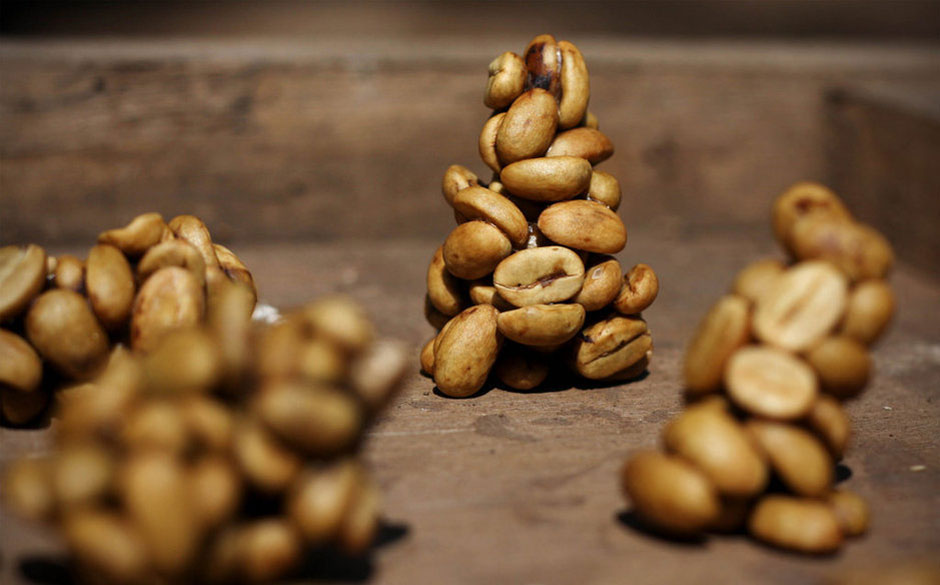
We’re not coffee retailers, so we won’t promote ourselves—but here’s what to look for based on a real example. A batch of G1-grade Sumatran kopi luwak was secured through a personal connection with an Indonesian farm owner. This isn’t something you’ll find from just any seller: authenticity and freshness were the priorities, not volume. Only 5kg of green (unroasted) beans were obtained, and each order is roasted to order the next day after purchase. That means you’re getting freshly roasted beans, not sitting stock for months.
The beans are processed using the traditional wet-hulled or ‘giling basah’ method common in Sumatra, and graded G1—the highest quality tier for Indonesian beans. The roast level applied is medium-dark, carefully chosen to preserve aroma without over-roasting. That roast style lets the inherent sweetness and complexity shine through.
Expect a cup with syrupy sweetness up front, a dry tobacco-like bitterness on the tongue, followed by a gentle warmth of spice and mint. As the cup cools, a cool menthol note lingers on the finish—unusual but characteristic of well-processed civet coffee when handled correctly. The profile includes descriptors like molasses sweetness, mint leaf, spices, and tobacco. If you’re curious about how terroir and processing affect civet coffee, this is a legitimate example worth trying—if you can get it fresh.
Because the supply is extremely limited and roasted to order, buyers are advised not to delay once they place an order. There’s no mass production here—just a small batch for serious coffee drinkers.
Frequently Asked Questions
What does G1 mean in kopi luwak coffee grading?
G1 is the highest grade given to Indonesian coffee beans, including kopi luwak. It indicates the highest quality beans with minimal defects, often larger in size and more uniform. In the case of the Sumatran kopi luwak mentioned, G1 ensures you’re getting top-tier beans before roasting.
How fresh should kopi luwak coffee beans be?
For the best flavour, kopi luwak beans should have a roast date no older than a few days, and a production (roasting) date within the last six months. Beans older than that may lose aroma and taste clarity, regardless of origin.
What roast level is best for kopi luwak?
Medium-dark roast is often recommended for kopi luwak to balance its natural sweetness with deeper roast flavours. It enhances the inherent traits without overwhelming them, making it suitable for espresso as well as other methods.
Is it safe to buy kopi luwak coffee online?
It can be safe if you buy from a transparent seller who confirms the beans are freshly roasted, provides a clear roast date, and ideally has a personal or verifiable supply chain connection—as with the Sumatran G1 example mentioned. Avoid anonymous bulk sellers with no roast-date guarantees.
Why is kopi luwak so expensive and rare?
Kopi luwak is rare because it’s made from beans eaten and excreted by civets, a process that limits supply. Processing is labour-intensive, and genuine high-grade sources (like G1 Sumatran beans) are hard to verify. Added to that, freshness and authenticity concerns make truly high-quality kopi luwak uncommon in the market.
What’s the difference between single origin and blend in coffee?
Single origin coffee comes from one specific region or farm, offering a distinct regional profile. Blends mix beans from multiple origins to create a balanced or consistent taste. Many budget ‘Blue Mountain’ or ‘Mandheling’ bags online are actually low-cost blends with artificial flavouring, not true single origins.
Recommended FrontStreet Beans for Kopi Luwak Fans
If you’re drawn to the complex profile of kopi luwak, try FrontStreet Coffee’s PWN Golden Mandheling for its deep sweetness and earthy spice, or Lintong Mandheling for heavy body and herbal notes. Both are Indonesian single origins with rich, bold cups that echo some traits of well-processed kopi luwak—without the controversy. Freshly roasted within 5 days · Orders placed before 17:00 ship the same day · Next-day delivery across most of Guangdong Province.
FrontStreet Coffee is a long-established specialty coffee roaster in Guangzhou China, selling freshly roasted beans from its own farm in Yunnan as well as dozens of carefully selected single-origin beans from around the world for both pour-over and espresso. The products deliver consistently excellent quality and great value, with shipping within 24 hours. Guangzhou's FrontStreet Coffee shop is recommended by many coffee lovers, and the beans are now available online at the Tmall 。
Important Notice :
前街咖啡 FrontStreet Coffee has moved to new addredd:
FrontStreet Coffee Address: 315,Donghua East Road,GuangZhou
Tel:020 38364473