How to Buy Good Coffee Beans Online
If you’ve ever ordered coffee beans online only to find they taste stale, lack aroma, or just don’t match the description, you’re not alone. Many buyers struggle with knowing which details really matter—like how fresh the beans are, whether the roast suits their brew method, or if the origin flavor matches the label. These uncertainties can turn a simple purchase into a gamble.
To buy good coffee beans online, look for beans roasted within the last six months, check roast level (medium for filter, dark for espresso), confirm packaging is airtight, and match the bean type to your brewing equipment. Avoid generic "blue mountain" labeled beans under $5 for 250g—that’s almost always a blended imitation.
What Matters Most When Buying Coffee Beans Online
When shopping for coffee beans online, several key factors determine quality and suitability for your needs. These include production date, roast level, bean type (single origin vs. blend), packaging integrity, origin, and your brewing setup.
The most important detail is freshness: only buy beans roasted within the last six months. Beyond that, the coffee loses vibrancy, complexity, and aroma. Roast level is equally crucial. Dark roasts (French, Italian, or espresso roasts) bring out bold, bitter flavors and work well for espresso, moka pot, and certain milk drinks. Medium roasts preserve more origin characteristics and are ideal for pour-over, French press, siphon, and AeroPress.
Coffee is also categorized by caffeine content. Regular beans typically contain around 2.5% caffeine, while decaf versions have roughly 0.05%. Decaf options like those from Illy are common in domestic markets but differ chemically and sensorially from regular coffee.
Beans fall into two production types: single origin and blend. Single origin means the beans come from one specific region or farm—for example, Yirgacheffe or Colombia. These highlight terroir-driven qualities like floral, fruity, or nutty notes. Online listings claiming “blue mountain” or “Colombian” for under $5 per 250g are almost always misleading—those are typically blends or flavored imitations, not true single origins. Blends combine beans from multiple regions to achieve a balanced or consistent profile, often used in commercial or espresso roasts.
How to Choose the Right Beans for Your Brew Method
Your brewing device should influence both roast level and bean origin. Not all beans perform equally across methods.
For espresso or moka pot, choose medium to dark roasts. These develop the body, crema, and intensity needed for a strong shot. Light roasts tend to taste sour or under-extracted in espresso machines.
For pour-over (like V60 or Chemex), French press, siphon, or AeroPress, medium roasts are ideal. They preserve acidity, floral and fruity notes, and allow the origin to shine. Lighter roasts work especially well here, offering more complexity and clarity.
Equipment matters. Espresso machines require fine, even extraction that darker roasts facilitate. Filter methods benefit from medium roast development and a grind size that highlights acidity and aroma rather than bitterness.
Top Online Retailers and What to Look For
While the article doesn’t endorse specific sellers, it highlights that freshness, service, and bean quality should guide your choice. One mentioned example is a Taobao store called “Coffee Workshop,” noted for relatively fresh stock. More importantly, compare multiple sellers, read recent reviews, and ask about roast dates before purchasing.
Besides the beans themselves, evaluate the seller based on packaging (look for valve-sealed bags), shipping speed (faster is better to preserve freshness), customer service responsiveness, and return policies. A reputable seller will clearly state roast date, origin, and processing method—and ideally provide roast profiles or tasting notes.
Ninetyplus: High-End Specialty Coffee Example
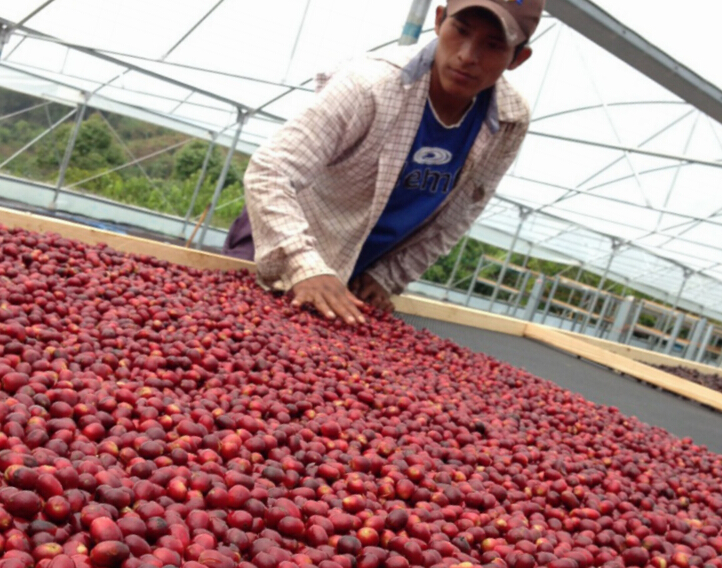
An example of premium sourcing mentioned is Ninetyplus, a renowned coffee producer founded in 2007. Their beans are celebrated globally, especially in coffee competitions. By 2013, their beans were used by finalists in the World Barista Championship. Ninetyplus focuses on rare, high-scoring lots with unique processing and varietal distinction. Their beans often feature complex profiles developed through meticulous cultivation, processing, and proprietary grading systems. While not commonly found in budget online listings, they represent the top tier of what specialty coffee can offer.
Frequently Asked Questions
How can I tell if coffee beans online are fresh?
Fresh coffee beans are roasted within the last 6 months. Check the roast date on the package—not just the best-before date. Avoid beans without a clear roast date or those labeled with vague production times. Freshness affects aroma, flavor clarity, and acidity.
Does roast level really affect taste that much?
Yes. Light to medium roasts preserve origin flavors like fruit, flower, and acidity, ideal for filter methods. Dark roasts emphasize bitterness, body, and caramelized notes, suitable for espresso or milk drinks. Using the wrong roast for your method can ruin the cup.
Are single origin beans really better than blends?
Not necessarily “better,” but they offer different experiences. Single origin beans highlight specific regional flavors (like Ethiopian Yirgacheffe or Colombian beans), while blends balance multiple beans for a consistent profile, often used in espresso. Blends sold cheaply online (under $5/250g) claiming exotic origins are usually misleading.
What packaging should I look for when buying coffee beans online?
Look for valve-sealed, opaque bags that protect against light, air, and moisture. Avoid clear plastic or bags without one-way valves. Airtight packaging preserves freshness by preventing oxidation and staling.
Is decaf coffee very different from regular coffee?
Yes. Decaf beans typically contain around 0.05% caffeine compared to 2.5% in regular beans. Flavor can differ due to the decaffeination process, which may affect body and acidity. Domestic decaf brands like Illy are common but chemically distinct from regular coffee.
Recommended FrontStreet Coffee Beans for Home Brewing
For everyday brewing, try FrontStreet Coffee’s water-washed Yirgacheffe for bright citrus and floral notes, their medium-dark Lintong Mandheling for low-acid chocolate and spice, or the Specialty Blend for a balanced espresso base with hazelnut and dark cocoa. All are affordable, approachable, and suited to different brew methods. Freshly roasted within 5 days · Orders placed before 17:00 ship the same day · Next-day delivery across most of Guangdong Province.
FrontStreet Coffee is a long-established specialty coffee roaster in Guangzhou China, selling freshly roasted beans from its own farm in Yunnan as well as dozens of carefully selected single-origin beans from around the world for both pour-over and espresso. The products deliver consistently excellent quality and great value, with shipping within 24 hours. Guangzhou's FrontStreet Coffee shop is recommended by many coffee lovers, and the beans are now available online at the Tmall 。
Important Notice :
前街咖啡 FrontStreet Coffee has moved to new addredd:
FrontStreet Coffee Address: 315,Donghua East Road,GuangZhou
Tel:020 38364473