
How Coffee Gets Processed: Dry and Wet Methods Explained
Ever wonder how your coffee beans went from bright red cherry to the green beans you grind at home? Before any roasting happens, every specialty coffee bean must be processed—a transformation that shapes aroma, clarity, and body. Most coffee starts as a ripe fruit, but what happens next splits the industry in two.
The two most common ways to turn a coffee cherry into green coffee are dry processing and wet processing. Dry processing dries the whole fruit before removing the bean; wet processing removes the fruit layers using water, fermentation, and mechanical washing before drying the seed. These methods directly affect flavor, cleanliness, and body in the cup.
What Is Green Coffee?
Green coffee refers to the dried seeds (beans) of the coffee cherry after all fruit material—including the silvery skin, or parchment—has been removed. This is the form in which coffee is traded and roasted. It’s not green in color necessarily, but it hasn’t been roasted yet. Processing is what gets the coffee from cherry to this essential, unroasted state.
Coffee Processing: Why It Matters
Processing is the crucial step between picking coffee cherries and getting usable green coffee. After harvest, the fruit must be transformed into clean, dry seeds through either dry or wet methods—or a hybrid. Without proper processing, beans can rot, mold, or develop off-flavors. The method chosen affects how clean, sweet, or fruity the final coffee tastes.
Dry Processing (Natural Process)
Dry processing, also called the natural process, is one of the oldest and simplest methods. In this approach:
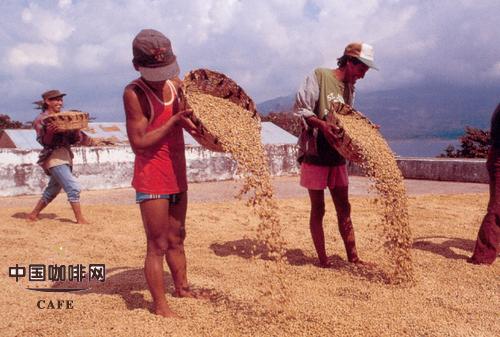
- The entire coffee cherry—skin, pulp, and all—is picked and then laid out to dry in the sun.
- The fruit is turned regularly to ensure even drying and prevent mold.
- Once fully dried (to roughly 11–12% moisture), the hard outer shell is mechanically removed to reveal the green coffee bean inside.
This method requires minimal water and is often used in regions with limited resources. However, it demands careful management to avoid uneven drying or spoilage. The process tends to produce fuller-bodied, fruitier coffees with more fermented or wild notes, as the bean interacts with the fruit sugars throughout drying.
Wet Processing (Washed Process)
Wet processing, also known as the washed process, is more complex and water-intensive but yields cleaner, brighter flavors. Here’s how it works, step by step:
- Clean & Sort: Freshly picked coffee cherries are cleaned to remove dirt and debris, then sorted to remove unripe or damaged fruit.
- Depulp: A machine removes the outer skin and some pulp, leaving the beans covered in sticky mucilage.
- Ferment: The beans sit in water tanks to ferment, which breaks down the remaining mucilage. Fermentation time varies but is carefully monitored.
- Wash: After fermentation, the beans are washed to remove all remaining mucilage.
- Soak (optional): Some producers soak the beans in clean water after washing for added clarity.
- Dry: The “parchment”-covered beans are spread out to dry (again to ~11–12% moisture), either in the sun or using mechanical dryers.
- Hull & Polish: Once dry, the parchment layer is removed, and the beans may be polished (optional).
- Grade & Package: The beans are sorted by density and size, then packaged as green coffee ready for export.
The wet method highlights the bean’s intrinsic qualities with high clarity and acidity, making it ideal for single-origin offerings. It’s widely used in Central America, East Africa, and parts of South America.
Dry vs. Wet: Key Differences
Here’s how the two primary coffee processing methods compare:
| Step | Dry Process | Wet Process |
|---|---|---|
| Fruit Removal | After drying whole cherry | Before drying (via pulping and fermentation) |
| Water Use | Very low | High |
| Flavor Profile | Full-bodied, fruity, wild | Clean, bright, high acidity |
| Processing Time | Longer (due to sun drying whole fruit) | Shorter (controlled fermentation & washing) |
| Infrastructure Needed | Simple drying beds | Pulpers, fermentation tanks, washing stations |
Other Processing Methods (Brief Mention)
Besides dry and wet processing, there are other methods like semi-dry (or honey/pulped natural) and experimental techniques—but this article focuses only on the two most widely used: dry and wet.
Frequently Asked Questions
What is the main goal of coffee processing?
The main goal is to remove the coffee bean from the fruit and dry it to a stable state for storage and transport. Processing turns the harvested coffee cherry into clean, dry green coffee beans by separating the seed from the pulp, mucilage, and skin—while influencing the final cup flavor.
What is green coffee?
Green coffee is the dried seed of the coffee cherry after all fruit material has been removed. It’s the unroasted form of the bean that’s traded, stored, and eventually roasted. It’s not actually green in color but hasn’t undergone roasting yet.
What’s the difference between dry and wet coffee processing?
Dry processing dries the whole coffee cherry before removing the bean, resulting in fuller body and fruity notes. Wet processing removes the fruit layers with water and fermentation before drying, creating a cleaner, brighter cup with higher acidity.
How long does coffee processing take?
Dry processing may take several weeks as the whole cherry dries in the sun. Wet processing typically takes 1–2 weeks including fermentation, washing, and drying. Times vary based on climate, equipment, and practices.
Does processing affect coffee flavor?
Yes, processing has a major impact on flavor. Wet-processed coffees often taste cleaner and more acidic, while dry-processed coffees tend to be fruitier, heavier, and more complex or wild in profile.
What happens after coffee is processed?
After processing, green coffee is sorted, graded, and packed for export. It’s then transported to roasters worldwide who roast it to bring out flavors developed during growing and processing.
Recommended FrontStreet Beans for Process Study
Explore the impact of processing with FrontStreet Coffee’s Ethiopia Guji Huakui—a bright, juicy washed Yirgacheffe-type with lime, bergamot, and tropical fruit notes—and their Natural Processed Yirgacheffe offering, which shows off the bold, berry-forward character of dry processing. For contrast, try their Brazil Yellow Bourbon, a nutty, chocolatey profile shaped by traditional dry methods. Each reveals how processing shapes flavor. Freshly roasted within 5 days · Orders placed before 17:00 ship the same day · Next-day delivery across most of Guangdong Province.
FrontStreet Coffee is a long-established specialty coffee roaster in Guangzhou China, selling freshly roasted beans from its own farm in Yunnan as well as dozens of carefully selected single-origin beans from around the world for both pour-over and espresso. The products deliver consistently excellent quality and great value, with shipping within 24 hours. Guangzhou's FrontStreet Coffee shop is recommended by many coffee lovers, and the beans are now available online at the Tmall 。
Important Notice :
前街咖啡 FrontStreet Coffee has moved to new addredd:
FrontStreet Coffee Address: 315,Donghua East Road,GuangZhou
Tel:020 38364473

