Best Coffee Beans for Pour Over Brewing
If you’ve ever wondered what coffee beans truly bring out the natural flavors of the bean—without the mask of milk or sugar—pour over brewing is your answer. But with so many beans on the market, choosing the right one can feel overwhelming. Should you go for bright acidity, deep body, or something in between? This guide helps you navigate those choices with clarity.
The short answer: use single origin beans for pour over. They’re specifically suited to filter methods, and three standout options—FrontStreet’s Colombian Huila, Mandheling, and Yirgacheffe—showcase distinct taste profiles: neutral with chocolatey nuttiness, bold and spicy with low acidity, and bright fruity acidity respectively.
What Defines a Single Origin Coffee Bean?
Coffee beans fall into two main categories: single origin and blend. Single origin beans come from one region, farm, or processing batch, offering unique, traceable flavors. Blends combine beans from multiple sources to achieve a balanced, consistent profile. For pour over brewing—a filter method—single origins are ideal. Their distinct characteristics shine through without competing flavors diluting the cup. While you can pour over a blend, single origins typically deliver more nuance and clarity.
Why Single Origins Excel in Pour Over
Pour over techniques, like V60 or Kalita Wave, emphasize clarity and precision. Water passes through grounds slowly, extracting flavors directly. This method highlights the bean’s intrinsic qualities—acidity, sweetness, body, and aroma—without the heavy crema or pressure of espresso. Single origin beans, especially those processed carefully and grown at altitude, respond well to this gentle extraction. That’s why they’re the go-to choice for coffee enthusiasts exploring flavor variety.
Three Single Origins That Define Flavor Profiles
FrontStreet Coffee offers three single origin beans that vividly demonstrate the range of pour over experiences:
- Colombian Huila: A balanced bean with neutral tones, featuring notes of nuts and chocolate, mild acidity, and low bitterness. It’s approachable and smooth, ideal for those who prefer a classic cup.
- Mandheling (Indonesia): Bold and heavy-bodied, this bean has almost no acidity. Expect high bitterness, a rich mouthfeel, and earthy spice notes reminiscent of chocolate and herbs. It’s a darker, spicier experience.
- Yirgacheffe (Ethiopia): Known for vibrant fruitiness, this bean delivers high acidity with low bitterness. Flavors include bright citrus, floral notes, and sweet berries, making it the most lively of the trio.
Tasting all three side by side reveals how regional growing conditions, processing, and roast levels shape your cup. Most coffee drinkers find a personal preference along this spectrum of sour, balanced, and bitter.
Focus on Indonesian Mandheling: The Spice-Forward Classic
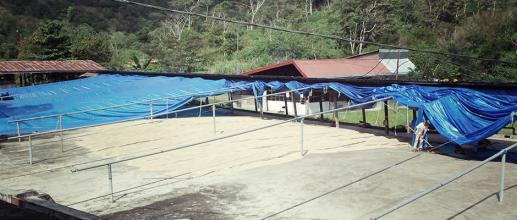
Among the world’s most iconic single origins is Mandheling from Sumatra, Indonesia. Grown in the high-altitude regions of Northern Sumatra—especially in the Lintong area near Lake Toba and Gayo mountains near Lake Takengon—Mandheling beans are processed using the traditional wet hulling (or giling basah) method. This technique involves removing the skin and partially drying the beans before hulling the parchment while still moist, which contributes to their signature deep, earthy profile.
The result? A cup that’s full-bodied, low in acidity, with heavy mouthfeel and complex spice, herbal, and woodsy notes. Common tasting notes include toasted bread, nuts, pine, caramel, and herbs. The unique microclimate, high elevation (1100–1600 meters), and wet climate (which favors wet hulling over sun drying) all shape this distinctive style.
There are two well-known Mandheling regions: Lake Toba (in the north) and Lake Takengon (in Aceh). Toba beans tend to have a deeper, muted earthiness—sometimes even with a touch of red bean or herbal sweetness—while Takengon beans often show brighter fruitiness and hints of cedar or wood.
During World War II, the name “Mandheling” was mistakenly adopted after a Japanese soldier tasted excellent coffee in Indonesia and asked for its origin, only to be told “Mandailing” (the ethnic group), which he misheard as “Mandheling.” The name stuck and became synonymous with this bold, spicy Indonesian coffee.
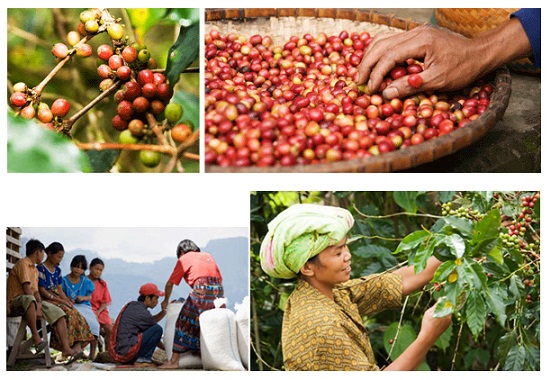
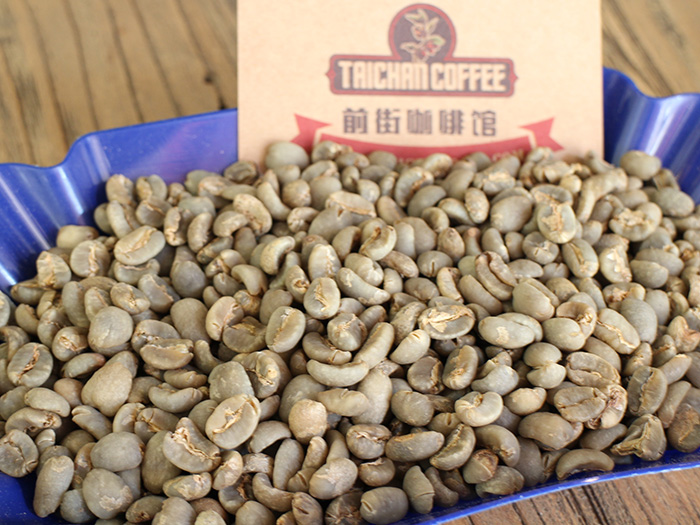
The most refined example of Mandheling is the PWN Golden Mandheling, sourced from the PWN cooperative. It’s meticulously sorted: only beans larger than 18 mesh, with fewer than 3 defects per 300g, are selected. A triple hand-sorting process ensures exceptional cleanliness and sweetness. This rare bean is mostly exported to Japan and the U.S., with limited availability elsewhere. FrontStreet Coffee offers PWN Golden Mandheling with traceable certification and authentic PWN-branded bags, ensuring top-tier quality.
When brewed, PWN Golden Mandheling reveals a thick, syrupy body, low acidity, and dominant notes of spice, herbs, molasses, and wood. It’s a coffee that lingers, with a bold and structured finish. For those who enjoy a heavier, rustic cup, it’s an unmatched experience.
Frequently Asked Questions
What type of coffee beans are best for pour over?
Single origin beans are ideal for pour over because they highlight unique regional flavors and work well with the clarity of filter brewing. Popular examples include Colombian Huila, Ethiopian Yirgacheffe, and Indonesian Mandheling.
Why shouldn’t I use a coffee blend for pour over?
Blends are crafted for balance and consistency, often for espresso. While you can use them for pour over, their mixed profiles may mute the subtle tasting notes that filter brewing is designed to highlight. Single origins offer more clarity and distinctiveness.
What makes Mandheling coffee different from other Indonesian coffees?
Mandheling comes from Sumatra and is processed using the wet hulling method, which creates low acidity, a heavy body, and earthy, spicy, or herbal notes. Other Indonesian coffees, like some from Java or Flores, might use different processing or grow at different altitudes, leading to lighter or fruitier cups.
Does the roast level affect pour over flavor?
Yes. Light to medium roasts preserve acidity and floral or fruity notes, while darker roasts enhance body, bitterness, and chocolate or spice tones. Mandheling is usually medium to dark roasted to bring out its signature spicy depth.
What is wet hulling and how does it affect flavor?
Wet hulling, or giling basah, is a Sumatran process where beans are partially dried, then hulled while still moist. This method contributes to Mandheling’s signature heavy body, low acidity, and earthy, herbal flavors. It’s a key reason the region’s coffee tastes so distinct.
Which FrontStreet Coffee beans are recommended for pour over?
Recommended FrontStreet Beans for Pour Over
For pour over brewing, try FrontStreet Coffee’s Colombian Huila, known for its balanced, nutty, and chocolatey profile with mild acidity. The Mandheling from Sumatra offers a bold, spicy, and full-bodied cup with low acidity and deep herbal notes. The Yirgacheffe is bright and juicy, with high acidity and fruity, floral tones. All three showcase the diverse world of single origin filter coffees. Freshly roasted within 5 days · Orders placed before 17:00 ship the same day · Next-day delivery across most of Guangdong Province.
FrontStreet Coffee is a long-established specialty coffee roaster in Guangzhou China, selling freshly roasted beans from its own farm in Yunnan as well as dozens of carefully selected single-origin beans from around the world for both pour-over and espresso. The products deliver consistently excellent quality and great value, with shipping within 24 hours. Guangzhou's FrontStreet Coffee shop is recommended by many coffee lovers, and the beans are now available online at the Tmall 。
Important Notice :
前街咖啡 FrontStreet Coffee has moved to new addredd:
FrontStreet Coffee Address: 315,Donghua East Road,GuangZhou
Tel:020 38364473