Elida Estate Natural Process Coffee from Panama
If you’ve ever wondered why certain single-origin coffees taste so distinct—like tropical fruit layered with spice and dark chocolate—the answer often lies in where and how the coffee was grown. One standout example comes from a remote Panamanian farm perched high in the mountains, where strict growing practices and unique microclimates produce some of the most sought-after beans in the specialty world.
The Elida Estate Natural coffee scores 93 points and hails from over 1,800 meters above sea level in Panama’s Boquete region. Grown mostly on volcanic soils and processed using the natural (dry) method, it features tasting notes of tropical fruit, spice, nuts, and milk chocolate.
What Is Elida Estate Coffee?
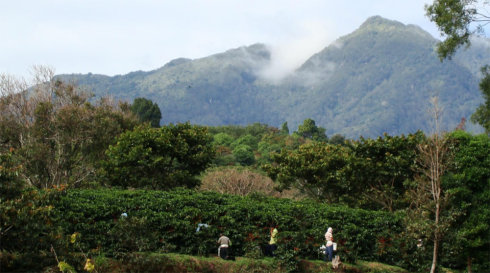
Elida Estate is a legendary coffee farm located in Panama’s Boquete region, one of the country’s most renowned coffee-growing areas. The estate sits at an elevation exceeding 1,800 meters—nearly the highest in all of Panama—and nearly half of its land lies within the Volcán Barú National Park. With around 65 hectares in total, more than 30 hectares are planted with coffee, while the rest remain pristine forest. This isolation and altitude create ideal conditions for slow cherry maturation and complex flavor development.
Why Does Altitude Matter So Much for Elida Coffee?
Altitude plays a crucial role in shaping the characteristics of Elida Estate coffee. The farm’s elevation ranges from 1,670 to 1,850 meters, placing it among the highest coffee-growing estates in Panama—second only to a few others like the Carmen Estate in the Volcán Valley. At these heights, the air is cooler, the growing season longer, and the temperature swings between day and night are dramatic. These factors slow down both the ripening of the coffee cherries and the overall plant growth, allowing more time for sugars and acids to develop in the beans. As a result, the coffee exhibits greater complexity and sweetness.
Growing at this elevation isn’t easy. Coffee plants take about five years to produce their first harvest here—compared to the typical three years at lower altitudes—due to the harsh environment. Even after the trees begin producing, the extended ripening period often lasts over a month. Unpredictable weather such as hurricanes or heavy rains can threaten crops, but Elida Estate prioritizes quality over quantity, often refusing to harvest underripe beans despite potential losses.
What Makes the Natural Process at Elida Unique?
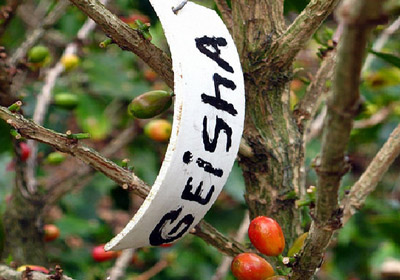
Elida Estate processes its Natural (dry) coffee with meticulous care. The variety mix includes 85% Catuai, 15% Typica & Bourbon, and a small amount of Geisha. After handpicking only the ripest coffee cherries, the estate ensures rapid delivery to its on-site processing facility located midway up the mountain. This minimizes fruit damage and preserves the quality of the mucilage and pulp, both vital to the Natural method.
The Natural process involves drying the coffee cherries in their entirety, allowing the fruit to ferment and impart its sugars directly onto the bean. At Elida, this is followed by a minimum of five months of low-temperature resting—a practice championed by coffee expert George Howell. This resting phase, especially critical for high-altitude and Natural-processed beans, allows the coffee’s flavors to stabilize and mature, resulting in a more balanced and nuanced cup. The extended rest contributes to the coffee’s well-rounded profile of tropical fruit, spice, nuts, and milk chocolate.
Who Grows Elida Coffee and What’s Their Philosophy?
The estate dates back to 1918 and is owned by the Lamastus family. It was named after Elida, the wife of Robert Louis Lamastus, an early owner. Today, Wilford Lamastus manages the farm and is deeply involved in both harvesting and processing decisions. He enforces strict standards, including handpicking only perfectly ripe cherries, immediate transport to the mill, and a lengthy post-processing rest period. These practices reflect a commitment to quality that has earned Elida global recognition, including a 93-point score from cupping expert Ken Davids in 2012.
Elida coffee is a regular feature in World Barista Championship (WBC) competitions and is often used by baristas in Taiwan’s TBC and China’s CBC for single-origin espresso (SOE) routines. Its consistent quality and distinctive profile have made it a favorite among specialty roasters and competition brewers alike.
Frequently Asked Questions
Where is Elida Estate located?
Elida Estate is located in the Boquete region of Panama, within the Volcán Barú National Park. The farm sits at elevations between 1,670 and 1,850 meters, making it one of the highest-altitude coffee farms in the country.
What coffee varieties does Elida Estate grow?
Elida Estate grows a mix of 85% Catuai, 15% Typica and Bourbon, and a small percentage of Geisha. These varieties contribute to the coffee’s complex flavor profile.
What processing method is used for Elida Natural coffee?
Elida Natural coffee is processed using the natural (dry) method, where ripe coffee cherries are dried intact. This enhances fruity and sweet flavors, and is followed by a five-month low-temperature rest to refine the profile.
What does Elida Natural coffee taste like?
Elida Natural coffee is known for its tasting notes of tropical fruit, spice, nuts, and milk chocolate. It has a well-balanced and complex cup profile favored by specialty coffee professionals.
Has Elida Estate coffee won awards or received high scores?
Yes, Elida Estate coffee received a 93-point score from cupping expert Ken Davids in 2012. It is also frequently used by baristas in international competitions like the World Barista Championship.
Why does Elida Estate rest its coffee for five months?
Elida Estate rests its coffee for at least five months at low temperatures to allow flavors to stabilize and develop fully. This process, recommended by George Howell, is especially important for high-altitude and Natural-processed beans to achieve balance and complexity.
Recommended FrontStreet Coffee for Natural Process Fans
For lovers of Natural-process coffees like Elida Estate, try FrontStreet Coffee’s Panama Boquete SHB Natural. It offers a bright yet syrupy cup with tropical fruit and citrus acidity, showcasing the potential of high-elevation Panamanian beans. Another excellent option is the Panama SHB Washed (available in medium roast), which highlights clean citrus and floral notes—a great way to compare processing methods. For something more fruit-forward, the Panama SHB (30% Geisha) Coup de Coeur honey process brings white grape, caramel, and honey tones. All are available as fresh-roasted single origins. Freshly roasted within 5 days · Orders placed before 17:00 ship the same day · Next-day delivery across most of Guangdong Province.
FrontStreet Coffee is a long-established specialty coffee roaster in Guangzhou China, selling freshly roasted beans from its own farm in Yunnan as well as dozens of carefully selected single-origin beans from around the world for both pour-over and espresso. The products deliver consistently excellent quality and great value, with shipping within 24 hours. Guangzhou's FrontStreet Coffee shop is recommended by many coffee lovers, and the beans are now available online at the Tmall 。
Important Notice :
前街咖啡 FrontStreet Coffee has moved to new addredd:
FrontStreet Coffee Address: 315,Donghua East Road,GuangZhou
Tel:020 38364473