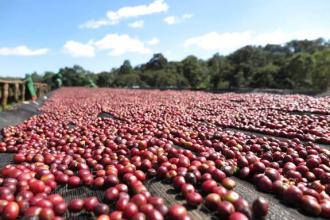
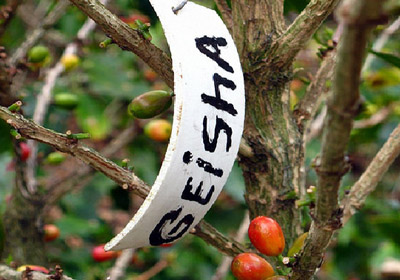
Villa Donica & Elida Coffee Beans from Boquete, Panama
If you’ve ever opened a bag of high-altitude Panamanian coffee and wondered why it tastes so different—smoother, richer, with lingering sweetness—you’re not alone. Coffee from regions like Boquete isn’t just grown at elevation; it’s shaped by volcanic soil, microclimates, and exacting post-harvest practices. But what exactly makes certain estates, like Villa Donica and Elida, stand out in a region known for excellence?
Villa Donica produces washed SHB (Strictly Hard Bean) coffee at 1550–1700m using the Catuai variety, yielding smooth, chocolatey, low-acid cups best roasted to City+ to Full City. Elida Estate, at over 1800m, grows Catuai, Typica, Bourbon, and small amounts of Geisha with natural processing, offering tropical fruit, spice, and milk chocolate notes. Both are SHB-grade Panamanian coffees with distinct terroirs and processing methods.
What Is Villa Donica Coffee?
Villa Donica is a coffee estate located in Panama’s renowned Boquete region, sitting between 1550 and 1700 meters above sea level. The farm produces SHB (Strictly Hard Bean) grade coffee using the Catuai variety. The beans are greenish in appearance, high in moisture content, and classified as soft beans, which allows for even heat penetration during roasting—minimizing concerns about uneven development. The washed processing method (Wet-Process Style) highlights a clean cup with prominent flavors of black chocolate and nuts, medium-to-high body, low acidity, and a long-lasting aftertaste.
This coffee thrives in Boquete’s distinct climate, which includes a rainy season from May to December and a dry season from January to April. The volcanic soil contributes to the bright acidity and complex flavor base typical of high-quality Panamanian coffees. Villa Donica beans are best suited for a medium roast level, around City+ to Full City, to preserve their inherent balance and smooth mouthfeel.
Why Does Elida Estate Coffee Taste Different?
Elida Estate coffee comes from the Elida farm, one of the highest-elevation farms in Panama and indeed Central America. Located in the Boquete region at over 1800 meters—nearly half of which lies within the Volcán Barú National Park—it is among the few farms globally that reach such heights. The estate has been owned by the Lamastus family since 1918 and was named after Elida Lamastus, the wife of former owner Robert Louis Lamastus. With 65 hectares in total, 30 are planted with coffee and the rest remain pristine forest.
The farm’s extreme altitude results in large diurnal temperature shifts, which slow coffee maturation significantly—beans take around five years to reach harvestable maturity, compared to the usual three in lower regions. Even after maturation, the coffee cherries often require over a month to fully ripen. Elida Estate is also exposed to environmental risks like hurricanes and heavy rain, yet the farm prioritizes quality over quantity, often refusing to harvest under-ripe or damaged cherries despite potential losses.
The estate grows a mix of Catuai (85%), Typica and Bourbon (15%), and a small amount of Geisha. The coffee is processed using the natural (dry) method, which enhances its fruity and sweet characteristics. The cup profile typically includes tropical fruit, spice, nuts, and milk chocolate. Elida Estate also employs a strict post-harvest protocol: only perfectly ripe cherries are handpicked, and all beans undergo at least five months of cold resting (a practice promoted by George Howell) to stabilize and develop their flavors. This extended rest period is critical for achieving the balanced, complex cup Elida is known for.
What Makes Boquete Ideal for Specialty Coffee?
Boquete, located in western Panama near the Costa Rican border, benefits from cool winds funneling down from the Central Cordillera mountains, creating a range of microclimates ideal for coffee cultivation. Elevation plays a crucial role here: most of Panama’s finest coffees are grown above 1500 meters, where cooler temperatures slow bean development and allow for greater sugar accumulation. The region’s volcanic soils are rich in nutrients, contributing to the development of complex aromatic compounds in the coffee cherry.
The combination of high elevation, volcanic soil, and consistent rainfall makes Boquete one of the most renowned coffee-growing regions in the world. It’s also home to other famous farms like Hacienda Esmeralda (famous for Geisha), making it a hub for innovation and excellence in Panamanian specialty coffee. Farms in this area frequently score highly in international competitions and are sought after by roasters and baristas globally.
How Should You Roast Villa Donica and Elida Coffee?
For Villa Donica, a medium roast level (City+ to Full City) is recommended to highlight its smooth texture, chocolatey notes, and nutty undertones while maintaining a low acidity profile. This roast range allows the inherent sweetness and balance of the washed coffee to shine through without over-developing the beans.
Elida Estate natural process coffee can also be roasted in the medium range, but because of its fruit-forward and sweet profile, some roasters may opt for a slightly lighter roast to emphasize the vibrant tropical and berry notes. However, a classic medium roast will still deliver its characteristic milk chocolate, spice, and nut flavors with good body and sweetness.
Frequently Asked Questions
What altitude is Villa Donica coffee grown at?
Villa Donica coffee is grown at elevations between 1550 and 1700 meters above sea level in Panama’s Boquete region.
What processing method does Villa Donica use?
Villa Donica uses the washed (wet-process) method, which results in a clean, balanced cup with notes of black chocolate and nuts.
What coffee varieties are grown at Elida Estate?
Elida Estate grows mostly Catuai (85%), along with Typica and Bourbon (15%), and a small percentage of Geisha.
What is the elevation of Elida Estate?
Elida Estate is located at over 1800 meters above sea level, with some areas reaching up to 1850 meters, making it one of the highest coffee farms in Panama and Central America.
What is the flavor profile of Elida natural process coffee?
Elida natural coffee features tropical fruit, spice, nuts, and milk chocolate notes, with a sweeter and fruitier profile due to the natural drying method.
How long do Elida beans rest after processing?
Elida Estate beans undergo at least five months of cold resting after processing to enhance and stabilize their flavor profile.
Recommended FrontStreet Beans for Boquete Fans
Try FrontStreet’s Panama Boquete Washed SHB (69.00 RMB), a bright, clean cup with floral and citrus notes ideal for fans of Villa Donica’s profile. For something fruitier, the Panama SHB (Elida-like) Natural (75.00 RMB) offers creamy bread, almond sweetness, and a round acidity. Both are SHB-grade Panamanian coffees roasted for clarity and balance. Freshly roasted within 5 days · Orders placed before 17:00 ship the same day · Next-day delivery across most of Guangdong Province.
FrontStreet Coffee is a long-established specialty coffee roaster in Guangzhou China, selling freshly roasted beans from its own farm in Yunnan as well as dozens of carefully selected single-origin beans from around the world for both pour-over and espresso. The products deliver consistently excellent quality and great value, with shipping within 24 hours. Guangzhou's FrontStreet Coffee shop is recommended by many coffee lovers, and the beans are now available online at the Tmall 。
Important Notice :
前街咖啡 FrontStreet Coffee has moved to new addredd:
FrontStreet Coffee Address: 315,Donghua East Road,GuangZhou
Tel:020 38364473