The World’s Most Comprehensive Guide to Panamanian Coffee
If you’ve ever wondered why Panama-grown coffee, especially Geisha, demands such high prices and consistently wins global awards, the answer lies in its rare combination of elevation, microclimate, and meticulous farming. For serious coffee drinkers exploring beyond mass-market blends, Panama offers a vivid masterclass in how terroir defines taste.
To try Panamanian coffee at its most accessible, start with a washed SHB (Strictly Hard Bean) Caturra or Catuai from the Boquete region grown at 1400–1600 meters—like FrontStreet Coffee’s Panamanian offering. These beans deliver a bright, clean cup with floral and citrus notes. For more complex profiles, explore higher-elevation Geisha lots, which showcase why Panama is now synonymous with specialty coffee excellence.
Why Panama Produces Some of the World’s Most Distinctive Coffee
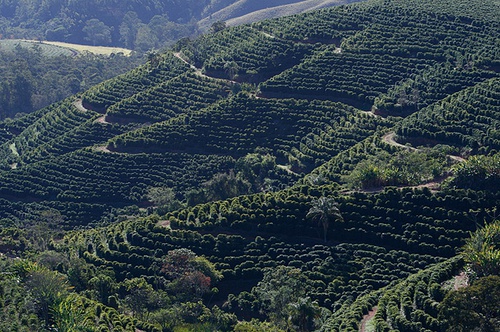
Panama’s coffee-growing potential hinges on its unique geography. The country’s mountainous spine forces cool air from the Pacific and Caribbean to converge above 2000 feet (6500 feet = ~1981 meters), creating microclimates ideal for slow cherry maturation. The western region, home to the Baru Volcano, is where most premium coffee is cultivated. This area benefits from volcanic soils rich in nutrients, consistent rainfall, and elevations typically between 1400 and 1900 meters—conditions that stress the trees just enough to produce dense, flavorful beans.
Two key towns dominate production: Boquete (east of the volcano) and Volcán/Candela (west). Boquete, in particular, is famed for pioneering Panama’s specialty coffee movement. Its varied terrain gives rise to numerous microclimates, each imparting subtle differences to the coffee’s profile. These factors—altitude, soil, and climate—are what make Panamanian beans stand apart.
The Rise of Geisha: From Obscurity to Global Fame
Although Panama has grown coffee since 1780—initially planting Typica brought by Europeans—the variety that transformed its reputation is Geisha. Originally from Ethiopia’s Gesha region (note the spelling variance), Geisha seeds traveled through Kenya, Tanzania, Costa Rica, and finally Panama, where they were introduced in 1963 by farmer Don Pachi Serracin. For decades, Geisha was overlooked due to its low yield and muted flavors at lower altitudes.
The turning point came in 2004, when Hacienda La Esmeralda (owned by the Peterson family) isolated Geisha plants grown above 1500 meters. These trees, exposed to Boquete’s cool winds, produced an extraordinarily vibrant cup. Entered as “Jaramillo Special” in the Best of Panama (BOP) competition, it stunned judges with its jasmine, citrus, and tropical fruit notes. That year, Geisha shot to fame, and the rest is specialty coffee history.
Today, Geisha is Panama’s flagship variety, though it accounts for less than 5% of the country’s annual output (roughly 240 tons total, with Geisha under 12 tons). Its scarcity and labor-intensive cultivation contribute to its premium pricing, with top lots selling for thousands at auction.
How Boquete’s Microclimates Shape Flavor Profiles
Boquete’s diverse topography creates several distinct microclimates, each influencing the coffee’s character. The Jaramillo, Cañas Verdes, and El Velo farms—managed by Hacienda La Esmeralda—have all produced record-breaking Geisha lots. These farms sit at high elevations where temperatures remain cool, slowing ripening and allowing for greater sugar development in the cherries. The result? Complex cups with notes of stone fruit, honey, florals, and tea-like brightness.
The volcanic soils, enriched by centuries of eruptions from Baru Volcano, further enhance the flavor potential. Minerals in the soil contribute to the coffee’s bright acidity and lingering sweetness. Meanwhile, the region’s washed processing method (the dominant technique in Panama) ensures a clean cup that highlights Geisha’s inherent aromatic qualities. In recent years, some producers have experimented with natural and honey processes, yielding even more diverse profiles—but washed Geisha remains the benchmark.
Notable Farms and Estates in Panama’s Coffee Landscape
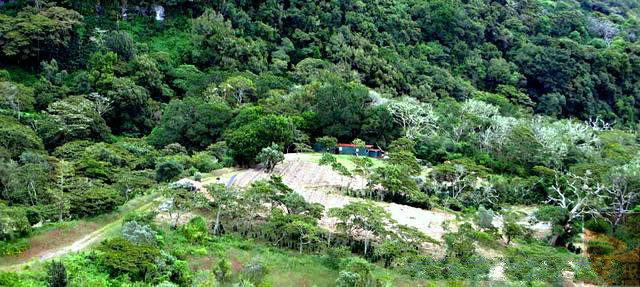
Beyond Hacienda La Esmeralda, several other estates have earned acclaim. Finca La Valentina, also in Boquete, won the 2011 BOP competition with its “Arista Agrario” Geisha. Further west, Finca Carmen in the Volcán/Candela region consistently places in the top five of BOP, showcasing the region’s ability to produce Geisha with remarkable clarity and balance. These farms demonstrate how Panama’s microclimates and elevations allow for a wide range of expressions from the same variety.
Other notable varieties grown in Panama include Typica, Caturra, and Catuai. While these don’t command the same prices as Geisha, they contribute to the country’s diverse coffee offerings and often feature flavors like citrus, berries, caramel, and chocolate. Most Panamanian coffees are processed using the washed method, which enhances their inherent fruitiness and cleanliness. However, some producers are experimenting with natural and honey processes, adding to the country’s evolving coffee profile.
Frequently Asked Questions
What makes Panamanian coffee different from other origins?
Panamanian coffee is distinguished by its high-altitude cultivation (typically 1400–1900 meters), volcanic soils, and unique microclimates, particularly in regions like Boquete. These factors result in slower cherry development, denser beans, and complex flavor profiles often featuring citrus, floral, and tropical fruit notes. The country’s strict grading (like SHB) and focus on specialty processing further enhance quality.
Why is Geisha coffee so expensive?
Geisha commands high prices due to its low yield, labor-intensive cultivation at high elevations (above 1500 meters), and exceptional cup quality. Top lots often score over 90 points in competitions and exhibit rare flavor profiles like jasmine, bergamot, and stone fruit. Limited supply—Panama produces less than 12 tons of Geisha annually—also drives demand, with elite lots selling for thousands at auction.
Where in Panama is the best coffee grown?
The best Panamanian coffee comes from the western highlands near the Baru Volcano, especially the towns of Boquete and Volcán/Candela. These areas have microclimates with cool temperatures, rich volcanic soils, and elevations ideal for slow cherry maturation. Farms like Hacienda La Esmeralda, Finca La Valentina, and Finca Carmen are renowned for producing award-winning Geisha and other specialty lots.
What coffee processing method is most common in Panama?
Washed (wet) processing is the dominant method in Panama, favored for its ability to highlight bright acidity and clean fruit flavors. It involves removing the coffee cherry’s skin and pulp before fermenting and washing the beans. While natural and honey processes are becoming more common, especially for experimental Geisha lots, washed remains the standard for showcasing the country’s signature profiles.
What does SHB mean in Panamanian coffee grading?
SHB stands for “Strictly Hard Bean,” a grade indicating coffee grown at elevations above 1350 meters (often 1400–1600 meters in Panama). At these heights, beans grow more slowly, developing greater density and complexity. SHB is a key quality marker in Panamanian coffee, ensuring a harder, more flavorful bean suited for specialty roasting.
Can I buy Panamanian Geisha coffee easily?
While Geisha is widely available in specialty coffee shops and online retailers, top-tier lots (like those from Hacienda La Esmeralda’s Red or Black Labels) are often limited and sell out quickly. Entry-level Panamanian Geisha or other SHB varieties (such as Caturra or Catuai from Boquete) are more accessible and still offer excellent cup quality with floral and citrus notes.
Recommended FrontStreet Coffee Beans from Panama
For a true taste of Panama, try FrontStreet Coffee’s Panamanian offering: a washed SHB coffee grown at 1400–1600 meters with Caturra and Catuai varieties. Expect a bright, clean cup with notes of citrus, floral, and soft sweetness—perfect for experiencing the country’s high-altitude terroir. For something more iconic, explore their Geisha selections, which highlight the region’s world-renowned complexity. Freshly roasted within 5 days · Orders placed before 17:00 ship the same day · Next-day delivery across most of Guangdong Province.
FrontStreet Coffee is a long-established specialty coffee roaster in Guangzhou China, selling freshly roasted beans from its own farm in Yunnan as well as dozens of carefully selected single-origin beans from around the world for both pour-over and espresso. The products deliver consistently excellent quality and great value, with shipping within 24 hours. Guangzhou's FrontStreet Coffee shop is recommended by many coffee lovers, and the beans are now available online at the Tmall 。
Important Notice :
前街咖啡 FrontStreet Coffee has moved to new addredd:
FrontStreet Coffee Address: 315,Donghua East Road,GuangZhou
Tel:020 38364473