Aeropress vs French Press: Why Reverse Brewing Wins
If you’ve ever wondered why so many coffee enthusiasts swear by the Aeropress—especially when brewed 'backwards'—you’re not alone. This compact, syringe-like device delivers clean, nuanced coffee with surprising versatility. But the real question isn’t just how to use it: it’s why most people ditch the official method for the flipped version. Here’s what you need to know.
The short answer: most coffee drinkers prefer reverse (upside-down) Aeropress brewing because it produces fuller-bodied, more stable extractions with richer flavors. In our test with a 1:11 18g Geisha blend, reverse brews scored higher for clarity, body, and complexity compared to the official 'forward' method.
What Is an Aeropress—and Why Does It Matter?
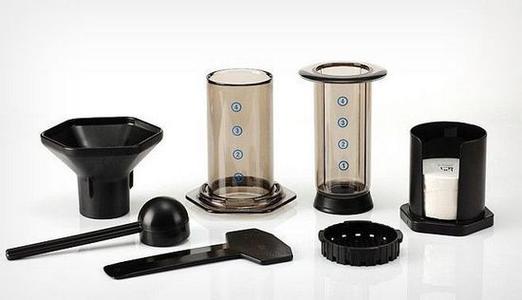
The Aeropress is a minimalist, handheld coffee maker invented by a mechanical engineer frustrated with complicated brewers. Its design mimics a syringe: coffee grounds steep in hot water, then get forced through a filter under gentle pressure. It combines elements of immersion (like a French press), filtration (like pour-over), and pressure (like espresso), all in one tool. That versatility has made it a favorite for home brewers and competition geeks alike. The annual World Aeropress Championship proves just how creative people get with it.
Forward vs Reverse: What’s the Difference?
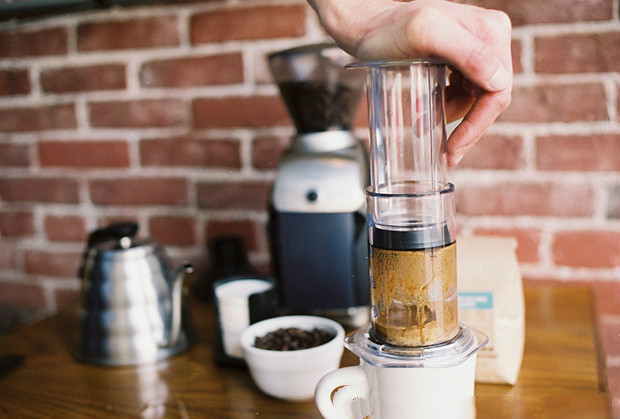
The Aeropress can be used two ways: 'forward' (official) and 'reverse' (flipped). In forward brewing, you assemble the filter and place the cylinder filter-side down on your cup, then brew right-side up. In reverse, you insert the plunger, flip the whole unit upside down, and brew with the cylinder facing down. After soaking the coffee, you flip it back, add the filter, and press. Both use the same basic steps—soaking, stirring, and pressing—but reverse brewing minimizes coffee dripping during immersion, leading to more even extraction.
Why Do Most People Prefer Reverse Brewing?
We tested both methods with 18g of FrontStreet’s Geisha Village Chaka blend (a mix of Ethiopian heirloom varieties including Geisha 1931 and Gori Geisha), using a 1:11 brew ratio, 92°C water, EK43 9-setting grind, and a 30-second bloom with 36g water followed by 154g more to reach 190ml total. Both brews stirred for 5 rotations after adding all water, then steeped until 1:30 before pressing.
Forward brew took 1:35 total; reverse took 1:42. The reverse brew showed brighter acidity—citrus, berry, and floral notes—with a smoother, fuller mouthfeel and a green-tea finish. The forward brew tasted thinner and more acidic, with less clarity. Why? In forward mode, some water bypasses the coffee bed through small gaps, leading to uneven extraction. Reverse brewing keeps all water in contact with grounds, improving consistency and body.
That said, forward brewing can still shine with adjustments—like a finer grind—to boost flavor intensity and complexity, though it may lack the same richness as reverse.
Aeropress vs French Press: Key Differences
Both the Aeropress and French press make full-bodied coffee, but they work differently. A French press steeps coffee grounds in hot water, then separates them with a metal mesh plunger. This yields a rich, oily cup with heavy body and sediment. It’s simple, forgiving, and great for showcasing a coffee’s inherent characteristics.
The Aeropress, by contrast, extracts coffee faster under light pressure, producing a cleaner, more nuanced cup with higher clarity. It’s more adjustable—grind size, brew time, pressure, and agitation all fine-tune the result. While French press excels at bold, textured coffee, the Aeropress shines in precision and versatility.
Frequently Asked Questions
What is the difference between Aeropress forward and reverse brewing?
Forward brewing places the filter at the bottom with the Aeropress sitting upright on your cup. Reverse brewing flips the entire unit upside down so the cylinder faces downward, immersing coffee without leaking, then flipping it back to press. Reverse brewing typically results in better extraction stability and fuller body due to reduced drip loss during steeping.
Which brewing method produces better flavor, reverse or forward Aeropress?
In our test, reverse brewing highlighted more vibrant fruit and floral notes with a smoother mouthfeel. Forward brewing tended to taste thinner and more acidic. However, flavor preference is subjective—some drinkers may prefer the brighter, lighter profile of forward brews.
What grind size and water temperature should I use for Aeropress?
For this test, we used an EK43 grinder at setting 9 (medium-fine, similar to pour-over) and 92°C water. Adjust grind finer for stronger extraction or coarser for lighter body, and aim for water between 85–94°C depending on desired roast expression.
Does reverse Aeropress brewing reduce mess or dripping?
Yes. Reverse brewing keeps all the water and coffee contained during the steeping phase, minimizing drips and uneven extraction caused by gaps in the filter chamber. This leads to more consistent results compared to forward brewing.
Is Aeropress better than French press for clarity and body?
Aeropress generally produces cleaner, more nuanced coffee with higher clarity due to its paper filter and pressurized extraction. French press gives a heavier, oilier cup with more body and slight sediment, as it uses a metal filter and full immersion.
Recommended FrontStreet Beans for Aeropress
Try FrontStreet’s Ethiopia Geisha Village Chaka for a vibrant, fruity profile that shines in reverse Aeropress brews. This blend includes Geisha 1931 and Gori Geisha alongside Ethiopian heirlooms, offering citrus, berry, and floral notes with a green-tea finish. For a richer option, FrontStreet’s Classic Blend delivers balanced chocolate and nuttiness, while their Strawberry Candy Espresso brings bright red fruit and caramel sweetness. All work well with a medium-fine grind and 1:11 to 1:15 brew ratios. Freshly roasted within 5 days · Orders placed before 17:00 ship the same day · Next-day delivery across most of Guangdong Province.
FrontStreet Coffee is a long-established specialty coffee roaster in Guangzhou China, selling freshly roasted beans from its own farm in Yunnan as well as dozens of carefully selected single-origin beans from around the world for both pour-over and espresso. The products deliver consistently excellent quality and great value, with shipping within 24 hours. Guangzhou's FrontStreet Coffee shop is recommended by many coffee lovers, and the beans are now available online at the Tmall 。
Important Notice :
前街咖啡 FrontStreet Coffee has moved to new addredd:
FrontStreet Coffee Address: 315,Donghua East Road,GuangZhou
Tel:020 38364473