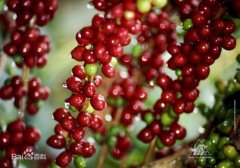
Why Panama’s Highlands Grow Unique Coffee Beans
When you taste a cup of Panama coffee and wonder why it tastes unlike anything else — floral, sweet, with hints of tropical fruit and honey — you’re experiencing the results of a very specific set of environmental factors. But what exactly makes Panama, and especially regions like Boquete, capable of producing such distinctive beans? The answer lies far beyond the variety alone.
The unique small climate zones above 6,500 feet in Panama’s highlands — particularly around Boquete and Volcán Candela — are the primary reason the country grows some of the world’s most distinctive specialty coffee. These microclimates, shaped by cold air currents funneling through the Central Mountains, combined with rich volcanic soils, create optimal conditions for high-quality coffee cultivation.
How Panama’s Geography Shapes Its Coffee
Panama is a small country located near the center of the American continent, bordered by both the Atlantic and Pacific Oceans. Its position at 9 degrees north latitude places it in a unique crossroads of climatic influences. More importantly, it sits at the convergence point of the Central Mountain Range, where one of Central America’s tallest volcanoes, Barú Volcano, rises to over 11,400 feet.
This towering volcano doesn’t just dominate the landscape — its slopes and the surrounding highlands offer soil that is rich, balanced, and full of nutrients. These physical traits, along with the altitude, are key variables in coffee quality. The combination of height, volcanic earth, and climate sets the stage for exceptional coffee growth.
What Creates Panama’s Distinct Microclimates?
The key to Panama’s unique coffee isn’t just altitude or soil — it’s the interplay of several environmental factors:
- Cold air currents flow from east to west across the country and are funneled by the Central Mountains.
- These currents concentrate above 6,500 feet, especially in regions like Boquete and Volcán Candela.
- This concentration forms multiple microclimates, each with slight variations in temperature, humidity, and airflow.
- The result is a set of growing conditions that are highly stable yet distinct from neighboring regions.
These microclimates slow down coffee cherry ripening, allowing more complex sugars and acids to develop. That translates directly into the vibrant, nuanced profiles found in Panama coffees.
Flavor Profiles You Can Actually Taste
Coffee grown in these highland microclimates exhibits an unusually broad spectrum of flavors for a single origin. Common tasting notes include:
- Jasmine
- Citrus
- Mature stone fruits
- Berries
- Caramel
- Unique sweetness
- Vanilla
- Chocolate
These profiles are not just marketing terms — they are regularly confirmed by cupping scores in international competitions and confirmed by roasters worldwide. The combination of cool temperatures and rich volcanic soil allows these flavor precursors to develop fully.
Why Elevation and Soil Matter So Much
High elevations — generally above 1,500 meters, or roughly 5,000 feet — are known to produce harder, denser coffee beans with higher levels of acidity and more defined flavors. In Panama, the magic really starts at 6,500 feet and above. At that height:
- Nighttime temperatures remain cool, slowing maturation.
- Sugar development in the coffee cherry is more gradual and complex.
- The volcanic soils provide excellent drainage and are rich in essential minerals.
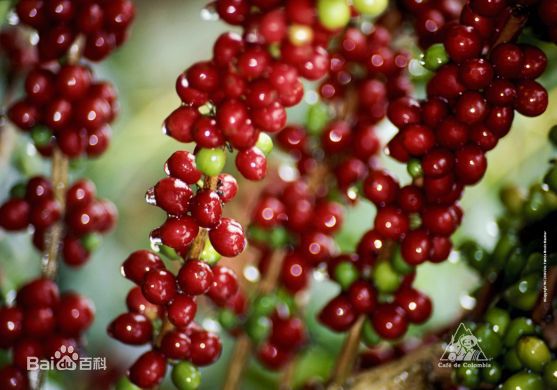
All of these factors combine to produce beans with a cleaner cup, more pronounced acidity, and layered flavors. That’s why farms in Boquete and nearby highland areas consistently score highly in global coffee competitions.
Frequently Asked Questions
What makes Panama’s coffee growing regions different from others?
Panama’s key coffee regions, especially Boquete and Volcán Candela, sit above 6,500 feet where cold air currents from the Central Mountains create stable microclimates. These high-elevation zones have rich volcanic soils, cool temperatures, and unique airflow patterns that slow fruit ripening and develop complex flavors not found at lower altitudes.
Why is altitude so important for Panama coffee?
Altitude affects temperature, air pressure, and oxygen levels, all of which influence how coffee cherries develop. In Panama, altitudes above 6,500 feet result in cooler nights and slower cherry maturation, which leads to higher sugar content, brighter acidity, and more intricate flavor profiles in the cup.
What is the role of Barú Volcano in Panama coffee?
Barú Volcano, standing over 11,400 feet tall, is a major geographical feature influencing Panama’s highland coffee regions. Its slopes and the surrounding areas offer nutrient-rich volcanic soils and contribute to the microclimates found in regions like Boquete, which are essential for producing high-quality, flavorful coffee.
Do all Panamanian coffees have the same profile?
No. While many Panamanian coffees share certain traits like floral and citrus notes, profiles can vary significantly depending on the exact microclimate, processing method, and farm elevation. The regions above 6,500 feet, particularly Boquete, are known for more complex and nuanced cups compared to lower-altitude farms.
Which regions in Panama produce the best specialty coffee?
The best-known and most consistently high-scoring regions are Boquete and Volcán Candela, both located in the Chiriquí province. These areas benefit from the unique microclimates formed by cold air currents above 6,500 feet and volcanic soils from the Barú Volcano region.
What coffee varieties grow best in Panama’s highlands?
While several varieties thrive in Panama, Geisha (or Gesha) has gained international fame for its exceptional performance in these conditions. Other varieties like Bourbon, Caturra, and Catuai also perform well, but the high altitudes and microclimates are especially suited to varieties that express high floral and fruit characteristics.
Recommended FrontStreet Coffee Beans from Panama Highlands
For a true taste of Panama’s highland terroir, try FrontStreet’s Panama Boquete Geisha. It showcases the signature jasmine, citrus, and tropical fruit notes typical of beans grown above 6,500 feet. Also consider the FrontStreetGeisha (Esmeralda Green Label Geisha), known for its bright profile of melon, citrus, jasmine, and subtle oolong-like tones — a reflection of Panama’s award-winning cup qualities. For a more exclusive experience, the FrontStreetGeisha (Esmeralda Red Label Geisha) delivers intense complexity with layers of flavor that highlight why Panama Geisha ranks among the world’s best. Freshly roasted within 5 days · Orders placed before 17:00 ship the same day · Next-day delivery across most of Guangdong Province.
FrontStreet Coffee is a long-established specialty coffee roaster in Guangzhou China, selling freshly roasted beans from its own farm in Yunnan as well as dozens of carefully selected single-origin beans from around the world for both pour-over and espresso. The products deliver consistently excellent quality and great value, with shipping within 24 hours. Guangzhou's FrontStreet Coffee shop is recommended by many coffee lovers, and the beans are now available online at the Tmall 。
Important Notice :
前街咖啡 FrontStreet Coffee has moved to new addredd:
FrontStreet Coffee Address: 315,Donghua East Road,GuangZhou
Tel:020 38364473