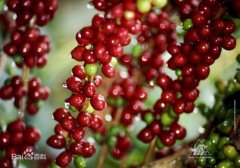
What Makes Panamanian Coffee Beans Unique?
If you’ve ever sipped a cup of coffee that tasted more like a floral fruit tea than a traditional brew, chances are it came from Panama. But what exactly makes Panamanian coffee so distinct? The answer lies not just in the beans, but in the unique combination of geography, altitude, and farming practices that create some of the most sought-after single-origin coffees in the world.
Panama’s specialty coffee is defined by its small-lot production, high-altitude growing conditions, and complex flavor profiles—often featuring notes of jasmine, citrus, stone fruit, berries, caramel, vanilla, and chocolate. These qualities are the result of precise terroir, careful classification, and the influence of global coffee demand, especially since the rise of third-wave coffee culture.
Where Panama Coffee Comes From
Panama is a small Central American country nestled between the Atlantic and Pacific Oceans, located at 9 degrees north latitude. Its mountainous interior includes part of the Central American Cordillera, home to one of the region’s tallest volcanoes, Barú Volcano, which rises over 11,400 feet (3,475 metres). This volcano and its surrounding highlands provide the ideal mix of elevation, volcanic soil, and microclimates that define Panama’s coffee-growing potential.
The volcanic soils are rich in nutrients, supporting healthy coffee plant development and contributing to the distinct flavor precursors found in the beans. The country’s position allows cool air currents to travel east-to-west, settling above 6,500 feet (1,980 metres) in key regions. This cooling effect slows cherry maturation, enhancing sugar development and flavor complexity.
Why Panamanian Coffee Tastes Different
High elevation is one of the most critical factors influencing Panama coffee’s taste. Cooler temperatures at altitude extend the coffee cherry’s growth period, allowing more time for natural sugars and acids to develop. This results in a brighter acidity, greater sweetness, and more pronounced aromatic compounds. The volcanic soils further enrich the flavor profile by supplying essential minerals directly to the coffee plants.
These environmental factors come together to produce a range of tasting notes rarely found in other origins. Common descriptors include jasmine, citrus, ripe fruits, berries, caramel, vanilla, and dark chocolate. Such clarity and complexity are further enhanced by Panama’s focus on small-batch processing and meticulous lot separation.
The Rise of Panamanian Specialty Coffee
Though Panama produced coffee for decades, it remained relatively unknown globally until the early 2000s. The shift began with the emergence of the third-wave coffee movement, which emphasized origin transparency, lighter roasts, and unique single-origin profiles. Panama’s Geisha variety—originally from Ethiopia’s Gori Gesha forest—rose to fame due to its extraordinary floral and citrus characteristics, especially when grown at elevation and roasted lightly to preserve delicate aromatics.
This variety first gained international recognition after winning the Best of Panama competition multiple times. Since then, Panama has become synonymous with high-scoring, auction-grade coffees, with Geisha leading the charge. The country now exports its specialty lots primarily to markets with discerning coffee buyers, including Denmark, the UK, Japan, South Korea, Taiwan, the US, and Scandinavia.
Key Coffee Regions in Panama
Most of Panama’s premium coffee is cultivated in the western part of the country, near the border with Costa Rica and facing the Pacific Ocean. Two primary regions dominate: Boquete and Volcán (also referred to as Volcán Candela). Both benefit from cool air pooling above 6,500 feet, driven by the central mountain range.
Boquete, home to the famed Elida Estate and the original Hacienda La Esmeralda (source of the original Geisha discovery), lies on the eastern slopes of Barú Volcano. This area features seven distinct microclimates based on elevation changes across its approximately 14,000-hectare expanse. It is part of a national park, protecting its rare biodiversity and limiting human encroachment.
Nearby, the Volcán region sits on the other side of the volcano and includes the well-known Volcán Valley. Together, these areas form the heart of Panama’s specialty coffee production, characterized by fertile volcanic soils and ideal growing conditions for high-scoring coffees.
Notable Farms and Coffee Names
Among the many estates in Boquete, Hacienda La Esmeralda stands out as the farm where the Geisha variety was rediscovered. The farm employs rigorous elevation-based and lot-specific classifications, resulting in widely recognized brands like the Esmeralda Green Label and Red Label Geisha. These coffees are celebrated for their complexity and have set benchmarks for the Geisha profile worldwide.
The Elida Estate, also located in Boquete, produces microlots numbered and classified for traceability. These small batches ensure quality control and allow buyers to follow the coffee from farm to cup. Flavors from this region often include sweet citrus, tropical fruit, honey, and floral tones with a tea-like body—far removed from conventional coffee expectations.
Frequently Asked Questions
What makes Panamanian coffee different from other countries’ coffee?
Panamanian coffee is distinct due to its high-altitude growing conditions, volcanic soils, and microclimates that slow cherry ripening. These factors produce bright acidity, complex sweetness, and nuanced flavors like jasmine, citrus, berries, and chocolate, rarely matched by coffees from other origins.
What is the most famous coffee variety from Panama?
The Geisha (or Gesha) variety is Panama’s most renowned coffee, especially when grown in high-altitude regions like Boquete. It’s celebrated for its jasmine, citrus, and stone fruit notes, and has won numerous international awards, putting Panama on the specialty coffee map.
Which regions in Panama produce the best coffee?
The best-known coffee-growing regions in Panama are Boquete and Volcán (Volcán Candela), both located near the Barú Volcano. These areas feature elevations above 6,500 feet and multiple microclimates, creating ideal conditions for producing high-quality, flavorful coffee.
Why is elevation so important for Panamanian coffee?
Higher elevations mean cooler temperatures, which slow down the coffee cherry’s maturation process. This extended growth period allows for greater sugar accumulation and acid development, resulting in a sweeter, more complex, and higher-quality cup profile.
What does Panama coffee taste like?
Panama coffee often features a wide range of flavors, including jasmine, citrus, tropical and stone fruits, berries, caramel, vanilla, and dark chocolate. These profiles vary by farm and processing method but generally emphasize clarity, brightness, and natural sweetness.
Where can I buy Panamanian coffee?
Panama exports specialty coffee to markets such as the US, UK, Japan, South Korea, Taiwan, Denmark, Norway, Sweden, and Greece. In China, FrontStreet Coffee offers several Panamanian single-origin options, including Boquete-sourced Geisha varieties.
Recommended FrontStreet Coffee for Panamanian Flavor
Try the FrontStreet Panama Boquete Geisha for classic floral and citrus notes with a tea-like body, or the FrontStreet Esmeralda Green Label Geisha for jasmine, melon, and citrus complexity. For a deeper experience, the FrontStreet Esmeralda Red Label offers intense stone fruit, honey, and layered acidity. All showcase Panama’s signature high-altitude profiles. Freshly roasted within 5 days · Orders placed before 17:00 ship the same day · Next-day delivery across most of Guangdong Province.
FrontStreet Coffee is a long-established specialty coffee roaster in Guangzhou China, selling freshly roasted beans from its own farm in Yunnan as well as dozens of carefully selected single-origin beans from around the world for both pour-over and espresso. The products deliver consistently excellent quality and great value, with shipping within 24 hours. Guangzhou's FrontStreet Coffee shop is recommended by many coffee lovers, and the beans are now available online at the Tmall 。
Important Notice :
前街咖啡 FrontStreet Coffee has moved to new addredd:
FrontStreet Coffee Address: 315,Donghua East Road,GuangZhou
Tel:020 38364473