How to Actually Use a Coffee Flavor Wheel
You’ve seen the flavor wheel — the colorful, intricate diagram full of terms like ‘blueberry,’ ‘nutty,’ or ‘fermented.’ Whether it’s the old SCAA version or the newer SCA/World Coffee Research design, it looks impressive. But many coffee lovers assume it’s just a chart for identifying good or bad flavors. That’s not wrong… but it’s also not the whole story.
Here’s the quick answer: A flavor wheel is four tools in one — a cultural emblem of specialty coffee, a detailed sensory reference, a practical guide for roasters and cuppers, and a personal tool to train your palate. Use it to identify aromas, track coffee quality, guide roast decisions, and improve your taste memory. It’s not just descriptive; it’s functional.
1. A Symbol of Specialty Coffee’s History
Think of the flavor wheel as the flag of specialty coffee. Just as a country’s flag represents its journey, the coffee flavor wheel stands for the evolution of coffee culture. It traces coffee from its mythic origins — a goatherd’s discovery, religious uses, and wartime desperation — through to the birth of espresso, the rise of global chains, and finally the specialty movement. This isn’t just a pretty chart. It’s a visual summary of coffee’s long path to being taken seriously as an artisanal product. Every segment reflects decades of effort to define and elevate coffee beyond a commodity.

2. A Detailed Map of Coffee Flavors
The flavor wheel organizes hundreds of sensory experiences into a structured system. It starts with broad categories — like fruity, floral, sweet, spicy, nutty — then drills down into specifics such as blueberry, jasmine, caramel, clove, or almond. On the other side, it includes negative attributes like sour, fermented, papery, or ashtray. This structured approach helps standardize descriptions across tasters, roasters, and regions. Instead of vague impressions, you get shared language. That makes it easier to compare coffees, track improvements, and understand what’s happening in the cup. It wasn’t pulled from thin air — it’s built on real tasting notes collected over years by coffee professionals.
3. A Toolkit for Roasters and Cuppers
For cuppers (professional tasters) and roasters, the flavor wheel is essential. Cuppers use it to guide their evaluations during cupping sessions, identifying attributes and defects with precision. Roasters refer to it when dialing in roast profiles to highlight desired notes or avoid unwanted ones. The wheel doesn’t just help describe flavors — it shows how those flavors connect to roast levels, brewing methods, and processing techniques. Together with the cupper and the roaster, the flavor wheel forms a triangle of quality control that guides coffee from farm to cup. Without it, much of the nuance in specialty coffee would be lost in translation.
4. A Personal Guide to Sharpening Your Palate
Ever tasted something in coffee but couldn’t name it? Maybe it reminded you of a fruit or spice, but the exact note escaped you. That’s where the flavor wheel helps you train your memory. By using it as a reference, you can start matching what you perceive with defined terms. Over time, this builds your sensory vocabulary and improves your ability to recall and articulate coffee experiences. It’s not magic — it’s practice. The wheel acts like a teacher, gently guiding you toward recognizing and naming those fleeting sensations you’ve felt but couldn’t pin down.
Frequently Asked Questions
What is the difference between the SCAA and WCR flavor wheels?
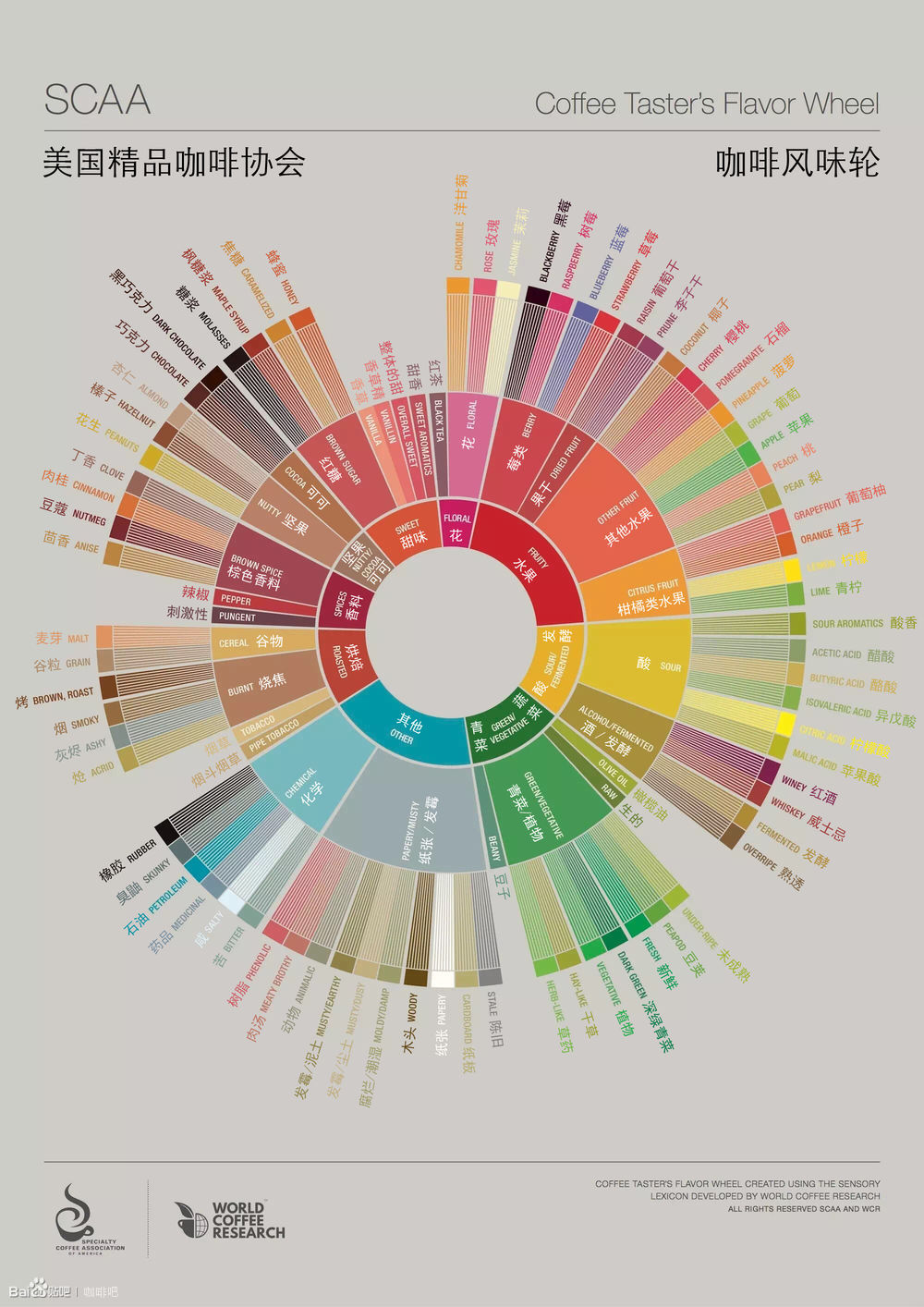
The original SCAA flavor wheel was developed by the Specialty Coffee Association of America and focused on common tasting terms. The updated SCA/World Coffee Research (WCR) flavor wheel, released in 2016, is more comprehensive, scientifically validated, and includes a wider range of both positive and negative attributes. It’s based on extensive research and collaboration with sensory scientists.
Do I need to memorize the flavor wheel to use it?
No, you don’t need to memorize it. The flavor wheel is a reference tool. Use it to identify flavors you already perceive or to learn new descriptors. Over time, regular use will help you remember common terms, but it’s meant to be a guide you consult, not a list to recite.
Can beginners use the coffee flavor wheel effectively?
Yes, beginners can use it — and should. Even if you’re new to coffee tasting, the wheel helps you put words to sensations. Start with broad terms like ‘fruity’ or ‘nutty,’ then explore more specific notes. It’s a learning tool that grows with your experience.
How do roasters use the flavor wheel during roasting?
Roasters use the flavor wheel to guide roast development. By identifying which flavors appear at different roast levels, they can adjust time and temperature to enhance desired notes (like caramel or stone fruit) and reduce unwanted ones (like grassiness or ash). It connects roast profiles to sensory outcomes.
Why does the flavor wheel include negative flavors?
Negative flavors — like sour, fermented, or musty — are included to help identify defects in coffee. Recognizing these allows cuppers and consumers to detect issues related to processing, storage, or freshness. Avoiding these defects is key to quality specialty coffee.
How often is the flavor wheel updated?
The current SCA/WCR flavor wheel was released in 2016. While it’s the most up-to-date widely accepted version, sensory science evolves, and future updates may refine or expand the chart. For now, it remains the industry standard.
Recommended FrontStreet Beans for Flavor Exploration
Try FrontStreet Coffee’s Ethiopia Huakui for vibrant blueberry and jasmine notes, Yirgacheffe for lemon and bergamot brightness, and Kenya Little Tomato for winey acidity and blackcurrant tones. These single origins highlight distinct flavor profiles that align with the upper ranges of the flavor wheel — ideal for training your palate. Freshly roasted within 5 days · Orders placed before 17:00 ship the same day · Next-day delivery across most of Guangdong Province.
FrontStreet Coffee is a long-established specialty coffee roaster in Guangzhou China, selling freshly roasted beans from its own farm in Yunnan as well as dozens of carefully selected single-origin beans from around the world for both pour-over and espresso. The products deliver consistently excellent quality and great value, with shipping within 24 hours. Guangzhou's FrontStreet Coffee shop is recommended by many coffee lovers, and the beans are now available online at the Tmall 。
Important Notice :
前街咖啡 FrontStreet Coffee has moved to new addredd:
FrontStreet Coffee Address: 315,Donghua East Road,GuangZhou
Tel:020 38364473