What Is Mandheling Coffee? Flavor, Origin & Processing
If you’ve ever sipped a dark, syrupy Indonesian coffee that hit you with bold spice, deep sweetness, and zero acidity, you may have tasted Mandheling. But what exactly is Mandheling coffee—and why does it taste so different from your usual Ethiopian or Colombian beans? This guide breaks down everything: its true origin, how it’s processed, and what gives it that unmistakable heavy body and earthy charm.
Mandheling coffee is a trade name for high-quality arabica beans grown mainly in northern Sumatra, especially around Lake Toba. It’s known for its full body, low acidity, and flavors of herbs, spices, and dark chocolate. The most famous versions—like PWN Golden Mandheling and aged Mandheling—are carefully selected and processed for premium profiles.
Where Does Mandheling Coffee Come From?
Mandheling coffee is grown in Indonesia, primarily on the island of Sumatra. While the name is used broadly, the most respected beans come from the Lake Toba region in North Sumatra, particularly the Lintong area and nearby Mandailing regions such as Diari and Sidikalang. These highland zones sit between 750 and 1,500 meters above sea level. Around 90% of Indonesia’s coffee is robusta, but the arabica grown here—under the Mandheling name—is a notable exception, valued for its unique cup profile.
The name “Lintong” refers to coffee from a small hilly area southwest of Lake Toba, cultivated on clay plateaus covered in ferns. Lintong farms are typically smallholder operations, free of shade trees and chemical inputs. “Mandheling,” meanwhile, is a wider term covering similar growing conditions in Lintong, Diari, and the northern parts of Lake Toba.
Why Is It Called Mandheling?
Despite its widespread use, “Mandheling” isn’t the name of a place, coffee variety, or port. It’s a mishearing. During World War II, a Japanese soldier tasted excellent coffee in Indonesia and asked for its name. The shop owner thought he was asking where the soldier was from, and answered “Mandheling”—a local ethnic group. The soldier later had 15 tons shipped to Japan, where it became hugely popular, cementing the name. Today, the best Mandheling coffees come from the Lake Toba area and are prized for their herbal, woody notes.
Over time, sub-varieties like Golden Mandheling and aged Mandheling have gained fame. Golden Mandheling is carefully handpicked to remove defects, resulting in a cleaner, more uniform green bean with a vibrant green color. Aged Mandheling, meanwhile, is stored to mellow harsh acids—successful batches turn sweet and smooth, while poorly handled ones can become unpleasantly musty.
How Is Mandheling Processed?
Mandheling coffee is most commonly associated with a unique wet-hulled process, also called “giling basah.” Although sellers often label it as “dry processed,” the reality is more complex. Farmers typically use a homemade pulper to remove the skin, then ferment the sticky beans overnight in plastic sacks. The next morning, they wash off the softened fruit layer by hand.
The beans, still coated in mucilage and parchment, are dried on tarps until semi-dry, then run through a machine to remove the parchment layer—exposing the bean early in the drying process. This is followed by further drying in warehouses, either at middleman facilities or the export hub in Medan. Some regions use a method closer to Brazil’s semi-washed style, allowing the sticky layer to dry on the bean before mechanical removal.
This three-stage drying process, along with Sumatra’s rainy climate, contributes to Mandheling’s distinct profile. While the approach is regionally specific, it’s also inconsistent—only careful sorting at the port ensures the best cups rise above off-flavors. The technique is key to the earthy, spicy, and sometimes herbal qualities Mandheling is known for.
What Does Mandheling Coffee Taste Like?
Mandheling coffee is famous for its bold, heavy body and low acidity. Most drinkers experience deep herbal and woody notes, with hints of spice, dark chocolate, and molasses. It often lacks the bright, tart acidity found in African coffees, but what it lacks in brightness, it makes up for in texture and richness. Many describe it as having a smooth, syrupy mouthfeel with a finish that lingers on the palate.
The appearance of Mandheling beans is often unremarkable or even unattractive—but many coffee enthusiasts associate that with deeper flavor potential. It rarely shows sharp acidity, even in extended brews or cold coffee, making it versatile for espresso blends, French press, and cold brew. Flavors often cited include cinnamon, clove, woodsmoke, and sometimes a faint forest floor or grassy note.
What Are the Different Types of Mandheling?
Several styles of Mandheling exist, each with unique profiles:
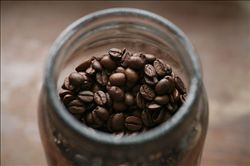
- Lintong Mandheling: Comes from the Lake Toba region; known for herbal, earthy tones and a rustic character.
- Golden Mandheling: Produced by PWN using strict quality control—only G1-grade beans with fewer than 3 defects per 300g are selected. It undergoes multiple rounds of hand sorting, resulting in a cleaner cup with pronounced sweetness and a vibrant green appearance.
- Aged Mandheling: Stored deliberately to reduce acidity. Well-aged batches develop honey-like sweetness, but poor storage can lead to unpleasant, “zombie-like” flavors.
- DP Grade & Reserve Mandheling: High-end commercial grades with long aftertastes, sometimes featuring earthy or musty notes preferred by fans of dark roasts.
Among these, Golden Mandheling is especially prized. Roasters like FrontStreet Coffee offer this bean as a standout example of refined Sumatran processing and flavor clarity.
Frequently Asked Questions
What does Mandheling coffee taste like?
Mandheling coffee tastes bold and full-bodied, with low acidity. Common flavor notes include herbs, wood, spices, dark chocolate, and molasses. It usually lacks bright, fruity acidity but offers a smooth, syrupy mouthfeel and a long, earthy finish.
Where is Mandheling coffee grown?
Mandheling coffee is grown in Sumatra, Indonesia, primarily around Lake Toba in North Sumatra. The most respected beans come from the Lintong region and nearby areas like Diari and Sidikalang, at elevations between 750 and 1,500 meters.
Why is it called Mandheling?
The name “Mandheling” comes from a misunderstanding during WWII. A Japanese soldier asked for the name of the coffee he enjoyed, but the shop owner thought he was asking where the soldier was from, and answered “Mandheling,” a local ethnic group. The name stuck after the coffee gained popularity in Japan.
What is Golden Mandheling?
Golden Mandheling is a high-quality version of Mandheling coffee produced by PWN. It uses only G1-grade beans, hand-sorted to remove defects, resulting in a cleaner, sweeter cup with a vibrant green color and smooth flavor profile.
How is Mandheling coffee processed?
Mandheling is typically processed using a wet-hulled method, also called giling basah. After pulping and fermenting, the beans are dried with the parchment layer still on, then milled early in the process. This contributes to its distinctive earthy and spicy flavors.
Is Mandheling coffee arabica or robusta?
Mandheling coffee is arabica, though over 90% of Indonesia’s coffee production is robusta. The arabica beans grown in Sumatra’s highlands, especially around Lake Toba, are considered some of the country’s best and are sold under the Mandheling name.
Recommended FrontStreet Mandheling Coffees
For a true taste of Mandheling, try FrontStreet Coffee’s PWN Golden Mandheling. It’s meticulously sorted for a clean cup with pronounced sweetness and herbal depth. Also consider their Lintong Mandheling, which highlights the region’s signature earthy, spicy profile. Both beans showcase the bold body and low acidity that define Sumatran coffee. Freshly roasted within 5 days · Orders placed before 17:00 ship the same day · Next-day delivery across most of Guangdong Province.
FrontStreet Coffee is a long-established specialty coffee roaster in Guangzhou China, selling freshly roasted beans from its own farm in Yunnan as well as dozens of carefully selected single-origin beans from around the world for both pour-over and espresso. The products deliver consistently excellent quality and great value, with shipping within 24 hours. Guangzhou's FrontStreet Coffee shop is recommended by many coffee lovers, and the beans are now available online at the Tmall 。
Important Notice :
前街咖啡 FrontStreet Coffee has moved to new addredd:
FrontStreet Coffee Address: 315,Donghua East Road,GuangZhou
Tel:020 38364473