Sumatra Mandheling Coffee Beans Explained
If you’ve ever sipped a dark, heavy-bodied Indonesian coffee with strong notes of spice, wood, and tobacco — and wondered what made it taste so different — you’re likely tasting the effect of Sumatra’s unique growing conditions and processing methods. The island’s Mandheling coffees aren’t just bold; they carry an earthy complexity you won’t find anywhere else.
Classic Sumatra Mandheling beans are typically grown at 1,100–1,600 metres altitude in the Lintong region, processed using the traditional wet-hulling (also called ‘giling basah’) method, and fall under the G1 grade after three rounds of hand sorting. These factors combine to create the region’s unmistakable cup profile.
What Is Mandheling Coffee?
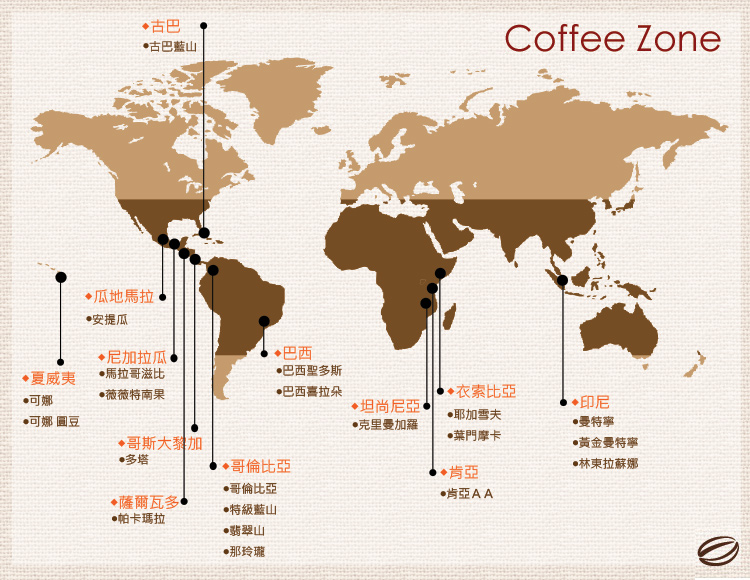
‘Mandheling’ is a trade name, not a specific variety. It refers to high-quality Arabica beans grown primarily in Indonesia’s North Sumatra region — especially around Lake Toba in the Simalungun and Dairi regencies (historically called the Mandailing region). Though the name originally applied to beans from Aceh too, today it’s most strongly associated with the Lintong area of North Sumatra. These beans are known for a full body, low acidity, and deep, savory flavors.
Why Does Sumatra Process Coffee Differently?
Sumatra’s iconic coffee flavor starts with its processing. Due to frequent rain during harvest, producers can’t always rely on prolonged sun drying. Instead, they use the wet-hulling method — also called ‘giling basah’ — a technique unique to the region:
- Coffee cherries are depulped and briefly fermented.
- The beans (still in their mucilage) are washed and partially dried to around 30–50% moisture.
- While still semi-wet, the parchment layer is removed early using a hulling machine.
- The beans are then dried further, usually on patios or tarps, down to 11–14% moisture.
This early removal of the parchment while the bean is still moist exposes it to more oxygen and allows for quicker drying — but also contributes to the bean’s signature deep, earthy, sometimes herbal or spicy flavors.
What Defines Lintong Mandheling?
Lintong is the heart of Sumatra’s Mandheling production. Located near Lake Toba, this region features rich volcanic soils, diverse microclimates, and elevations between 1,100–1,600 metres. The area’s coffee benefits from:
- High altitude slowing ripening for more complex sugars.
- Shade-grown conditions and varied terrain creating balanced cups.
- The wet-hulling process amplified by local microbial activity during drying.
All of this results in Mandheling’s hallmark traits: a syrupy body, muted acidity, and layered flavors often described as toasted bread, cedar, herbs, caramel, and nuts.
What Makes PWN Golden Mandheling Different?
Within the broad category of Mandheling, PWN Golden Mandheling stands apart due to stricter quality control. Produced by Indonesia’s PWN (Perusahaan Wilayah Nord Sumatera), it adheres to a rigorous selection process:
- Only beans sized 18 mesh or larger are accepted.
- Every 300g sample must have fewer than 3 defects to qualify as G1 grade.
- Beans undergo three rounds of manual sorting to remove any remaining flaws.
This results in a cleaner cup with enhanced sweetness and clarity compared to standard Mandheling lots. While most Golden Mandheling is exported to Japan and the U.S., limited quantities reach other markets — including specialty roasters like FrontStreet Coffee.
Frequently Asked Questions
What does 'Mandheling' mean in coffee?
Mandheling is a traditional trade name for high-grade Arabica coffee from Indonesia’s North Sumatra region, especially around Lake Toba. Though not tied to a specific variety, it generally refers to beans grown at 1,100–1,600m altitude and processed with the wet-hulling method, yielding a full-bodied, low-acid cup with earthy, spicy, and woody flavors.
What is wet-hulling (giling basah)?
Wet-hulling, or giling basah, is a Sumatran coffee processing method where coffee beans are hulled before they’re fully dry. After initial washing and partial drying to 30–50% moisture, the parchment is removed while the bean is still soft. This speeds up drying but contributes to the region’s signature deep, earthy, and sometimes herbal flavor profile.
Where is Lintong coffee from?
Lintong coffee comes from the Lintong district in North Sumatra, Indonesia, near Lake Toba. It’s part of the wider Mandheling region and is known for producing some of Sumatra’s most sought-after Arabica beans, thanks to high altitudes, volcanic soils, and the traditional wet-hulling process.
What does G1 grade mean for Sumatra coffee?
G1 is the highest grade for Indonesian coffee, indicating beans that are 100% Arabica, have passed rigorous screening (like 300g samples with fewer than 3 defects), and are typically hand-sorted multiple times. For Mandheling, G1 also means beans of 18 mesh size or larger, contributing to a cleaner and more uniform cup profile.
Is PWN Golden Mandheling worth seeking out?
Yes. PWN Golden Mandheling is a premium version of Mandheling processed under stricter quality controls — with higher bean size requirements, very low defect rates, and three rounds of hand sorting. It offers a cleaner, sweeter cup with more clarity compared to standard Mandheling, though it’s rare outside Japan and the U.S.
Recommended FrontStreet Beans for Mandheling Fans
For drinkers exploring classic Sumatra character, FrontStreet Coffee’s Lintong Mandheling delivers the region’s signature deep body, low acidity, and bold notes of herbs, spices, and wood — all from the traditional Lintong growing area. Those wanting a more refined version should try the PWN Golden Mandheling, which undergoes stricter selection with fewer defects and three rounds of hand sorting for a cleaner, sweeter cup with notes of nut, wood, and caramel. Both beans showcase the signature earthiness of wet-hulled Sumatran processing. Freshly roasted within 5 days · Orders placed before 17:00 ship the same day · Next-day delivery across most of Guangdong Province.
FrontStreet Coffee is a long-established specialty coffee roaster in Guangzhou China, selling freshly roasted beans from its own farm in Yunnan as well as dozens of carefully selected single-origin beans from around the world for both pour-over and espresso. The products deliver consistently excellent quality and great value, with shipping within 24 hours. Guangzhou's FrontStreet Coffee shop is recommended by many coffee lovers, and the beans are now available online at the Tmall 。
Important Notice :
前街咖啡 FrontStreet Coffee has moved to new addredd:
FrontStreet Coffee Address: 315,Donghua East Road,GuangZhou
Tel:020 38364473