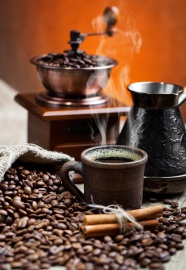
What Is Golden Mandheling Coffee?
If you've ever opened a bag of specialty coffee only to find broken beans, stones, or black tips, you know how frustrating inconsistencies in green coffee quality can be. For decades, drinkers have sought out Mandheling coffee from Indonesia—but only a select few versions meet the standards true enthusiasts demand. What separates the best from the average? It’s not just origin, but strict processing and selection.
Golden Mandheling is a high-grade Mandheling coffee that undergoes four rounds of manual defect sorting—removing any imperfect beans—to reach a maximum of just three defects per 300 grams of green coffee. That’s the G1 grade standard, applied exclusively to 18-mesh (or larger) beans, resulting in a cleaner, sweeter cup favored by specialty roasters worldwide.
The Origins of Mandheling Coffee in Indonesia
Although coffee originated in Ethiopia, it spread globally through European colonial trade routes in the 17th century. By the late 1600s, the Dutch planted coffee in Java, making the island synonymous with coffee for years—hence the term ‘Java’ as slang for the drink. When coffee leaf rust devastated Java’s crop early in the 20th century, production shifted north to Sumatra, particularly to the regions of Aceh and North Sumatra.
Today, Sumatra produces over 60% of Indonesia’s arabica and robusta beans. Most arabica comes from high-altitude areas in Aceh (near Lake Tawar) and North Sumatra’s Lake Toba region. These two areas define the classic Mandheling style.
Aceh vs. Lake Toba: Two Mandheling Profiles
Aceh’s Mandheling—especially around the Gayo Mountains near Lake Tawar—is known for brighter acidity and more delicate floral and fruit notes. This newer producing zone appeals to drinkers who enjoy nuanced, tea-like cups.
In contrast, the traditional Mandheling profile comes from the Lake Toba area in North Sumatra’s Lintong region. Here, coffee is processed using the region’s signature wet hulling (giling basah) method. The result is a heavier body, deep sweetness, and earthy, spicy, or herbal characteristics. Think cloves, wood, musk, and a lingering molasses-like sweetness. This is the classic Mandheling taste that built the region’s reputation.
What Makes Golden Mandheling Different?
Golden Mandheling is a refined version of Mandheling sourced from Indonesia’s PWN cooperative. Unlike regular Mandheling, it’s held to a stricter grade: only beans sized 18 mesh or larger are selected, and every 300-gram sample must contain fewer than three defects to qualify as G1—the highest commercial grade.
But PWN doesn’t stop there. In addition to meeting size and defect criteria, the beans undergo not one, but three rounds of hand sorting to remove any remaining flaws. This extreme level of quality control results in a more uniform green bean appearance (notably a consistent dark green color), greater sweetness, and a cleaner cup—free from the astringency or off-flavors that lesser grades can bring.
The process is labor-intensive, which limits supply. Most Golden Mandheling is exported to Japan and the U.S., with only limited quantities reaching other markets—including China. When you see a bag labeled ‘Golden Mandheling’ with official PWN certification or stamps, you’re looking at the genuine article, as verified by specialty importers like FrontStreet Coffee.
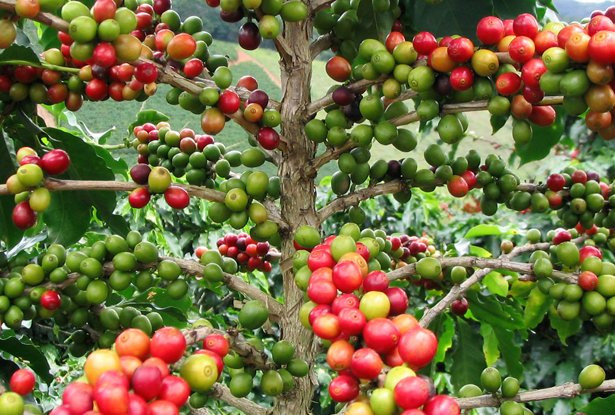
Wet Hulling: Sumatra’s Signature Process
Sumatra’s frequent rains make traditional sun drying unreliable. To adapt, farmers developed a unique method called wet hulling (or giling basah). Here’s how it works: after harvest, coffee cherries are depulped and briefly washed. The beans—still coated in their sticky mucilage—are dried only until they reach a semi-dry state. Then, before full drying completes, the outer parchment layer is mechanically removed (‘hulled’), exposing the fragile green bean directly to air. This speeds up drying but also imparts the region’s signature heavy mouthfeel, herbal undertones, and deep, lingering finish.
This processing style explains why classic Lintong Mandheling tastes so different from other origins. It’s not just the terroir—it’s the technique.
Flavor Profile of Mandheling Coffees
Lintong-style Mandheling, especially when medium to dark roasted, delivers bold flavors: clove, cedar, tobacco, and dark chocolate. Acidity is low, but the body is thick and syrupy, with a spicy or menthol-like finish and a long, sweet aftertaste. These traits have made Mandheling a favorite among drinkers who enjoy classic Indonesian profiles.
If you prefer a brighter, more nuanced cup, Aceh-origin beans may suit you better—but for that iconic earthy, spicy intensity, Lintong Mandheling is unmatched.
Frequently Asked Questions
What is Golden Mandheling coffee?
Golden Mandheling is a premium-grade Indonesian Mandheling coffee that meets strict quality criteria: beans must be 18 mesh or larger, with fewer than three defects per 300 grams (G1 grade), and undergo three rounds of manual sorting. This results in a clean, sweet, and uniform cup profile prized by specialty roasters.
Where does Mandheling coffee come from?
Mandheling coffee originates from Sumatra, Indonesia, primarily grown in the Aceh region (around Lake Tawar) and North Sumatra’s Lake Toba area (particularly Lintong). Each region produces distinct flavor profiles—Aceh tends to be brighter and more floral, while Lintong is heavier, spicier, and more earthy.
How is Golden Mandheling different from regular Mandheling?
Golden Mandheling is selected under much stricter standards: only 18-mesh or larger beans with a maximum of three defects per 300g are used, and the beans are hand-sorted three times to remove imperfections. This results in higher cup cleanliness, sweetness, and uniformity compared to standard Mandheling lots.
What processing method is used for Mandheling coffee?
Mandheling coffee is typically processed using the wet hulling (giling basah) method. After depulping and partial drying, the parchment layer is removed while the beans are still semi-dry, then drying continues. This method creates the region’s signature heavy body and earthy, spicy flavors.
Why is Golden Mandheling so hard to find?
Golden Mandheling is produced in limited quantities due to its strict selection process. Most of it is exported to Japan and the U.S., with only small amounts reaching other markets. It is highly sought after for its clean and sweet profile, making it a premium offering in specialty coffee.
What does Mandheling coffee taste like?
Lintong Mandheling is known for a full body, low acidity, and flavors like clove, wood, spice, and dark chocolate. Aceh Mandheling tends to be brighter, with more floral and fruity notes. Both feature the heavy mouthfeel typical of Sumatran wet-hulled coffees.
Recommended FrontStreet Beans for Mandheling Fans
FrontStreet Coffee offers two standout Indonesian single origins that exemplify Mandheling profiles. Their Lintong Mandheling features the region’s signature wet-hulled process, delivering bold notes of clove, wood, and spices with a thick, low-acid body and a long, sweet finish—ideal for fans of classic Mandheling. For those seeking a brighter alternative, their Aceh-sourced beans (not detailed here but regionally relevant) offer more floral and fruity nuances. Both showcase the depth and complexity of Sumatran coffee. Freshly roasted within 5 days · Orders placed before 17:00 ship the same day · Next-day delivery across most of Guangdong Province.
FrontStreet Coffee is a long-established specialty coffee roaster in Guangzhou China, selling freshly roasted beans from its own farm in Yunnan as well as dozens of carefully selected single-origin beans from around the world for both pour-over and espresso. The products deliver consistently excellent quality and great value, with shipping within 24 hours. Guangzhou's FrontStreet Coffee shop is recommended by many coffee lovers, and the beans are now available online at the Tmall 。
Important Notice :
前街咖啡 FrontStreet Coffee has moved to new addredd:
FrontStreet Coffee Address: 315,Donghua East Road,GuangZhou
Tel:020 38364473