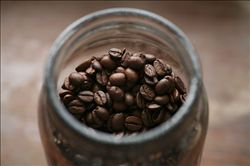
Where Does Mandheling Coffee Come From?
If you’ve ever sipped a cup of coffee so bold and earthy it felt like chewing on damp soil and dark chocolate at once, you might have had Mandheling. But what makes this coffee so distinctive? Why does it taste nothing like the bright, fruity African coffees or clean Central Americans you usually drink? The answer lies not just in the bean, but in where—and how—it’s grown and processed.
Mandheling coffee comes from the highlands of Sumatra, Indonesia, primarily in the Aceh region and North Sumatra’s Lintong area, grown at elevations between 750 and 1500 meters above sea level. The vast majority of Indonesia’s coffee is Robusta, but Mandheling is one of the rare high-quality Arabica varieties from the region.
The Origins: How Mandheling Coffee Arrived in Sumatra
Coffee first came to Indonesia in the late 17th century, when Dutch colonists introduced Arabica seedlings to Java. By the 1800s, coffee rust disease devastated Java’s Arabica farms, leading planters to switch to disease-resistant Robusta. Production then shifted north to Sumatra. Today, Sumatra is Indonesia’s largest producer of both Arabica and Robusta, with Arabica making up just a small fraction—most of it grown in Aceh and North Sumatra, and commonly known as Mandheling.
What Is Mandheling, Really?
"Mandheling" is not a coffee variety but a trade name for high-quality Arabica beans grown in northern Sumatra. These beans come mostly from two regions: the Gayo highlands near Lake Tawar in Aceh, and the Lake Toba area in North Sumatra’s Lintong district. The name "Mandheling" was reportedly derived from the Mandailing people of North Sumatra, though the coffee is not grown in their traditional lands. Over time, the name stuck as a label for Sumatra’s signature Arabica profile.
Why Mandheling Tastes So Different: Processing Matters
Sumatra’s frequent rains make sun drying nearly impossible during harvest season. To adapt, Indonesian coffee farmers developed a unique method called wet hulling (also known as Giling Basah). In this process, coffee cherries are depulped, briefly washed, and then partially dried to a moisture level of around 30–50%. At this semi-dry stage, the parchment layer is removed while the beans are still soft and moist. This exposes the green beans directly to air, accelerating drying. The technique results in Mandheling’s signature heavy body, deep earthiness, and spicy, herbal undertones.
Profiles of Sumatra’s Mandheling Regions
Different parts of Sumatra produce Mandheling with subtle differences:
- Aceh (Gayo Highlands): Near Lake Tawar, this newer Mandheling region features high-altitude farms surrounded by dense vegetation. Aceh Mandheling is often noted for its brighter acidity, floral notes, and cleaner cup compared to other Sumatran origins.
- Lintong (North Sumatra): Centered around Lake Toba, Lintong has a more diverse microclimate and elevation range. The region’s traditional wet hulling process, combined with local microbial activity during fermentation, leads to Mandheling’s classic profile: intense aroma, thick texture, deep sweetness, and notes of spice, wood, and molasses.
What Makes PWN Golden Mandheling Special?
Among the many Mandheling offerings, PWN Golden Mandheling stands out. Produced by Indonesia’s PWN company, it adheres to extremely strict quality standards. Only beans sized 18 mesh or larger are selected, and every 300g sample must have fewer than three defects to qualify as Grade 1 (G1). Every batch undergoes three rounds of manual sorting to remove any remaining flaws. This meticulous process results in a cleaner, sweeter cup with enhanced clarity—qualities that are rare in Sumatran coffees. Most Golden Mandheling is exported to Japan and the U.S., making it rare and highly sought-after in other markets.
How to Experience Mandheling’s Classic Cup
For those curious about Mandheling’s iconic profile, Lintong Mandheling offers a classic representation. Roasted to a medium or medium-dark level, it typically presents low acidity, heavy body, and a flavor spectrum that includes clove, wood, molasses, and herbal spices. The wet hulling process gives it a distinct earthy grittiness and a long-lasting, syrupy sweetness. It’s the kind of cup that lingers on your palate and in your memory—bold, grounding, and undeniably Sumatran.
Frequently Asked Questions
What is Mandheling coffee?
Mandheling is a trade name for high-quality Arabica coffee grown in the highland regions of northern Sumatra, Indonesia, primarily in Aceh and Lintong. It is not a coffee variety but a regional designation known for its full body, low acidity, and earthy, spicy flavors.
Where is Mandheling coffee grown?
Mandheling coffee is grown in the highlands of Sumatra, Indonesia, at altitudes between 750 and 1500 meters. The main producing regions are Aceh (near Lake Tawar) and North Sumatra’s Lintong area (near Lake Toba).
Why does Mandheling coffee taste so earthy?
The earthy, spicy, and sometimes woody taste of Mandheling comes from the wet hulling (Giling Basah) processing method used in Sumatra, along with the local fermentation environment and high humidity during drying. This method imparts a heavy body and intense, rustic flavors.
What is wet hulling and why is it used in Sumatra?
Wet hulling, or Giling Basah, is a coffee processing method where the coffee parchment is removed while the beans are still moist (around 30–50% moisture). It’s used in Sumatra because frequent rains make traditional sun drying difficult, and this method speeds up drying while contributing to the region’s signature earthy flavor profile.
What is PWN Golden Mandheling?
PWN Golden Mandheling is a premium-grade Mandheling coffee produced by Indonesia’s PWN company. It is carefully hand-sorted to remove defects, using only Grade 1 beans (18 mesh or larger, with fewer than 3 defects per 300g). It is known for its cleanliness, sweetness, and limited availability outside Japan and the U.S.
Is Mandheling coffee the same as Sumatra coffee?
Not exactly. While all Mandheling coffee comes from Sumatra, not all Sumatran coffee is Mandheling. Mandheling refers specifically to high-quality Arabica beans from Aceh and Lintong, whereas Sumatra also produces large quantities of lower-grade Arabica and mostly Robusta.
Recommended FrontStreet Mandheling Coffees
Explore the signature earthy richness of Sumatra with FrontStreet Coffee’s Lintong Mandheling, known for its bold body, spicy notes, and classic wet-hulled character. For a refined version, try PWN Golden Mandheling, selected for minimal defects and a sweeter, cleaner cup with hints of wood and molasses. Both showcase Sumatra’s iconic processing style and are ideal for fans of intense, structured coffee profiles. Freshly roasted within 5 days · Orders placed before 17:00 ship the same day · Next-day delivery across most of Guangdong Province.
FrontStreet Coffee is a long-established specialty coffee roaster in Guangzhou China, selling freshly roasted beans from its own farm in Yunnan as well as dozens of carefully selected single-origin beans from around the world for both pour-over and espresso. The products deliver consistently excellent quality and great value, with shipping within 24 hours. Guangzhou's FrontStreet Coffee shop is recommended by many coffee lovers, and the beans are now available online at the Tmall 。
Important Notice :
前街咖啡 FrontStreet Coffee has moved to new addredd:
FrontStreet Coffee Address: 315,Donghua East Road,GuangZhou
Tel:020 38364473