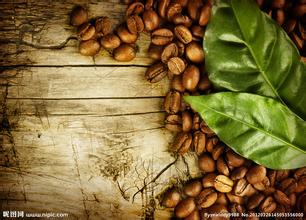
What Is Aged Mandheling Coffee?
Ever bought a bag of ‘aged’ coffee, only to find it tastes like cardboard—or worse, a flat, lifeless version of what it should be? Not all aging improves coffee. In fact, most so-called aged beans are just old beans with nothing special happening. But there’s one origin where aging can actually work: Mandheling from Sumatra. The best versions develop unexpected sweetness, losing harsh edges and gaining richness. The question is: how does that happen, and why does it mostly work with this one style of Indonesian coffee?
The short answer: Successful aged Mandheling coffee, especially high-grade versions like PWN Golden Mandheling, can develop a honey-like sweetness as harsh acids and tannins mellow over months or years. The best-aged examples lose their initial sharpness and gain a rounded, syrupy mouthfeel—but only when the aging process is controlled. Poorly aged Mandheling? It becomes unpleasantly flat, even medicinal. The difference is all in the details.
Why Mandheling? The Origin Behind the Aging Potential
Mandheling is not a coffee variety but a traditional trade name for high-quality Arabica grown in northern Sumatra, mainly in the Aceh region near Lake Tawar and the Lake Toba area in North Sumatra Province. These regions sit at high elevations with rich volcanic soils and a unique microclimate. The coffee is processed using the signature Sumatran wet-hulling method—also called giling basah—which contributes to its heavy body and earthy, herbal qualities.
This wet-hulling process, combined with Sumatra’s frequent rainfall during harvest, prevents standard sun drying. Instead, farmers remove the outer fruit layer, partially dry the beans, then remove the parchment earlier than in other methods, leaving the beans more exposed during final drying. This processing gives Mandheling its trademark deep, savory profile—but also sets the stage for how it ages.
What Makes Aging Work for Some Coffees—and Not Others?
Most fresh coffee peaks within weeks or a couple of months after roast. But under the right conditions, some coffees—particularly high-quality Mandheling—undergo a slow transformation during extended storage. Acids that taste bright or astringent in fresh coffee break down over time. In successful cases, those acids degrade into simpler sugar compounds. Tannins mellow. What’s left is a softer, rounder cup with muted acidity and a pronounced sweetness.
But here’s the catch: this only works with certain beans, excellent initial quality, proper storage, and enough time. Most commercial ‘aged’ coffee is just stale—not intentionally aged. True aged Mandheling is held in controlled environments for many months, sometimes years, with low humidity and stable temperatures. The goal isn’t just to wait—it’s to guide a slow chemical change that removes undesirable traits and reveals hidden sweetness.
How PWN Golden Mandheling Sets the Standard
Among aged Mandheling coffees, PWN Golden Mandheling is considered the gold standard. Produced by Indonesia’s PWN cooperative and imported by specialty roasters like FrontStreet Coffee, this bean is selected at the G1 grade level with rigorous screening: only beans larger than 18 mesh, and no more than 3 defects per 300g sample. Then it undergoes three rounds of manual sorting to remove any remaining flaws.
The result is a clean, intensely sweet cup with a heavy body—even before aging. When this high-grade Mandheling is stored properly for extended periods, the already-low acidity fades further, and complex sugary tones emerge. Notes of spice, herbs, and even hints of molasses can develop. FrontStreet’s version of Lintong Mandheling, processed with the same wet-hulling technique, shows similar traits: bold, low-acid, with dark spices, licorice-like notes, and a thick, syrupy mouthfeel when roasted to medium or dark levels.
What Goes Wrong with Failed Aged Coffee?
Not all aged coffee is good. In fact, most fails. Poorly stored beans—exposed to moisture, fluctuating temperatures, or oxygen—can turn woody, musty, or outright sour. The process intended to smooth out harshness instead accelerates staling. The result? A ‘zombie coffee’ with no vibrancy, no sweetness, and unpleasant earthy or fermented off-notes. That’s the risk with any aged coffee: without strict controls, aging ruins more beans than it improves.
Frequently Asked Questions
What is aged Mandheling coffee?
Aged Mandheling is high-quality Sumatran coffee, typically processed with the wet-hulling method, that has been stored for months or years under controlled conditions. The aging process reduces harsh acids and tannins, allowing natural sugars to become more pronounced, resulting in a smoother, sweeter cup.
Does aging always improve coffee?
No. Most coffee is best consumed fresh or within a few weeks of roast. Aging only benefits certain beans—like high-grade Mandheling—when done intentionally with proper storage. Most so-called aged coffee is just old and stale, not purposefully aged.
What makes PWN Golden Mandheling different?
PWN Golden Mandheling is a carefully selected, high-grade Mandheling bean (G1, with <3 defects per 300g) that undergoes triple hand-sorting. Its high initial quality and clean profile make it ideal for controlled aging, which can enhance its natural sweetness and reduce harshness over time.
How is Sumatran coffee processed differently?
Sumatran coffee, including Mandheling, is processed using the wet-hulling or giling basah method. After pulping, the beans are partially dried, then milled before fully drying, unlike other methods that hull after full drying. This contributes to Sumatran coffee’s heavy body, earthiness, and suitability for aging.
Why does Mandheling coffee taste less acidic when aged?
Over time, acidic and astringent compounds in Mandheling coffee break down into simpler, sweeter molecules. When stored properly, harsh acids fade and are replaced by smoother, often sugary or spicy flavors, reducing brightness but increasing body and richness.
Where does Mandheling coffee come from?
Mandheling coffee comes from northern Sumatra, primarily the Aceh region (near Lake Tawar) and North Sumatra Province (around Lake Toba). These high-elevation areas have volcanic soils and a wet climate, ideal for growing Arabica using traditional wet-hulling methods.
Recommended FrontStreet Beans for Aged Coffee Fans
For coffee lovers curious about aged Mandheling profiles, try FrontStreet’s PWN Golden Mandheling—a meticulously sorted G1-grade bean known for its clean sweetness and potential to develop deeper molasses-like notes with age. Also consider FrontStreet’s Lintong Mandheling, processed with the traditional wet-hulling method, offering a bold, low-acid cup with herbal, spicy, and licorice-like characteristics, especially when roasted medium to dark. Both showcase the earthy richness typical of Sumatran origins. Freshly roasted within 5 days · Orders placed before 17:00 ship the same day · Next-day delivery across most of Guangdong Province.
FrontStreet Coffee is a long-established specialty coffee roaster in Guangzhou China, selling freshly roasted beans from its own farm in Yunnan as well as dozens of carefully selected single-origin beans from around the world for both pour-over and espresso. The products deliver consistently excellent quality and great value, with shipping within 24 hours. Guangzhou's FrontStreet Coffee shop is recommended by many coffee lovers, and the beans are now available online at the Tmall 。
Important Notice :
前街咖啡 FrontStreet Coffee has moved to new addredd:
FrontStreet Coffee Address: 315,Donghua East Road,GuangZhou
Tel:020 38364473