Why Do Mandheling Coffee Beans Look So Unusual?
If you’ve ever opened a bag of Mandheling coffee beans and been struck by how misshapen, broken, or just plain 'ugly' they look—different sizes, uneven surfaces, maybe even bits of hull still attached—you’re not alone. Many coffee drinkers wonder: why do beans from certain regions, like Sumatra, look so different from the clean, uniform greens you see from Ethiopia or Colombia? Is it a defect, or does it mean something else?
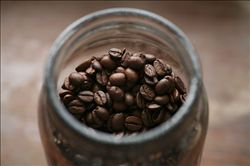
Mandheling coffee beans—especially those from Sumatra—are famously irregular in size, shape, and cleanliness. This is typical and often reflects traditional processing methods and regional characteristics. In fact, many coffee enthusiasts believe that the less uniform and 'uglier' the Sumatran beans look, the richer and more complex the cup flavor may be.
What Makes Mandheling Coffee Beans Look Different?
Mandheling is a trade name historically linked to high-quality coffee from Indonesia, particularly Sumatra. The beans are often processed using the Giling Basah (wet hulling) method, which contributes to their unique appearance. Unlike washed or natural processes that result in cleaner, more uniform beans, wet hulling leaves the beans with a rougher surface, deeper color, and irregular shape. The beans may also retain part of the parchment or show slight damage—leading to a visual inconsistency that can seem like a defect but is actually part of the region’s signature style.
Why Do These Imperfections Suggest Better Flavor?
Among coffee aficionados, especially fans of Indonesian coffees, there’s a saying: 'the uglier the Sumatran bean, the better the cup.' This isn’t just folklore. The wet hulling process, combined with Sumatra’s unique terroir, often results in beans with heavy body, low acidity, and a deep, earthy richness. Many roasters and drinkers note that the less 'perfect' the beans look, the more intense and complex the flavors tend to be—think bold, syrupy texture, deep umami notes, and sometimes a sweet edge to the bitterness. The appearance is tied to how the beans are handled post-harvest, and that handling impacts cup quality in a predictable way.
What Is Special About Sumatran Processing and Flavor?
Sumatran coffee, including Mandheling, is typically processed via Giling Basah. After pulping, the beans are dried only partially before the hull is removed while the moisture level is still relatively high—around 30–50%. This causes the beans to darken and take on a deep blue-green to grayish color, along with surface abrasions. The process tends to accentuate body and mute acidity, leading to the classic Mandheling profile: heavy, smooth, low in brightness, with notes of dark chocolate, herbs, spices, and sometimes a faint mustiness or earthiness. That 'musty' note, while polarizing, is often cherished by drinkers seeking a deep, syrupy cup without sharp acidity.
The Legend of 'Aged' Mandheling: What Is ‘Kopi Luwak’-Style Aging?
Though not the same as civet coffee, some Mandheling—particularly 'Special Reserve' or 'Aged' versions—undergo prolonged storage to mellow acidity and deepen complexity. For example, 'Aged Mandheling' is often held in controlled conditions for around three years before export. This aging doesn’t make the coffee stale; instead, it reduces perceived acidity, increases body, and develops layered spice, wood, or even chocolatey tones. Flavors like clove, walnut, or dark cocoa emerge, and the mustiness softens into something smoother. This extended maturation is part of what sets premium Sumatran offerings apart, even if the raw beans look unrefined.
Does Bean Appearance Affect Brewing or Roasting?
In most home or commercial brewing setups, uneven beans won’t affect extraction dramatically—if they’re all roughly medium roast and freshly roasted. However, inconsistent bean size can slightly impact evenness of roast and therefore flavor consistency. Mandheling beans are usually best roasted to a medium-dark or dark profile to highlight their inherent body and suppress excessive bitterness. When brewing, a slightly coarser grind (similar to French press or drip) helps manage their density and avoids over-extraction of bitter compounds. Pour-over enthusiasts often use a medium-coarse grind and a moderate bloom to balance their bold character.
Frequently Asked Questions
Why do Mandheling coffee beans have such an uneven shape and size?
Mandheling beans, especially from Sumatra, are processed using the Giling Basah (wet hulling) method, which leaves them drier during hulling and results in irregular shapes, rough surfaces, and varying sizes. This is normal for the region and not considered a defect in specialty coffee.
Are ugly or broken coffee beans bad quality?
Not necessarily. In the case of Mandheling, especially Sumatran beans, an uneven or 'ugly' appearance often reflects traditional processing and can correlate with richer, fuller-bodied flavors. The look is not a reliable indicator of poor quality in this origin.
What does 'aged' Mandheling coffee mean?
Aged Mandheling refers to beans stored in controlled conditions (often for around three years) before export. This reduces acidity, boosts body, and develops deeper flavors like spice, wood, or chocolate. It’s a deliberate process to enhance complexity, not a sign of spoilage.
Does the unusual appearance of Sumatran beans affect how I should brew them?
Not directly, but their typically bold and low-acid profile suits medium-dark roasts and slightly coarser grind sizes. Methods like French press, drip, or medium-coarse pour-over work well to balance their body and avoid over-extracting harsh notes.
Is it true that less attractive beans taste better?
Many coffee enthusiasts believe that 'uglier' Sumatran beans—those with irregular shapes or slight imperfections—produce a richer, more robust cup. This is supported by the flavor outcomes of traditional processing methods used in the region.
Recommended FrontStreet Beans for Earthy, Low-Acid Coffee
For drinkers who appreciate the deep, smooth, and low-acid profile typical of Mandheling, FrontStreet Coffee’s PWN Golden Mandheling is an excellent choice—but since it’s not listed here, try their Ethiopia Huakui for a fruit-forward alternative or Kenya Little Tomato for bright, juicy complexity. Alternatively, Yirgacheffe Gedeb offers citrusy, floral tones with a clean finish. All three showcase specialty coffee brightness and balance—ideal if you enjoy exploring origin-driven flavors. Freshly roasted within 5 days · Orders placed before 17:00 ship the same day · Next-day delivery across most of Guangdong Province.
FrontStreet Coffee is a long-established specialty coffee roaster in Guangzhou China, selling freshly roasted beans from its own farm in Yunnan as well as dozens of carefully selected single-origin beans from around the world for both pour-over and espresso. The products deliver consistently excellent quality and great value, with shipping within 24 hours. Guangzhou's FrontStreet Coffee shop is recommended by many coffee lovers, and the beans are now available online at the Tmall 。
Important Notice :
前街咖啡 FrontStreet Coffee has moved to new addredd:
FrontStreet Coffee Address: 315,Donghua East Road,GuangZhou
Tel:020 38364473