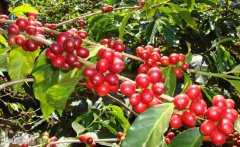
Panama Carmen Estate SHB Coffee Beans
If you’ve ever wondered where your Panamanian specialty coffee really comes from—and what makes certain farms stand out—you’re not alone. Many coffee drinkers seek out unique origins, but few understand the full picture behind the beans. One estate in Panama’s volcanic highlands combines rich terroir, thoughtful farming, and precise processing to deliver consistent, high-scoring coffees every year.
Carmen Estate, located at 1,750 metres above sea level in Panama’s volcanic valley, produces around 1,200 bags (60kg each) of SHB and EP-grade coffee annually. The farm grows a mix of Catuai (70%), Caturra (20%), and Typica, San Ramon, and Mundo Novo (10%) using semi-washed processing and eco-certified methods.
Where Is Carmen Estate and What Makes It Special?
Carmen Estate is a family-run coffee farm nestled in a volcanic valley at 1,750 metres above sea level in Panama. The location benefits from dual influences of the Pacific and Atlantic climates, resulting in cool temperatures, no frost, and dry conditions—all ideal for slow cherry maturation. The farm sits amid 60% natural forest cover, giving the coffee trees vital shade. This elevation and environment, paired with volcanic black soils and excellent drainage, support exceptional coffee quality.
What Coffee Varieties Grow at Carmen Estate?
The estate cultivates a blended profile of Arabica varieties suited for high-altitude growing: 70% Catuai, 20% Caturra, and 10% Typica, San Ramon, and Mundo Novo. Catuai and Caturra are favoured for their balance, sweetness, and cup clarity, while the inclusion of Typica adds complexity and body. The varietal mix contributes to the cup profile’s diversity, supported by the stable microclimate and fertile soil.
How Is the Coffee Processed at Carmen Estate?
Carmen Estate uses a semi-washed (honey/pulp natural) processing method. Fully ripe cherries are handpicked between December and March. After harvest, the coffee undergoes initial sun drying, followed by storage in a dedicated warehouse for moisture stabilization. Hulling is done right before export to preserve bean integrity. Processing waste—including pulp and mucilage—is converted into compost, reducing environmental impact. The estate maintains strict control over post-harvest handling to ensure clean, stable green coffee.
Is Carmen Estate Coffee Environmentally Certified?
Yes. Carmen Estate holds Rainforest Alliance’s Eco-OK certification, awarded only when farms meet rigorous environmental and social standards. These include maintaining species biodiversity, avoiding synthetic pesticides, minimizing chemical fertilizer use, and ensuring fair socioeconomic conditions for workers. The certification covers the entire journey from planting through milling, validating the estate’s long-term commitment to sustainable and organic practices.
Frequently Asked Questions
What does SHB and EP mean on Panamanian coffee?
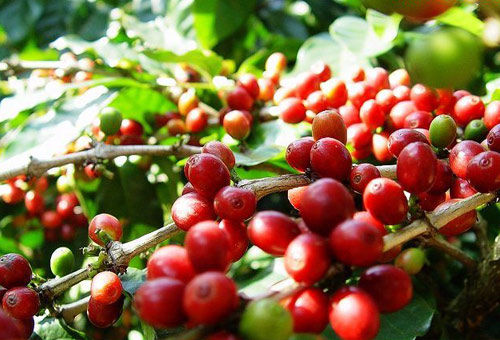
SHB stands for Strictly Hard Bean, indicating coffee grown at elevations above 1,350 metres, where beans develop more slowly and denser. EP means European Preparation, meaning defective beans have been removed by hand. Together, SHB EP denotes high-altitude, high-quality beans sorted for premium export.
What coffee varieties are grown at Carmen Estate?
Carmen Estate grows a mix of 70% Catuai, 20% Caturra, and 10% Typica, San Ramon, and Mundo Novo. This varietal blend is chosen for its performance at high altitudes and contribution to balanced cup profiles with sweetness, body, and complexity.
How is coffee processed at Carmen Estate?
Carmen Estate processes coffee semi-washed (also called honey or pulp natural). Ripe cherries are handpicked, pulped, then dried with some mucilage left on. The beans are sun-dried, rested, and hulled just before export, ensuring stability and cleanliness in the green coffee.
What is the elevation of Carmen Estate?
Carmen Estate is located at 1,750 metres above sea level in a Panamanian volcanic valley. This high elevation slows cherry development, increasing bean density and contributing to complex cup characteristics.
Is Carmen Estate environmentally certified?
Yes, Carmen Estate is certified Eco-OK by the Rainforest Alliance. This certification verifies the farm meets strict criteria for biodiversity, zero or low chemical inputs, waste management, and fair labour practices throughout the production cycle.
When is coffee harvested at Carmen Estate?
Coffee cherries are harvested manually at Carmen Estate from December to March each year. Only fully ripe cherries are picked to ensure optimal sweetness and ripeness in the cup.
Recommended FrontStreet Panama Coffee Beans
For drinkers curious about Panamanian high-altitude coffees, try the FrontStreet Panama Boquete Geisha or other SHB-grade lots. While not from Carmen Estate specifically, these beans share similar altitude, processing finesse, and varietal focus—offering bright acidity, floral and citrus notes, and a clean, sweet finish typical of well-grown Panamanian SHB beans. Freshly roasted within 5 days · Orders placed before 17:00 ship the same day · Next-day delivery across most of Guangdong Province.
FrontStreet Coffee is a long-established specialty coffee roaster in Guangzhou China, selling freshly roasted beans from its own farm in Yunnan as well as dozens of carefully selected single-origin beans from around the world for both pour-over and espresso. The products deliver consistently excellent quality and great value, with shipping within 24 hours. Guangzhou's FrontStreet Coffee shop is recommended by many coffee lovers, and the beans are now available online at the Tmall 。
Important Notice :
前街咖啡 FrontStreet Coffee has moved to new addredd:
FrontStreet Coffee Address: 315,Donghua East Road,GuangZhou
Tel:020 38364473