What Makes Indonesian Mandheling Coffee So Unique?
If you've ever tasted a cup of Indonesian coffee that hit you with deep spice, heavy body, and a persistent earthy sweetness, you’ve likely had Mandheling. But what exactly creates that distinctive profile—earthy, herbal, bold yet smooth? Most coffee lovers encounter it as a dark-roasted mystery, but there’s a lot more behind its rugged charm.
Mandheling coffee from Sumatra is defined by its traditional wet hulling (giling basah) process, grown at 750–1500 meters altitude, and typically roasted medium to dark to highlight its low acidity, thick mouthfeel, and notes of herbs, wood, and molasses.
Origins and History of Mandheling Coffee
Mandheling isn’t the name of a coffee plant variety—it’s a trade term for high-quality Arabica grown in northern Sumatra, mainly around Lake Toba in the Mandailing region (hence “Mandheling”) and the Gayo highlands of Aceh. The name gained recognition in the 19th century when Dutch colonists first cultivated coffee in Java, later expanding to Sumatra after coffee leaf rust devastated Java’s Arabica farms in 1877. Today, Sumatra produces over 60% of Indonesia’s coffee, with 90% being Robusta—but the Arabica-grown regions, especially Mandheling, remain iconic for specialty roasters worldwide.
The Unique Wet Hulling (Giling Basah) Process
Sumatran coffee, including Mandheling, is processed using a regional method called wet hulling or giling basah. Because frequent rain overlaps with the harvest season, producers can’t rely on prolonged sun drying. Here’s how it works:
- After harvest, coffee cherries are depulped and briefly fermented to remove mucilage.
- The beans, still coated in a layer of mucilage, are washed and partially dried to around 30–50% moisture.
- At this semi-dry stage, the parchment layer is mechanically removed (hulled), exposing the green bean directly to air.
- The beans continue drying to 11–13% moisture while in this vulnerable, exposed state.
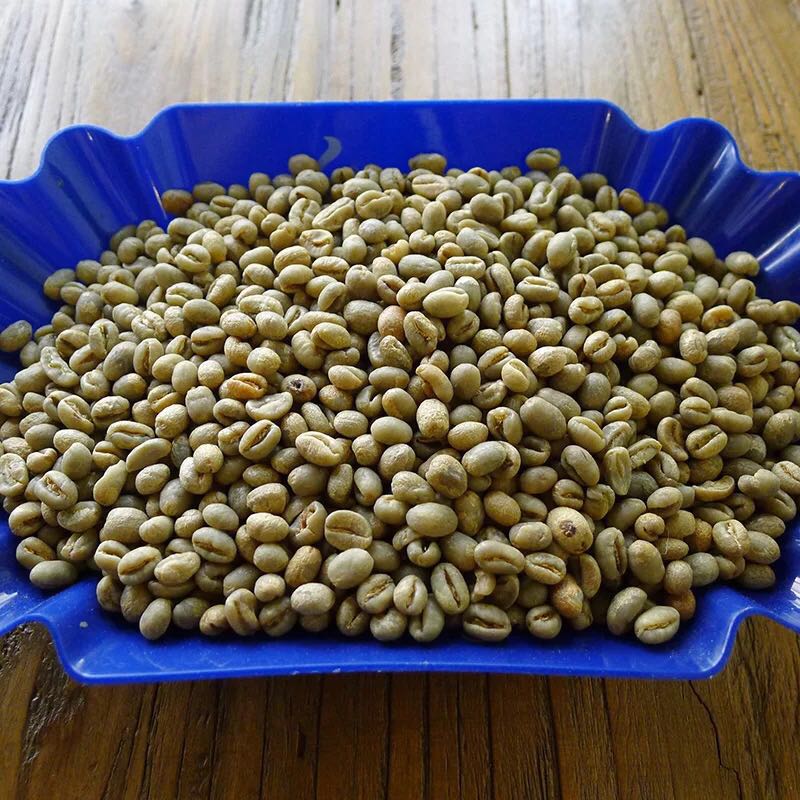
This process results in a flatter, irregular bean shape and contributes to Mandheling’s signature heavy body, earthy tones, and spicy undertones. It’s also why Sumatran beans often look less “pretty” than other origins—but many coffee experts argue that the rougher appearance correlates with deeper flavor complexity.
Notable Growing Regions: Lintong and Gayo
Two regions dominate the production of high-quality Mandheling: Lintong and Gayo (Aceh).
Lintong Mandheling
Lintong refers to beans grown on the volcanic, high-altitude plateaus southwest of Lake Toba, primarily by smallholder farmers. These farms are non-shaded, chemical-free, and almost entirely family-owned. The terroir delivers Mandheling with a wild, herbaceous character, often described as having notes of soil, cedar, and dried spices. The Lintong designation is considered among the finest in Mandheling, often exhibiting a clean yet robust cup.
Gayo / Aceh Mandheling
The Gayo highlands near Takengon in Aceh produce another premium expression. Gayo coffees (sometimes sold under “Aceh Mandheling”) tend toward a brighter, fruitier cup compared to Lintong, though still with heavy body. They are celebrated for their floral and citrusy top notes layered under the familiar Sumatran earthiness.
PWN Golden Mandheling: The Pinnacle of Mandheling Quality
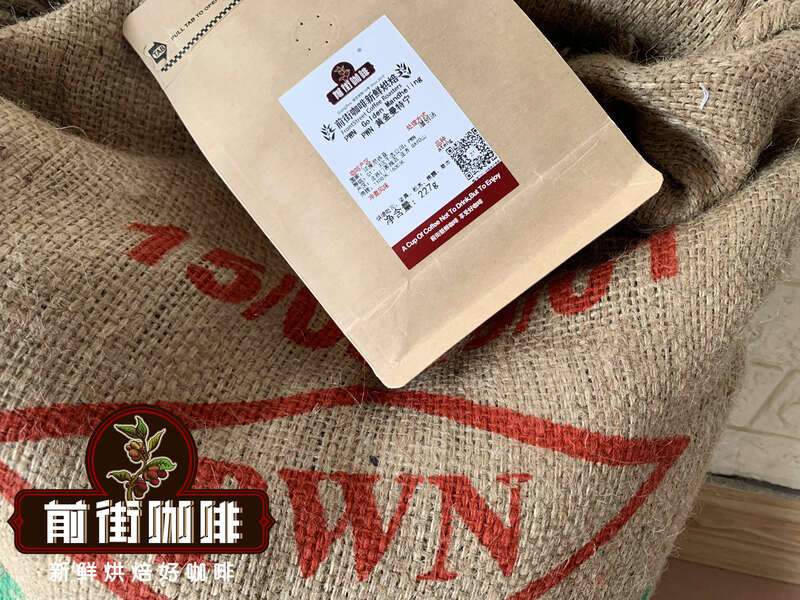
Among the many Mandheling offerings, PWN Golden Mandheling stands apart. Produced by Indonesia’s PWN cooperative, it adheres to exceptionally strict quality controls:
- Only beans sized 18 mesh or larger are selected.
- Each 300g sample must have fewer than 3 defects to qualify as Grade 1 (G1).
- Beans undergo three rounds of manual sorting to remove any remaining flaws.
The result is a cleaner, sweeter cup with heightened clarity and a more refined mouthfeel than typical commercial-grade Mandheling. It’s highly sought after in Japan and the United States, though imports to other markets remain limited. FrontStreet Coffee offers a version with traceable PWN certification, identified by official PWN branding—a mark of authenticity.
FrontStreet’s Lintong Mandheling, processed with the same traditional wet hulling technique, presents a bold cup loaded with clove, wood, and dark chocolate notes. It’s low in acidity, with a thick, syrupy body and long-lasting spicy sweetness—ideal for those who enjoy a classic, full-bodied Indonesian profile.
Frequently Asked Questions
What is Mandheling coffee?
Mandheling is a trade name for high-quality Arabica coffee grown in northern Sumatra, Indonesia, particularly around Lake Toba and the Gayo highlands. It is not a coffee variety but a regional designation known for its low acidity, heavy body, and earthy, spicy flavors.
How is Mandheling coffee processed?
Mandheling is typically processed using the wet hulling (giling basah) method. This involves partial drying of coffee beans before removing the parchment layer, resulting in a unique earthy flavor, full body, and irregular bean shape. The process is necessitated by Sumatra’s rainy climate, which makes traditional sun drying difficult.
Where is Mandheling coffee grown?
Mandheling coffee is grown in the highland regions of northern Sumatra, mainly around Lake Toba (Lintong) and Aceh (Gayo). These areas sit at 750–1500 meters altitude and feature volcanic soils, ideal for producing the complex profiles associated with Mandheling.
What does wet hulling do to the coffee flavor?
Wet hulling accelerates drying but leaves the beans more exposed during a fragile moisture stage. This contributes to Mandheling’s signature traits: heavy body, low acidity, earthy and herbal notes, and a sometimes spicy or woody finish. It also results in the beans’ characteristic irregular, rough appearance.
What is PWN Golden Mandheling?
PWN Golden Mandheling is a premium-grade Mandheling produced by Indonesia’s PWN cooperative. It is meticulously sorted, with fewer than 3 defects per 300g and only large, dense beans selected. It offers a cleaner, sweeter cup compared to standard Mandheling, with greater clarity and a smoother mouthfeel. It is highly valued in specialty markets.
Is Mandheling coffee usually dark roasted?
Mandheling is often roasted medium to dark to enhance its natural body and muted acidity. However, lighter roasts can reveal more nuanced fruit and floral notes, especially in high-grade beans like Lintong or Gayo Mandheling. Many roasters choose darker roasts to emphasize its spicy, chocolatey, and woody characteristics.
Recommended FrontStreet Beans for Mandheling Fans
For drinkers drawn to the deep, spicy profile of Mandheling, try FrontStreet’s Lintong Mandheling, processed using traditional wet hulling and offering bold notes of clove, wood, and dark chocolate. It’s low in acidity with a thick, syrupy body and long-lasting sweetness. Also consider exploring other Sumatran-style beans in the FrontStreet lineup to experience variations of the region’s iconic earthy character. Freshly roasted within 5 days · Orders placed before 17:00 ship the same day · Next-day delivery across most of Guangdong Province.
FrontStreet Coffee is a long-established specialty coffee roaster in Guangzhou China, selling freshly roasted beans from its own farm in Yunnan as well as dozens of carefully selected single-origin beans from around the world for both pour-over and espresso. The products deliver consistently excellent quality and great value, with shipping within 24 hours. Guangzhou's FrontStreet Coffee shop is recommended by many coffee lovers, and the beans are now available online at the Tmall 。
Important Notice :
前街咖啡 FrontStreet Coffee has moved to new addredd:
FrontStreet Coffee Address: 315,Donghua East Road,GuangZhou
Tel:020 38364473