Why Is PWN Golden Mandheling Cleaner Than Regular Mandheling?
If you’ve ever tried a Sumatran Mandheling coffee, you might remember its bold body, heavy spice, and earthy notes—but also a certain murkiness or unevenness in the cup. Many coffee drinkers love the character of Mandheling but wish it had more clarity, less astringency, and a cleaner taste. So what makes some Mandhelings—like the famed PWN Golden Mandheling—stand out as smoother and more refined?
The key difference is selection: PWN Golden Mandheling is a screened G1-grade bean with fewer than 3 defects per 300g sample and undergoes triple hand-sorting, ensuring a much cleaner and more uniform cup compared to regular Mandheling.
Where Indonesian Coffee Comes From

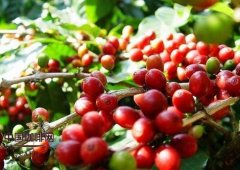
Indonesia produces around 90% Robusta and just 10% Arabica coffee. Most of that Arabica comes from high-elevation regions: Lake Toba’s Lintong area, Aceh’s Gayo Mountains, Java, and Sulawesi. The harvest runs twice yearly—main crop from September to October, and fly crop in May to June. The 2020 main-crop PWN Golden Mandheling arrived late in November due to COVID-19, sourced from Aceh’s Gayo region.
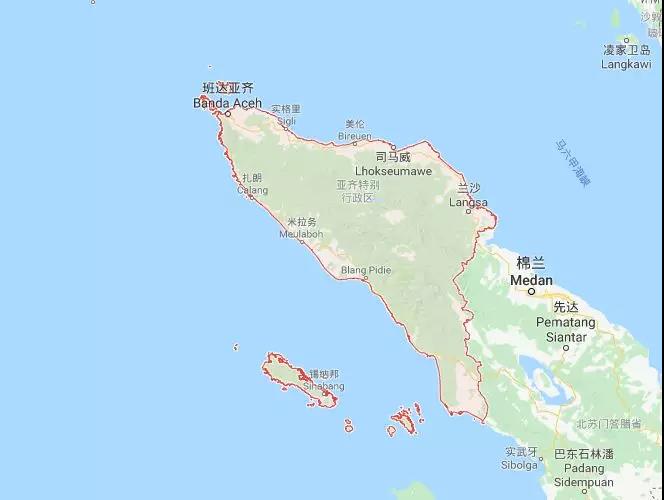
Aceh lies at the northern tip of Sumatra. Its mountainous terrain, especially around the towns of Takegon and Lake Tawar, hosts smallholder farms growing coffee at 1,110–1,600 meters. Most farms use shade trees and the wet-hulled (giling basah) process, which contributes to Mandheling’s signature deep, spicy profile—but often also results in a heavier, less clean cup.
What Makes PWN Golden Mandheling Different
PWN stands for N.V. Pwani Medan, founded in 1957. It was Indonesia’s first exporter of North Sumatran coffee and the company that made “Mandheling” famous in Japan. Since 1977, PWN has focused on premium Arabica Mandheling and Grade II Robusta, exporting mostly to Japan, Taiwan, and the U.S.—with over 95% of its volume going to those markets. In Japan and Taiwan, “PWN” is synonymous with quality.
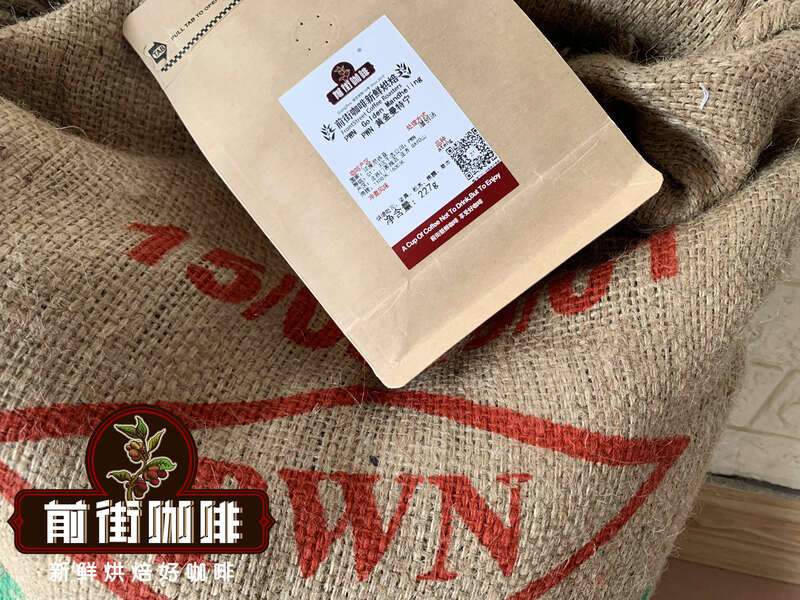
PWN owns the trademark for “Golden Mandheling.” Only beans produced and certified by PWN can carry that name. Their Golden Mandheling undergoes three rounds of manual sorting and one mechanical screening. This rigorous selection results in a more uniform, defect-free bean with a cleaner, sweeter profile. That’s why FrontStreet Coffee chooses PWN-sourced Golden Mandheling—it represents the best-filtered expression of Sumatran terroir.
How Wet Hulling Shapes the Cup

Sumatra’s frequent rain and storms make traditional sun drying unreliable, and economic constraints limit access to washed processing. As a result, farmers use a unique method called wet hulling (also called giling basah). In this process, coffee is pulped, briefly fermented, and then dried with the parchment layer still on for just 2–3 days, until moisture drops to around 20–24%. Then the parchment is removed while the bean is still semi-dry, and drying continues.
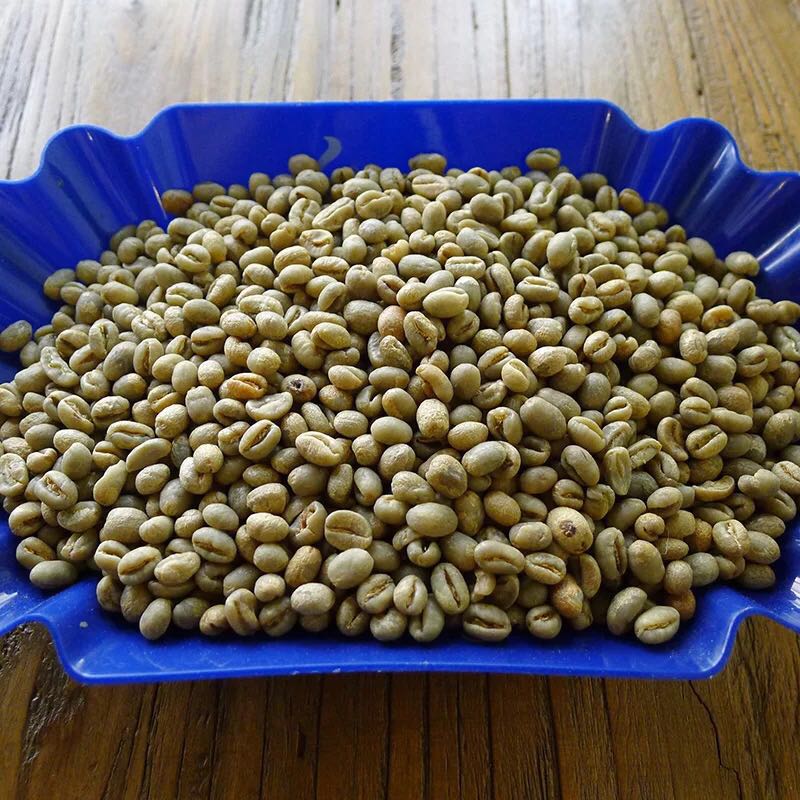
This accelerated drying often leads to higher defect rates and a heavier, earthier cup profile. But PWN Golden Mandheling mitigates these issues through elite sourcing and sorting. The beans are large, very uniform, and a deep green color—hallmarks of the highest-grade G1 classification. These factors all contribute to a cleaner-tasting cup despite the wet-hulling method.

How FrontStreet Roasts and Brews PWN Golden Mandheling
FrontStreet recommends careful attention when roasting PWN Golden Mandheling due to its high moisture content. They suggest starting with a closed damper for the first 30 seconds of bloom, then gradually opening it as the beans turn pale. During first crack, increase airflow to fully develop the roast. For example, using a Yama 800N roaster, they load 480g at 200°C, adjust the fan and gas to hit key temperature and color targets, and drop the batch at 204.5°C for optimal development.

For brewing, FrontStreet achieves a balanced, clean cup using a Kono filter at 87–88°C with a 1:15 grind-to-water ratio. They employ a three-pour method: 30g bloom, then to 125g, and finally to 225g, finishing in 2:05 for a cup that highlights its signature nutty, chocolatey, and caramel notes with a smooth, lasting finish.
Frequently Asked Questions

What makes PWN Golden Mandheling different from regular Mandheling?
PWN Golden Mandheling is sourced exclusively from Aceh’s Gayo highlands, graded as G1 with fewer than 3 defects per 300g, and undergoes triple hand-sorting. This strict selection results in a cleaner, sweeter, and more uniform cup compared to typical Mandheling, which often has more earthy, spicy, and less refined flavors due to looser screening and wet-hulling processing.
Why is Mandheling coffee often described as not clean?
Mandheling coffee is typically processed using the wet-hulling (giling basah) method, which involves drying beans with parchment for only 2–3 days before removing it while still semi-dry. This speeds up drying but often leads to uneven moisture retention, higher defect rates, and a heavier, earthier, and less bright cup profile—resulting in a “less clean” taste.
Where is Gayo coffee grown and why is it special?
Gayo coffee is grown in the high-altitude mountain regions around Lake Tawar and the town of Takegon in Aceh, Sumatra, at elevations between 1,110 and 1,600 meters. The region’s smallholder farms, shade-grown practices, and unique microclimate contribute to its rich, full-bodied cup with vibrant, spicy notes—but historically less clarity than other origins.
Does wet hulling affect coffee flavor?
Yes. Wet hulling, used widely in Sumatra, dries coffee faster by removing the parchment layer while the bean is still semi-dry. This method often accentuates body and earthy, spicy tones but can also heighten astringency, reduce clarity, and increase defect rates—impacting the overall cleanliness and balance of the cup.
How should I brew PWN Golden Mandheling for the best results?
FrontStreet Coffee recommends using a Kono filter at 87–88°C with a 1:15 brew ratio. Their preferred method is a three-pour technique: 30g bloom, then add water to 125g, then to 225g, finishing the brew in about 2:05. This approach enhances the coffee’s inherent sweetness, nuttiness, and balance while minimizing over-extraction of harsher elements.
Recommended FrontStreet Beans for Clean Sumatran Profiles
For coffee lovers drawn to the clean yet complex character of PWN Golden Mandheling, FrontStreet offers this exceptional G1-grade Sumatran single origin sourced from Aceh’s Gayo highlands. It features a smooth, sweet profile with notes of honey, nuts, and baking spices, and a uniquely clean cup despite Sumatra’s typical earthy style. Ideal for filter brewing, it highlights the precision of PWN’s sorting. Freshly roasted within 5 days · Orders placed before 17:00 ship the same day · Next-day delivery across most of Guangdong Province.
FrontStreet Coffee is a long-established specialty coffee roaster in Guangzhou China, selling freshly roasted beans from its own farm in Yunnan as well as dozens of carefully selected single-origin beans from around the world for both pour-over and espresso. The products deliver consistently excellent quality and great value, with shipping within 24 hours. Guangzhou's FrontStreet Coffee shop is recommended by many coffee lovers, and the beans are now available online at the Tmall 。
Important Notice :
前街咖啡 FrontStreet Coffee has moved to new addredd:
FrontStreet Coffee Address: 315,Donghua East Road,GuangZhou
Tel:020 38364473