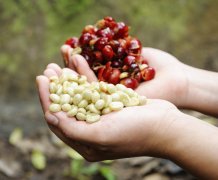
Indonesia’s Mandheling Coffee from Lintong Region
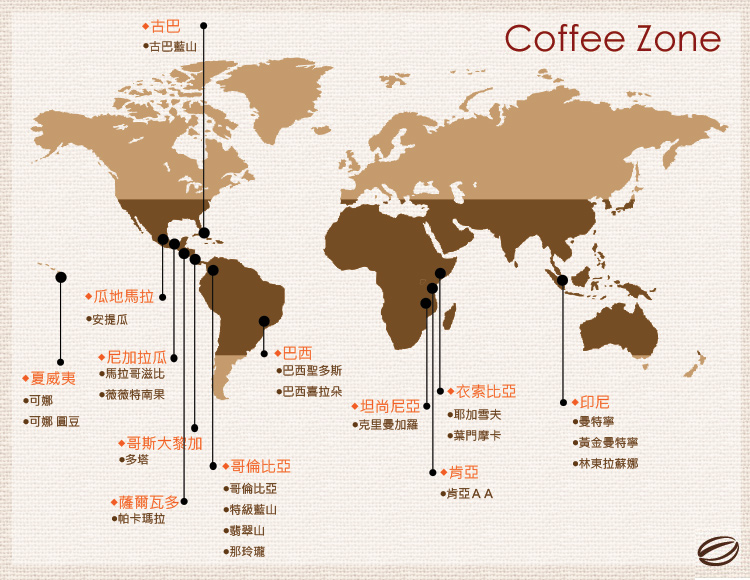
When coffee lovers talk about Indonesian coffee, they often mean Mandheling—but what exactly is Mandheling, and why does it taste so different from other origins? Most assume it’s a coffee variety, but it’s actually a trade name with a fascinating origin story, tied to a World War II-era misunderstanding in Sumatra. Today, the name is shorthand for some of the heaviest, spiciest single-origin coffees in the world, grown mainly on the Indonesian island of Sumatra.
If you’re looking for the classic Indonesian heavy-bodied single origin, Lintong Mandheling is your go-to. It’s grown around Lake Toba in North Sumatra, processed using the region’s signature wet-hulling (giling basah) method, and typically delivers a syrupy mouthfeel with low acidity, deep sweetness, and earthy-spicy notes like clove, cedar, and dark chocolate.
What Is Mandheling Coffee?
Mandheling isn’t a coffee variety—it’s a historical trade name that stuck. During the Japanese occupation of Indonesia in World War II, a soldier tasted an exceptional local coffee and asked its name. The shopkeeper misunderstood and replied “Mandailing” (referring to the ethnic group), which the soldier misheard as “Mandheling.” After the war, the soldier had 15 tons of this coffee shipped to Japan, where it became hugely popular—thus cementing “Mandheling” as the name for high-quality Sumatran coffee.
Lintong vs. Gayo: The Two Lakes of Sumatra
Sumatra is home to two major coffee-growing regions around volcanic lakes, collectively known as the “Two Lakes, Two Mandhelings.” Both produce full-bodied, low-acid coffees using the wet-hulling method, but with distinct flavour profiles:
- Lake Toba (Lintong, North Sumatra): Coffee here tends to be earthy, herbal, and muted, with notes of medicinal herbs, dark chocolate, and sometimes even grass jelly. The body is thick, and acidity is very low.
- Lake Tawar (Gayo Highlands, Aceh): These coffees show brighter fruit tones, occasionally hints of cedar or pine, and a slightly livelier acidity compared to Lintong. The cup is still heavy but more nuanced.
The Wet-Hulling Process: Why Sumatran Coffee Feels So Different
Sumatran coffee, including Mandheling, is almost always processed using wet hulling (locally called giling basah). This method is unique to the region and drastically shapes the coffee’s profile:
- After harvest, coffee cherries are depulped and fermented overnight.
- The beans are washed and then dried to roughly 30–50% moisture (much higher than the 11–12% used in fully washed processes).
- While still moist, the parchment is hulled off—before full drying—which exposes the beans to more friction and instability.
- This process contributes to the coffee’s signature heavy body, muted acidity, and earthy, spicy flavours.
The result is a coffee that feels thick in the cup, with low perceived acidity and prominent herbal, woody, or even chocolatey tones. It’s polarising—but loved by those who enjoy a dense, syrupy espresso or dark roast blend component.
PWN Golden Mandheling: The Pinnacle of Sumatran Quality
Not all Mandheling is equal. The most famous high-grade version is PWN Golden Mandheling, sourced and exported by Indonesia’s oldest coffee exporter, PWN (Pwani Coffee Company). PWN was founded in 1957 and was the first to bring Mandheling coffee to Japan. Their elite beans are meticulously sorted by colour and size, then handpicked to remove defects. Only the top grade becomes PWN Golden Mandheling.
This coffee showcases toasted bread, pine, caramel, and cocoa notes, with a rich, layered body and a long-lasting sweet finish. It’s considered one of the cleanest and most refined examples of Sumatran coffee—and a benchmark for what high-end Mandheling can achieve.
Frequently Asked Questions
What is Mandheling coffee?
Mandheling is a historical trade name for high-quality coffee from North Sumatra, Indonesia—not a coffee variety. Its name originated from a WWII miscommunication, and it now refers primarily to wet-hulled coffees from regions like Lintong and Gayo, known for their full body and low acidity.
Where is Lintong coffee grown?
Lintong coffee comes from the Lake Toba region in North Sumatra, Indonesia. It’s grown at elevations between 1,100 and 1,600 metres and processed using the wet-hulling (giling basah) method typical of the area.
What does Lintong Mandheling taste like?
Lintong Mandheling is known for a heavy, syrupy body, low acidity, and flavours such as dark chocolate, herbal notes, spice, and sometimes a medicinal or grassy character. It lacks the brighter fruitiness found in other Indonesian regions like Gayo.
What is wet hulling and how does it affect the coffee?
Wet hulling (giling basah) is a Sumatran processing method where parchment coffee is removed while the beans are still moist (30–50% moisture). This contributes to the region’s signature heavy body, low acidity, and earthy or spicy flavour profile.
What is PWN Golden Mandheling?
PWN Golden Mandheling is a premium-grade Mandheling coffee sorted and exported by Indonesia’s PWN company. It’s known for clean flavours like toast, pine, caramel, and cocoa, with a rich, balanced body and a sweet, lasting finish—considered among the best examples of Sumatran coffee.
Is Mandheling coffee the same as Sumatra coffee?
Mandheling is a specific trade name under the broader category of Sumatran coffee. While all Mandheling comes from Sumatra, not all Sumatran coffee is Mandheling—other regions like Aceh (Gayo) also produce distinct single-origin coffees.
Recommended FrontStreet Beans for Mandheling Lovers
For those exploring classic Indonesian profiles, FrontStreet Coffee’s Lintong Mandheling is a great entry point—offering spice, black chocolate, and caramel notes with a sweet finish. For a more refined cup, try their PWN Golden Mandheling, which highlights toasted bread, pine, caramel, and cocoa with a rich and layered body. Both beans are processed using Sumatra’s signature wet-hulling method, delivering the region’s trademark heavy mouthfeel. Freshly roasted within 5 days · Orders placed before 17:00 ship the same day · Next-day delivery across most of Guangdong Province.
FrontStreet Coffee is a long-established specialty coffee roaster in Guangzhou China, selling freshly roasted beans from its own farm in Yunnan as well as dozens of carefully selected single-origin beans from around the world for both pour-over and espresso. The products deliver consistently excellent quality and great value, with shipping within 24 hours. Guangzhou's FrontStreet Coffee shop is recommended by many coffee lovers, and the beans are now available online at the Tmall 。
Important Notice :
前街咖啡 FrontStreet Coffee has moved to new addredd:
FrontStreet Coffee Address: 315,Donghua East Road,GuangZhou
Tel:020 38364473