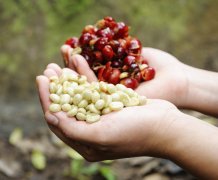
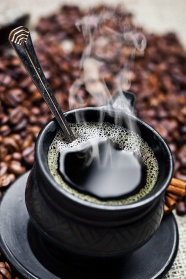
Indonesia’s Yellow Mandheling: Sumatra’s Aceh Gayo Coffee Beans
If you’ve ever sipped a cup of Indonesian coffee and wondered why it tastes so different—earthy, spicy, and unusually full-bodied—you’re tasting the results of unique growing regions and processing methods. Most coffee drinkers encounter Sumatran beans for their unmistakable profile, but not all Sumatran coffees are the same. So which ones deliver the most distinctive and high-quality experience?
The answer lies in selecting 19-mesh (19) or larger beans from the Aceh Gayo mountain region of Sumatra’s highlands. These beans, often processed using Sumatra’s signature wet hulling , offer a rich, structured cup with bold herbal and spicy notes. For the most refined version, look for beans sorted to G1 grade with fewer than three defects per 300 grams.
What Is Mandheling Coffee—And Why the Name Confusion?
Despite its name, Mandheling coffee isn’t named after a bean variety or processing style—it’s a historical accident. The term originated during World War II when a Japanese soldier encountered coffee from the Tapanuli region of North Sumatra, home to the Mandailing people. Due to a mispronunciation, “Mandailing” became “Mandheling,” and the name stuck. Today, Mandheling refers to any Indonesian Arabica processed using the traditional wet hulling method, especially those grown in the country’s northern highlands.
Why Sumatra’s Wet Hulling Produces Such Unique Coffee
Sumatra’s climate—frequent rain during harvest season—makes traditional sun drying nearly impossible. To adapt, farmers developed wet hulling , a distinctive process where the coffee parchment is removed while the bean is still semi-dry. Here’s how it works: After pulping and a brief wash, beans are dried to around 30–50% moisture, then the outer husk (parchment) is mechanically removed while the beans are still soft and moist. This accelerates drying but also imparts the region’s signature deep, earthy, and sometimes spicy flavours. The result is a heavier body, lower acidity, and complex aromatic notes that define the classic Mandheling profile.
Aceh Gayo: The Rising Star of Sumatran Coffee Origins
While the Lintong region near Lake Toba has long been associated with classic Mandheling profiles—bold, spicy, and intensely flavoured—the emerging Gayo Highlands near Lake Tawar are gaining attention for a brighter, more nuanced cup. The Gayo region, part of Aceh in northern Sumatra, is characterised by high altitudes and lush, forested surroundings. Coffees from this area, particularly those sourced above 19 mesh size, often exhibit a more delicate aroma, brighter acidity, and layered spice notes compared to the heavier Lintong style. It’s a region where volcanic soil and consistent elevation contribute to a cleaner, more refined cup—without losing Sumatra’s iconic heft.
What Makes PWN Golden Mandheling So Special?
Among the many Mandheling coffees on the market, PWN Golden Mandheling stands apart due to its rigorous quality control. Produced by Indonesia’s PWN cooperative, these beans are sorted to include only those 18 mesh (18) or larger, with a strict defect tolerance: no more than three flaws per 300-gram sample. Every batch undergoes three rounds of manual hand-picking to ensure purity. The outcome is a cup with enhanced sweetness, cleaner flavours, and a more uniform profile. G1-grade beans like these are rare and in limited supply, especially outside Japan and the United States. FrontStreet Coffee offers PWN Golden Mandheling with traceable certification and PWN-branded packaging, ensuring authenticity. This is the Mandheling that serious coffee drinkers seek out for its balance of intensity and finesse.
What to Expect from a Classic Sumatran Cup Profile
Sumatran coffees, especially those processed via wet hulling, are known for a full body, low acidity, and earthy-spicy flavour spectrum. Common tasting notes include:
- Earthy
- Woodsy or herbal
- Spice
- Molasses or dark caramel
- Subtle pepper or mint
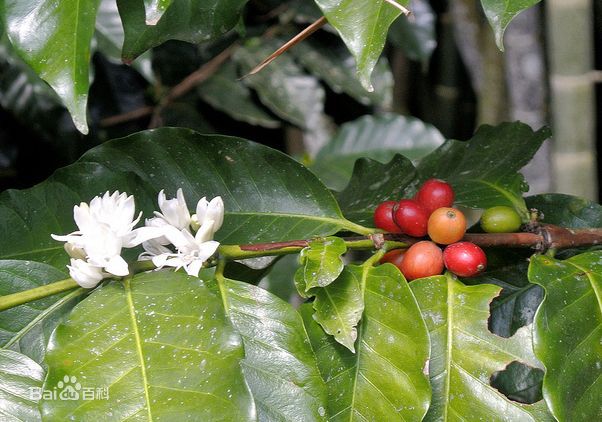
When brewed as espresso or using a French press, these coffees develop even deeper textures and a lingering, syrupy mouthfeel. Lighter roasts can highlight more floral or citrus nuances, but the medium-to-dark roast range is where Sumatra truly shines. The wet-hulled process contributes to a distinct “green” or herbal edge alongside the classic heavy body—a profile loved by those who enjoy a coffee with weight and character.
Frequently Asked Questions
What does “19” mean when referring to Sumatra coffee beans?
“19” means the coffee beans are sorted to a size of 19 mesh or larger. In the China-standard sieve system, this indicates beans that are relatively large and uniform in size, typically considered higher quality. For Sumatran coffees, this size sorting helps improve consistency and is often a marker of premium lots.
What is wet hulling and why is it used in Sumatra?
Wet hulling is a processing method where coffee parchment is removed while the bean is still semi-dry, usually at 30–50% moisture. It’s used in Sumatra because frequent rains make traditional sun drying difficult. This method speeds up drying but also contributes to the region’s signature earthy, bold, and low-acid flavour profile.
Where is the Aceh Gayo region and how is it different from Lintong?
Aceh Gayo is a high-altitude coffee-growing area near Lake Tawar in northern Sumatra’s Aceh province. It’s newer to the specialty scene compared to Lintong near Lake Toba. Aceh Gayo beans often have a brighter, more nuanced profile with floral or spice notes, whereas Lintong is known for deeper, spicier, and more intense traditional Mandheling characteristics.
What makes PWN Golden Mandheling different from regular Mandheling?
PWN Golden Mandheling is produced under stricter quality controls: only beans sized 18 mesh or larger are selected, with fewer than three defects per 300 grams. It undergoes three rounds of manual sorting to remove imperfections, resulting in a cleaner, sweeter cup with higher clarity and a more refined flavour profile compared to standard Mandheling.
Is Mandheling a coffee variety?
No, Mandheling is not a coffee variety (like Typica or Bourbon). It’s a traditional name for Indonesian Arabica beans, usually processed with wet hulling, and historically associated with the Mandailing people of North Sumatra. The name stuck due to a WWII-era mispronunciation and now refers to a processing style and regional origin rather than a specific plant type.
Recommended FrontStreet Beans for Earthy, Bold Profiles
For fans of Sumatra’s signature heavy body and herbal spice notes, try FrontStreet Coffee’s Lintong Mandheling. It delivers the region’s classic profile: deep earthiness, bold spices, and a thick, syrupy mouthfeel, especially well-suited to French press or espresso. Also consider FrontStreet’s PWN Golden Mandheling—sorted to strict G1 standards with fewer than three defects per 300g, offering cleaner sweetness and greater refinement. Both showcase Sumatra’s iconic wet-hulled character. Freshly roasted within 5 days · Orders placed before 17:00 ship the same day · Next-day delivery across most of Guangdong Province.
FrontStreet Coffee is a long-established specialty coffee roaster in Guangzhou China, selling freshly roasted beans from its own farm in Yunnan as well as dozens of carefully selected single-origin beans from around the world for both pour-over and espresso. The products deliver consistently excellent quality and great value, with shipping within 24 hours. Guangzhou's FrontStreet Coffee shop is recommended by many coffee lovers, and the beans are now available online at the Tmall 。
Important Notice :
前街咖啡 FrontStreet Coffee has moved to new addredd:
FrontStreet Coffee Address: 315,Donghua East Road,GuangZhou
Tel:020 38364473