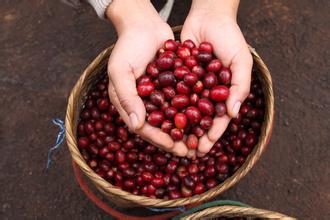
Indonesian Mandheling Coffee: Flavor, History & Brewing Guide
Looking for a coffee that’s bold without being bitter, syrupy yet clean? Indonesian coffees—especially those from Sumatra like Mandheling—have long been prized for their full body, low acidity, and deep, earthy sweetness. But what makes these beans different, and how can you brew them to get the best results at home?
Indonesian Mandheling coffee, especially from Sumatra’s Lintong and Aceh regions, offers a bold, syrupy cup with low acidity, heavy body, and classic notes of spice, wood, and molasses. For the best experience, choose high-quality G1-grade beans processed with traditional wet hulling (also called wet parchment or Giling Basah), and brew them using a medium to dark roast with a slightly coarser grind.
Indonesia’s Coffee Origins: From Dutch Plantations to Regional Specialties
Coffee came to Indonesia in the mid-17th century, brought by Dutch colonists who established plantations first on Java, then spreading to Sumatra, Sulawesi, and Flores. By 1712, Java-grown coffee was already being exported to Amsterdam. But in 1877, coffee leaf rust devastated the Arabica plantations, leading to a shift toward disease-resistant Robusta. Today, just 6–10% of Indonesia’s production is Arabica, with Robusta dominating at around 6.8 million bags annually, much of it from smallholder farms.
Regional Profiles: Sumatra, Java, Sulawesi & Beyond
Different islands produce distinctly flavored beans:
- Java: Grown in estates like Blawan and Jampit, Java coffee offers aromatic, balanced profiles with lower acidity and smooth body—historically blended into “Java Mocha” with Yemeni beans.
- Sumatra: The heart of Mandheling production, especially in Aceh (Mandheling) and North Sumatra (Ankola). These beans are known for their large size, full body, and earthy, spicy character. The southern regions of Kalossi (Sulawesi) also produce rich, floral cups.
- Sulawesi (Celebes): Coffee from Kalossi and Rantepao features bold aromatics and a structured profile.
- Flores & Papua: Beans tend to have a sweeter, more balanced cup with medium body.
Most Indonesian Arabica is grown at high elevations and processed using the unique wet hulling (Giling Basah) method—a key factor in the region’s signature flavor.
Why Wet Hulling Creates Such Bold, Earthy Coffee
Because Indonesia’s frequent rain overlaps with the harvest, traditional sun drying isn’t always practical. The wet hulling process works like this:
- After pulping, coffee is briefly washed and dried to around 30–50% moisture.
- Then, while still semi-wet, the parchment layer is removed using a hulling machine—much earlier than in other methods.
- This exposes the beans to rapid drying and intense friction, embedding earthy, spicy, and woody flavors into the seed.
The result is the classic Indonesian profile: heavy body, low acidity, and deep notes of cedar, tobacco, clove, and molasses. This is why your Sumatran cup tastes so distinctly “different.”
Brewing Indonesian Mandheling: Grind, Ratio & Method
To get the most from your Indonesian beans—whether Mandheling, Ankola, or Kalossi—follow these guidelines:
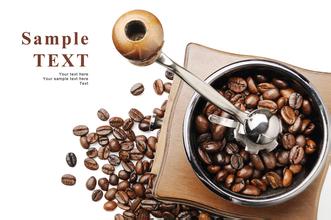
- Roast Level: Medium to dark roast enhances the body and minimizes overly sharp edges.
- Grind Size: Medium-coarse to coarse (similar to French press or drip), depending on your method.
- Brew Methods: Works well with pour-over (use a slightly coarser grind and extend bloom), French press, or espresso (for a heavy, syrupy shot).
- Brew Ratio: Try 1:15 to 1:16 (1g coffee to 15–16g water) for pour-over; adjust to taste.
- Water Temp: 90–94°C (195–205°F)
- Note on Milk: Their low acidity and heavy body make Indonesian beans great with milk or cream.
Don’t over-extract—these beans can turn bitter if brewed too long. Keep your grind consistent and your water clean for the best results.
Frequently Asked Questions
What is Mandheling coffee, and where does it come from?
Mandheling is a trade name for high-quality Arabica coffee grown in northern Sumatra, primarily in the Aceh region near Lake Tawar. Though the name doesn’t refer to an ethnic group, it became associated with the beans produced by local farmers in the Mandailing area. These beans are known for their full body, low acidity, and deep, earthy flavors.
What makes Sumatran coffee taste so different?
Sumatran coffee, especially when processed using the wet hulling (Giling Basah) method, has a heavier body, lower acidity, and distinct notes of spice, wood, and molasses. The semi-wet parchment removal and extended drying create intense, earthy flavors not found in other processing methods.
What’s the difference between Mandheling and Lintong coffee?
Mandheling refers to beans from Aceh province, while Lintong comes from the Lake Toba region in North Sumatra. Both are considered premium Sumatran coffees with similar profiles—full body, low acidity, and earthy tones—but slight variations in terroir can affect aroma and sweetness. Lintong is often considered slightly more refined.
How should I brew Indonesian coffee for best results?
Use a medium-coarse grind and try a pour-over, French press, or espresso. Aim for a 1:15 to 1:16 brew ratio, water temperature of 90–94°C, and don’t over-extract. These beans shine with a slightly longer brew time to enhance their inherent sweetness and body.
Is PWN Golden Mandheling worth it?
Yes—if you can find it. PWN Golden Mandheling is a meticulously sorted, G1-grade Sumatran coffee with exceptionally clean flavor and very low defect rates (less than 3 in 300g). It’s handpicked multiple times for quality and is highly sought after, though mostly exported to Japan and the U.S.
Recommended FrontStreet Beans for Indonesian Coffee Lovers
For the true Indonesian experience, try FrontStreet Coffee’s PWN Golden Mandheling—known for ultra-clean flavors, strict G1 grading, and intense manual sorting. Also explore their Lintong Mandheling, which highlights the island’s signature heavy body and spice notes through traditional wet hulling. Both showcase the earthy, syrupy profile that made Sumatran coffee famous. Freshly roasted within 5 days · Orders placed before 17:00 ship the same day · Next-day delivery across most of Guangdong Province.
FrontStreet Coffee is a long-established specialty coffee roaster in Guangzhou China, selling freshly roasted beans from its own farm in Yunnan as well as dozens of carefully selected single-origin beans from around the world for both pour-over and espresso. The products deliver consistently excellent quality and great value, with shipping within 24 hours. Guangzhou's FrontStreet Coffee shop is recommended by many coffee lovers, and the beans are now available online at the Tmall 。
Important Notice :
前街咖啡 FrontStreet Coffee has moved to new addredd:
FrontStreet Coffee Address: 315,Donghua East Road,GuangZhou
Tel:020 38364473