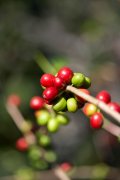
What Makes Salvadoran Coffee Beans Unique?
When coffee drinkers seek a mild yet complex cup, they often turn to Central American origins—but not all are created equal. If you’ve ever tasted a smooth, well-balanced coffee with subtle acidity and clean sweetness, there’s a good chance it came from a lesser-known origin: El Salvador. But what makes Salvadoran coffee beans stand out in a region crowded with heavyweights like Guatemala and Costa Rica? The answer lies in both terroir and history.
Salvadoran coffee is known for its exceptional balance, making up 40% of the country’s total coffee exports. The best-quality beans are harvested between January and March, with 35% of Strictly Hard Bean (SHB) grade coffee exported to Germany.
Origins and Historical Challenges
El Salvador is one of the smaller, densely populated countries in Central America. Its coffee industry faced major setbacks during the guerrilla warfare of the 1980s and early 1990s. Production plummeted from 3.5 million bags in the early 1970s to just 2.5 million bags by 1990–1991. The eastern regions were hardest hit, with farmers displaced and farms abandoned. Coffee yields fell from 1,200 kg per hectare to under 900 kg due to funding shortages and disrupted infrastructure.
The government also imposed a 15% export tax on top of the existing 30% in 1986, discouraging investment and reducing coffee quality. By the early 1990s, the sector began recovering after partial privatization aimed at improving returns for exporters and reviving the industry’s role in employment and foreign exchange.
Flavor Profile and Processing
Salvadoran coffee is typically light-bodied, aromatic, clean, and mildly acidic—traits it shares with coffees from Guatemala and Costa Rica. Like its neighbors, El Salvador grades its coffee by altitude: the higher the elevation, the better the cup quality. The best-known Salvadoran coffee brand is Pipil, named after the Aztec-Mayan word for coffee. This variety has earned organic certification from the Organic Certified Institute of America.
The country’s coffee is described as having a delicate profile: light in body, pure in aroma, mildly acidic, and pleasantly fragrant. These characteristics make it approachable for a wide range of coffee drinkers while still offering enough nuance for specialty enthusiasts.
Rare Varietals: Pacamara
One of El Salvador’s most distinctive contributions to the specialty coffee world is the Pacamara variety. A hybrid of Pacas and Maragogype, Pacamara beans are known for their large size and unique cup profile. The finest examples are grown in the western part of the country, near the border with Guatemala, particularly around Santa Ana.
Pacamara coffee is celebrated for its big, round beans, though its aroma tends to be more restrained compared to other bold types. Despite this, it remains a sought-after varietal for those exploring rare and distinctive flavor expressions in Central American coffees.

Frequently Asked Questions
What is special about Salvadoran coffee beans?
Salvadoran coffee beans are known for their excellent balance, mild acidity, and clean, aromatic profile. They make up 40% of the country’s coffee exports and are often harvested between January and March, with high-quality Strictly Hard Bean (SHB) grades being exported primarily to Germany.
What is the Pipil coffee variety?
Pipil is a well-known coffee brand from El Salvador, derived from the ancient Aztec-Mayan word for coffee. It is recognized for its high quality and has been certified organic by the Organic Certified Institute of America.
Where is the best coffee grown in El Salvador?
The highest quality Salvadoran coffee is grown at higher altitudes, particularly in regions like Santa Ana in the west. The best harvest period is between January and March.
What is Pacamara coffee and where is it from?
Pacamara is a hybrid coffee variety from El Salvador, created by crossing Pacas and Maragogype. It produces large beans and is mainly cultivated in the western part of the country, close to the Guatemalan border, with some of the best examples coming from near Santa Ana.
How did conflict affect El Salvador’s coffee production?
Guerrilla warfare in the 1980s and early 1990s severely damaged El Salvador’s coffee industry. Production dropped from 3.5 million bags in the 1970s to 2.5 million by 1990–1991, and yields fell from 1,200 kg to under 900 kg per hectare due to farm abandonment and reduced investment.
What role does the Salvadoran government play in coffee exports?
In the past, the Salvadoran government imposed high export taxes, including a 15% levy on top of a 30% base rate in 1986, which hurt the industry. By the 1990s, partial privatization was introduced to improve returns and revive coffee’s economic importance.
Recommended FrontStreet Beans for Pour-Over
For coffee lovers exploring mild and balanced single origins, FrontStreet Coffee’s Brazil Hilariano Red Bourbon is a great starting point. Grown at high altitude, this Brazilian offering delivers a round body, soft acidity, and notes of caramel and nuts—ideal for pour-over. Another great option is the Colombia Huila Sidra, which offers a sweet, fruity profile with notes of starfruit and brown sugar, perfect for highlighting clarity in lighter brews. For something more textured, try the Lintong Mandheling from Indonesia, with its full body and spice notes. Freshly roasted within 5 days · Orders placed before 17:00 ship the same day · Next-day delivery across most of Guangdong Province.
FrontStreet Coffee is a long-established specialty coffee roaster in Guangzhou China, selling freshly roasted beans from its own farm in Yunnan as well as dozens of carefully selected single-origin beans from around the world for both pour-over and espresso. The products deliver consistently excellent quality and great value, with shipping within 24 hours. Guangzhou's FrontStreet Coffee shop is recommended by many coffee lovers, and the beans are now available online at the Tmall 。
Important Notice :
前街咖啡 FrontStreet Coffee has moved to new addredd:
FrontStreet Coffee Address: 315,Donghua East Road,GuangZhou
Tel:020 38364473