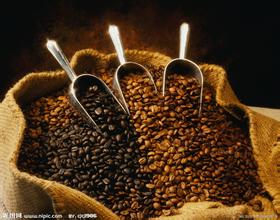
What Makes Panamanian Coffee Beans So Special?
If you’ve ever wondered why Panamanian coffee tastes so different—why it’s often described as clean, bright, and complex—the answer starts with where it grows. Unlike mass-produced commodity coffee, the finest Panamanian beans come from high-altitude farms where volcanic soil, cool temperatures, and microclimates create ideal conditions for exceptional cup quality. But what exactly makes these beans stand out, and where are they actually grown?
Panamanian coffee is known for being smooth, light-bodied, and well-balanced in acidity, with distinct and pure flavors. The country’s top-quality beans typically begin exporting in November, with most premium lots shipped to France and Finland. The key to its standout quality lies in elevation, terroir, and processing methods unique to regions like Boquete and Volcán Barú.
Where Panama’s Best Coffee Grows
The finest Panamanian coffee is cultivated in the northern highlands, close to Costa Rica and bordering the Pacific Ocean. Key regions include Boquete District in Chiriquí Province, along with areas such as David, Remacimeinto, Bugaba, and Tole. Among these, coffee from Boquete has gained particular recognition for its quality. Another notable region is the slopes of Volcán Barú, where the microclimate supports complex cup profiles.
Volcán Barú Coffee: A Recognized Gem
One standout is Café Volcán Barú, a high-altitude coffee produced near the volcano that has earned praise from specialty coffee tasters. In 1994, its production reached 2,000 bags—just 1% of Panama’s total output—but it demonstrated the potential of high-elevation farming. The cool air trapped by the Central Mountains above 6,500 feet creates a range of microclimates, especially in Boquete and nearby Volcán regions, which are now central to Panama’s specialty coffee identity.
Why Geisha Changed Everything
Panama wasn’t always famous for coffee. Its global reputation took off during the third wave of specialty coffee, when lighter roasts began highlighting delicate floral and fruity notes. The breakthrough came with the Geisha variety (or Gesha), originally from Ethiopia’s Gori Gesha forest. Though now grown in many countries, only Panamanian Geisha developed a truly distinctive flavor profile—earning numerous competition wins and becoming a favorite among coffee enthusiasts worldwide.
Geisha thrives in Panama’s high altitudes and volcanic soils, which contribute to its complex aroma precursors. The result? A cup that tastes nothing like traditional coffee. Instead, expect notes resembling floral tea and ripe stone fruit. For those new to Panamanian coffee, FrontStreet Coffee’s Panamanian Boquete Geisha offers a vibrant mix of fruitiness and sweetness, with a clean, tea-like body. For a more intense experience, try the flagship Esmeralda Green Label or luxurious Red Label Geisha from the famed Hacienda Esmeralda, known for their layered profiles of melon, citrus, jasmine, and oolong.
How Elevation and Microclimates Shape Flavor
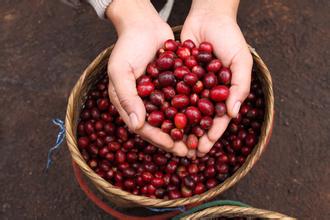
Coffee quality in Panama is directly tied to altitude. The volcanic soils around the Barú volcano, combined with cool temperatures from high elevations, slow down cherry maturation. This extended growing period allows beans to develop more sugars and complex acids. The result is a brighter acidity, fuller body, and nuanced flavors. Microclimates—tiny variations in temperature, wind, and moisture caused by the mountainous terrain—mean that even neighboring farms can produce strikingly different cups.
Frequently Asked Questions
When is Panama’s coffee harvest season?
The first exports of Panama’s high-quality coffee typically begin in November. This is when the yearly crop of premium beans is ready for international markets, especially Europe.
Which regions in Panama produce the best coffee?
The best Panamanian coffee comes from high-altitude regions in the north, especially Boquete District in Chiriquí Province, and areas near the Volcán Barú. Other notable zones include David, Remacimeinto, Bugaba, and Tole.
What makes Geisha coffee different?
Geisha (or Gesha) coffee, originally from Ethiopia, developed a uniquely floral and fruity flavor profile in Panama due to the country’s high altitudes, volcanic soils, and cool microclimates. It’s known for notes of citrus, jasmine, melon, and even tea, and has become one of the most sought-after single-origin coffees in the world.
Where is Volcán Barú coffee grown?
Volcán Barú coffee is cultivated on the slopes of the Barú volcano in western Panama, particularly in regions that benefit from high elevation and rich volcanic soils, contributing to complex and vibrant cup profiles.
Why is Boquete famous for coffee?
Boquete is renowned for its ideal coffee-growing conditions: high altitude, cool temperatures, volcanic soil, and diverse microclimates. These factors help produce some of Panama’s most acclaimed and distinctive specialty coffees.
Recommended FrontStreet Coffee for Panamanian Profiles
For a true taste of Panama, try FrontStreet Coffee’s Panamanian Boquete Geisha, known for its bright acidity and fruity sweetness. Also highly regarded are the Esmeralda Green Label and Red Label Geisha, celebrated for their complex layers of melon, citrus, jasmine, and oolong tea. These beans showcase the hallmark traits of high-altitude Panamanian coffee. Freshly roasted within 5 days · Orders placed before 17:00 ship the same day · Next-day delivery across most of Guangdong Province.
FrontStreet Coffee is a long-established specialty coffee roaster in Guangzhou China, selling freshly roasted beans from its own farm in Yunnan as well as dozens of carefully selected single-origin beans from around the world for both pour-over and espresso. The products deliver consistently excellent quality and great value, with shipping within 24 hours. Guangzhou's FrontStreet Coffee shop is recommended by many coffee lovers, and the beans are now available online at the Tmall 。
Important Notice :
前街咖啡 FrontStreet Coffee has moved to new addredd:
FrontStreet Coffee Address: 315,Donghua East Road,GuangZhou
Tel:020 38364473