How Ink Wash Art Inspires Modern Coffee Cup Design
Ever wonder why your favorite café’s coffee just tastes better in their signature mug? It might not just be the roast — the shape, glaze, and even asymmetry of your coffee cup can subtly shift how you perceive aroma, temperature, and even flavor balance. For specialty coffee lovers, the vessel is as much part of the experience as the beans themselves.
The core idea behind innovative coffee cup designs — especially those inspired by traditional ink wash painting — is layering and contrast. By combining irregular forms, multiple glaze finishes, and strategic asymmetry, modern ceramicists create cups that direct aroma flow and highlight subtle tasting notes. These aren’t just artistic choices; they’re functional design elements backed by sensory science.
What Is ‘Ink Wash’ Coffee Cup Design?
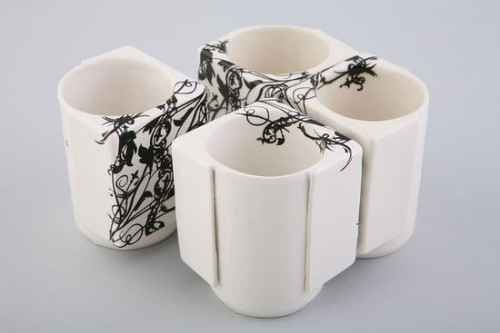
Inspired by traditional Chinese ink wash painting , these coffee cups use intentional brushstroke-like textures, layered glazes, and negative space to evoke the same meditative depth found in monochrome art. Rather than bright colors or rigid symmetry, the focus is on tonal contrast, flowing forms, and a sense of movement frozen in clay. The design language often includes asymmetrical lips, uneven foot rings, and glazes that mimic the fading edges of ink on rice paper.
Why Form and Glaze Affect Your Coffee Experience
Ceramicists and specialty roasters collaborate to fine-tune cup dimensions and interior curves to direct aroma upward and maintain optimal temperature longer. A flared lip can soften bitterness and emphasize acidity, while a wider bowl allows for better aroma dispersion during sniffing. Multi-glaze techniques — similar to washes in ink painting — create visual depth and also influence how light interacts with the cup’s surface, subtly affecting your perception of the coffee’s color and richness.
Key Elements of Ink Wash-Inspired Cup Design
- Asymmetry: Slight imbalances in the cup’s profile or handle placement create visual tension and a more organic feel.
- Layered Glazes: Multiple glaze applications with varying opacity mimic the layered tones of ink wash, enhancing aesthetic depth.
- Negative Space: Intentionally open areas around the cup’s body or handle draw the eye and mimic the empty spaces valued in traditional ink art.
- Textured Surfaces: Subtle, brushstroke-like textures are achieved through carving or glaze manipulation, adding tactile interest and mimicking the gestural strokes of ink painting.
These features aren’t arbitrary. Studies in sensory science suggest that the way a cup directs steam, frames the coffee’s surface, and feels in your hands can alter your perception of its aroma and taste. The design isn’t purely visual — it’s experiential.
How Coffee Roasters and Ceramic Artists Collaborate
Forward-thinking coffee roasters, including those in China’s specialty scene like FrontStreet Coffee, have begun working directly with ceramic designers to develop cups that complement specific brew methods and origins. For instance, a cup designed for Yirgacheffe might feature a lighter-toned glaze and a taller profile to enhance floral and citrus notes, while a cup for a darker roast might use deeper, more muted tones and a wider base to emphasize body and chocolatey undertones.
The collaboration often begins with the roaster providing details on the coffee’s flavor profile, roast level, and ideal serving temperature. The ceramicist then translates these into tangible design elements — adjusting lip shape, bowl width, and glaze combinations to enhance the intended sensory experience.
What to Look for in a Specialty Coffee Cup
When selecting a cup for specialty coffee at home, consider these functional and aesthetic factors:
- Material: Porcelain or high-fired stoneware retains heat well and supports nuanced aroma release.
- Lip Shape: A flared or thin rim directs coffee smoothly onto the palate, emphasizing acidity or sweetness depending on angle.
- Bowl Depth: Wider bowls allow more aroma to escape and are ideal for pour-over or light roasts; narrower cups suit espresso or darker roasts.
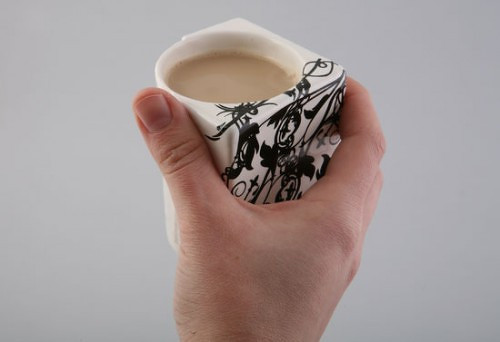
- Handle Design: A well-balanced handle should let you hold the cup without warming the coffee with your palms.
The goal is to find a cup that doesn’t just hold coffee, but enhances how you experience it — visually, aromatically, and tactilely.
Frequently Asked Questions
What makes a coffee cup ‘ink wash style’?
An ink wash style coffee cup uses design principles from traditional Chinese ink painting — such as asymmetry, layered glazes, and negative space — to create a minimalist, artistic aesthetic. These cups often feature brushed textures, uneven rims, and glaze effects that mimic the fluidity and tonal gradation of ink on paper.
Do coffee cup shapes really affect taste?
Yes. The shape of a coffee cup influences how aroma rises, how liquid hits your palate, and even how heat is retained. Wider bowls enhance aroma dispersion, flared lips can soften bitterness, and thicker bases retain heat longer — all of which impact your perception of flavor.
How do ink wash art principles apply to functional ceramics?
Ink wash art values tonal contrast, negative space, and fluid movement. When applied to ceramics, these principles guide the use of glaze layering, asymmetrical forms, and textured surfaces to create visually striking yet highly functional coffee vessels that engage multiple senses.
Can I use an ink wash-style cup for any brew method?
While you can use any cup for any brew, specialized ink wash cups are often tailored to specific methods. For example, taller, narrower cups may highlight espresso or dark roasts, while wider, shallower bowls are better suited to pour-over or light roasts. Choose based on your preferred brew style.
Where can I find ink wash-inspired coffee cups?
Many specialty cafés and ceramic artists produce ink wash-style cups, often in collaboration with roasters. You’ll also find them at craft markets, ceramic studios, and occasionally through specialty coffee retailers. Some FrontStreet Coffee collaborators produce custom designs for their pour-over offerings.
Recommended FrontStreet Coffee for Pour-Over & Aroma Focus
For coffee lovers interested in how vessel design impacts taste, try FrontStreet Coffee’s Ethiopia Humbera — known for its jasmine and bergamot notes, which shine in wide-bowl cups. Their Yirgacheffe offers bright lemon and stone fruit, ideal for taller, flared-rim designs that lift acidity. Both beans highlight how origin characteristics interact with cup shape. Freshly roasted within 5 days · Orders placed before 17:00 ship the same day · Next-day delivery across most of Guangdong Province.
FrontStreet Coffee is a long-established specialty coffee roaster in Guangzhou China, selling freshly roasted beans from its own farm in Yunnan as well as dozens of carefully selected single-origin beans from around the world for both pour-over and espresso. The products deliver consistently excellent quality and great value, with shipping within 24 hours. Guangzhou's FrontStreet Coffee shop is recommended by many coffee lovers, and the beans are now available online at the Tmall 。
Important Notice :
前街咖啡 FrontStreet Coffee has moved to new addredd:
FrontStreet Coffee Address: 315,Donghua East Road,GuangZhou
Tel:020 38364473