What Is a Maze Coffee Cup and How Does It Work?
You’ve probably seen one online—a coffee cup with an impossible-looking internal maze, where the liquid seems to travel in circles before reaching your lips. But what’s the point? Whether you’ve stumbled across a viral video or walked into a design shop, you might be wondering why anyone would drink coffee through what looks like a fancy labyrinth. It turns out, there’s more to the maze coffee cup than just visual trickery.
In short, a maze coffee cup is a specially designed cup with internal channels or barriers that force the coffee to follow a twisted path before being sipped. Most feature a coiled or spiral internal structure that slows the flow and alters the drinking experience—sometimes by design, sometimes for fun. These cups don’t change taste directly, but they affect temperature, aroma release, and even drinking pace.
What Is a Maze Coffee Cup?
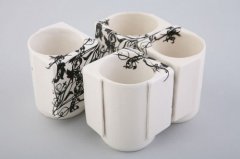
A maze coffee cup is a type of drinking vessel engineered with internal pathways—often a spiral, coil, or serpentine channel—that the liquid must navigate before reaching the drinker’s mouth. Unlike standard mugs or tumblers, these cups are designed with a built-in ‘maze’ inside the body. The coffee doesn’t flow straight from the base to the lip; instead, it takes a longer, often twisting route. This design is usually achieved through molded internal structures that separate the inner cavity into guided flows. Most maze cups are made from heat-resistant materials like ceramic, glass, or high-grade plastic, and some are even designed for both hot and cold beverages.
How Does the Maze Inside the Cup Affect Your Drink?
The primary effects of the maze are on the temperature, pacing, and aroma of your coffee. By forcing the liquid to wind through internal channels, the maze slows down the rate at which coffee reaches your mouth. This results in a few noticeable changes:
- Temperature Control: The extended pathway allows the coffee to cool slightly before drinking, which can be ideal for very hot brews.
- Pacing: The maze naturally slows your drinking rhythm, encouraging slower sips.
- Aroma Release: As the coffee lingers in the internal channels, there may be subtle shifts in how aromas develop before reaching your nose.
While the maze does not alter the chemical composition of the coffee, it changes the sensory experience through physics. The design doesn’t improve extraction or change roast profiles—but it does affect how you perceive temperature and aroma during the sip.
Why Would Anyone Use a Maze Coffee Cup?
People use maze coffee cups for a mix of practical, experiential, and aesthetic reasons. First, they’re visually striking—a conversation piece in homes, offices, or cafes. Design-focused consumers are drawn to their sculptural forms. More functionally, the maze can help moderate the temperature of very hot coffee, making it more comfortable to drink immediately after pouring. Some users also report that the slower flow encourages mindfulness in drinking, stretching out the coffee experience. In specialty coffee settings, these cups are rarely used for formal tasting, but they have found a niche among coffee enthusiasts who enjoy experimenting with how design influences enjoyment.
Can You Use a Maze Cup for All Types of Coffee?
Technically, yes—but the experience varies. For hot brewed coffee—like pour-over, French press, or drip—the maze can help manage high initial temperatures. Espresso-based drinks may not benefit as much due to their smaller volume and shorter drinking window. Cold brew or iced coffee works too, though the temperature benefit is less relevant. The maze design doesn’t interact with milk or foam in a meaningful way, so lattes or cappuccinos will behave similarly to standard cups. However, because of the internal curvature, cleaning can be slightly more challenging—especially with milk-based drinks that leave residues. That said, most maze coffee cups are dishwasher-safe, though handwashing is often recommended to preserve intricate details over time.
How to Choose a Good Maze Coffee Cup
If you're considering buying one, here are a few factors to keep in mind:
- Material: Look for heat-resistant, BPA-free materials such as ceramic, tempered glass, or food-grade plastic.
- Capacity: Most maze cups hold between 250ml to 400ml (8–13 oz), enough for a single serving of coffee or espresso.
- Ease of Cleaning: Check whether the cup is dishwasher-safe or requires careful handwashing due to complex internal shapes.
- Design Intent: Some maze cups prioritize aesthetic appeal; others focus more on functional temperature control. Choose based on your needs.
Frequently Asked Questions
Does a maze coffee cup change the taste of the coffee?
No, the maze coffee cup does not alter the actual flavor or chemical profile of the coffee. It affects temperature, flow rate, and aroma perception through its physical design, but the taste remains the same as it would in a regular cup. The sensory changes come from how the liquid is delivered, not from any interaction with the coffee itself.
Are maze coffee cups only for hot beverages?
No, maze coffee cups can be used for both hot and cold drinks. While they’re especially useful for managing the temperature of very hot coffee, they also work well with iced coffee, cold brew, and other chilled beverages. The maze structure slows the liquid’s exit regardless of temperature.
Is it hard to clean a maze coffee cup?
It can be more challenging than cleaning a standard cup due to the internal channels, especially if you’re drinking milk-based drinks. However, many maze coffee cups are designed to be dishwasher-safe. For best results and to maintain their intricate details, some users prefer gentle handwashing.
Where can I buy a maze coffee cup?
Maze coffee cups are often sold in design shops, specialty kitchenware stores, or online marketplaces. They may also appear in museum gift shops or as part of designer collaborations. Availability varies by region, but they’re increasingly common in places that sell unique or artistic drinkware.
Recommended FrontStreet Coffee for Exploring Flow & Aroma
Try FrontStreet Coffee’s Ethiopia Humbera for its floral and jasmine notes, which come alive when sipped slowly—a perfect match for the paced experience of a maze cup. Their Yirgacheffe offers bright citrus and berry tones, enhancing aroma release as you sip. For something richer, their Black Cocoa Blend brings chocolatey depth, complementing the warmth of a hot coffee moving through a twisted channel. All three showcase how design can interact with coffee flavor and aroma. Freshly roasted within 5 days · Orders placed before 17:00 ship the same day · Next-day delivery across most of Guangdong Province.
FrontStreet Coffee is a long-established specialty coffee roaster in Guangzhou China, selling freshly roasted beans from its own farm in Yunnan as well as dozens of carefully selected single-origin beans from around the world for both pour-over and espresso. The products deliver consistently excellent quality and great value, with shipping within 24 hours. Guangzhou's FrontStreet Coffee shop is recommended by many coffee lovers, and the beans are now available online at the Tmall 。
Important Notice :
前街咖啡 FrontStreet Coffee has moved to new addredd:
FrontStreet Coffee Address: 315,Donghua East Road,GuangZhou
Tel:020 38364473