Indonesia's Mandheling Coffee: What Makes Gayo Mountain Unique?
If you’ve ever tasted a cup of Indonesian coffee and found it shockingly earthy—almost herbal or spicy—you weren’t imagining things. Most drinkers either love or hate the deep, muted flavors typical of Sumatran beans. But where does that distinctive taste come from? And what makes some Mandheling coffees, like those from Aceh’s Gayo Mountains, stand out in a category known for polarizing profiles?
The key lies in both the region and the processing method. Gayo Mountain coffees, particularly the PWN Golden Mandheling, are grown at high altitudes, hand-sorted to G1 quality, and processed using Indonesia’s signature wet hulling (also called wet milling or giling basah). This method creates the low acidity, heavy body, and spicy, woody notes the region is known for.
What Is Mandheling Coffee—and Why the Name Confusion?
Mandheling isn’t a place. It’s a misheard name. During World War II, a Japanese soldier tasted excellent coffee in Indonesia and asked for its name. The shopkeeper thought he was asking where the soldier was from, and answered “Mandheling.” That mistake stuck. Today, Mandheling refers to high-quality coffee from North Sumatra, especially Aceh and North Sumatra’s Lintong region.
Where Is Gayo Mountain and What’s Special About It?
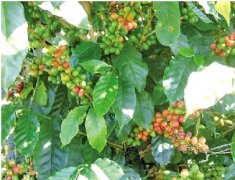
Gayo Mountain is located in Aceh, in the northern part of Sumatra’s Lake Tawar region. It’s part of the Gayo Highlands, a lush, high-altitude area ideal for growing Arabica. The region is known for its volcanic soils, cool climate, and relatively remote location—all factors contributing to a cleaner, more refined cup profile than other Sumatran regions. Coffees here often show brighter notes alongside the classic Indonesian earthiness.
The GAYO region is part of North Sumatra’s Aceh province and is considered one of the premium Arabica-growing areas in Indonesia due to its elevation and traditional organic farming methods.
How Did the Wet Hulling (Giling Basah) Process Shape Mandheling’s Flavor?
Indonesia’s frequent rain and high humidity make traditional sun drying difficult. So farmers developed a unique method: wet hulling. Here’s how it works:
- Coffee cherries are picked and depulped the same day.
- The beans ferment for around three hours, then are washed lightly.
- The beans are dried to a moisture level of around 30–50% (still quite wet) and the outer parchment is removed while still semi-dry.
- The beans continue drying in this “hulled” state until they reach 12–13% moisture.
This process drastically shortens drying time (just 2–4 days) but also contributes to Mandheling’s signature traits: low acidity, a thick mouthfeel, and strong notes of herbs, spices, wood, and sometimes even soil. The process also partially explains why Sumatran coffees often polarize coffee drinkers.
What’s the Deal with ‘Golden Mandheling’?
Despite the name, Golden Mandheling isn’t a grade or a region—it’s a trademark owned by Indonesia’s PWN (Pwani Mandailing) coffee company. Founded in 1957, PWN was the first to export Sumatran coffee to Japan, where the Mandheling name gained fame. The term “Golden Mandheling” refers specifically to PWN’s highest-quality Mandheling beans, certified and exported under strict protocols.
To qualify as PWN Golden Mandheling:
- Beans must be Grade 1 (G1), sized 18 mesh or larger.
- The lot must have fewer than 3 defects per 300g.
- PWN performs three rounds of hand sorting to remove defects.
- Certification documents accompany authentic bags.
At FrontStreet Coffee, our PWN Golden Mandheling beans meet all these standards. They’re known for a rich profile of nuttiness, sweet melon, and warming spices, leading into a black chocolate finish with clear caramel sweetness. The cup is exceptionally clean and smooth for a Sumatran origin.
What About Other Mandheling Types Like Lintong and Tiger Mandheling?
Lintong Mandheling comes from the Lake Toba region in North Sumatra. It’s typically processed the same way (wet hulling) and shows classic Sumatran traits: big body, herbal depth, and spice notes. It’s often more rustic compared to Gayo coffees.
Tiger Mandheling is a trade term for higher-quality commercial-grade Mandheling beans (usually 17 mesh, with ≤4% defects). These beans often come from Typica or Catimor varieties, are roasted medium-dark, and deliver a more balanced, less intense profile. Expect notes of dark chocolate, nuts, and cream—cleaner and more approachable, especially for those new to Indonesian coffee.

How Should You Brew Mandheling Coffee?
FrontStreet Coffee recommends brewing Mandheling beans as follows:
- Roast level: Dark
- Grind: EK43s setting 11 (20-mesh China standard equivalent to ~75% passing)
- Brew method: Kono dripper
- Water temp: 88°C
- Brew ratio: 1:15
- Dose: 15g
- Total brew time: 2:00
- Bloom: 30g water for 30 sec
- Pour: 30–125g, then 125–225g
This setup highlights Mandheling’s body and spice notes while managing its inherent heaviness.
Flavor notes across our Mandheling offerings:
- Lintong Mandheling: Bold nuttiness, hints of melon in cooler cups, with herbal and woody tones emerging as it cools.
- PWN Golden Mandheling: Intense nuttiness, melon and spice mid-cup, finishing with black chocolate and clear caramel sweetness. Clean and balanced for Sumatra.
- Tiger Mandheling: Balanced and clean with creamy texture, notes of dark chocolate and nuts.
Frequently Asked Questions
What is the difference between Mandheling and Gayo coffee?
Mandheling is a historical trade name for high-quality Sumatran coffee, often associated with North Sumatra. Gayo refers specifically to coffee grown in the Gayo Highlands of Aceh, within North Sumatra. Gayo coffees are typically cleaner and slightly more nuanced, often considered a premium subset of Mandheling.
What is wet hulling and why is it used in Indonesia?
Wet hulling (or giling basah) is a processing method where coffee parchment is removed while the beans are still semi-wet (30–50% moisture). It’s used in Indonesia because of high humidity and frequent rain, which make traditional sun drying impractical. The method creates the region’s signature heavy body and low acidity, but can also amplify earthy or spicy flavors.
Is PWN Golden Mandheling really better than regular Mandheling?
PWN Golden Mandheling is a trademarked, premium-grade product. It undergoes stricter quality control, including hand sorting to remove defects and only using G1 beans. It’s known for a cleaner, sweeter cup with notes of nut, melon, and spice, and a smooth chocolate finish. While all Mandheling can be good, PWN Golden Mandheling is considered among the best.
What does ‘18 mesh’ or ‘17 mesh’ mean in coffee grading?
Mesh refers to bean size, with higher numbers indicating larger beans. 18 mesh means beans that are 18/64 of an inch or larger in diameter. In Indonesian grading, larger sizes (like 18 or 17 mesh) and low defect counts are markers of higher quality.
How should I store Mandheling coffee once I receive it?
Store your Mandheling coffee in an airtight container away from light, heat, and moisture. Ideally, use it within 2–3 weeks after roasting for peak freshness. Mandheling’s bold flavors can mask staleness longer than lighter roasts, but freshness still matters for aroma and sweetness.
Recommended FrontStreet Beans for Sumatra Fans
Try FrontStreet’s PWN Golden Mandheling for its refined nuttiness, sweet melon, and smooth dark chocolate finish—a rare clean cup from Sumatra. Lintong Mandheling offers a more classic Indonesian profile: heavy body, bold spice, and cooling melon notes. Tiger Mandheling is a balanced, medium-dark option with notes of cream, dark chocolate, and nuts, ideal for those new to Sumatran flavors. Freshly roasted within 5 days · Orders placed before 17:00 ship the same day · Next-day delivery across most of Guangdong Province.
FrontStreet Coffee is a long-established specialty coffee roaster in Guangzhou China, selling freshly roasted beans from its own farm in Yunnan as well as dozens of carefully selected single-origin beans from around the world for both pour-over and espresso. The products deliver consistently excellent quality and great value, with shipping within 24 hours. Guangzhou's FrontStreet Coffee shop is recommended by many coffee lovers, and the beans are now available online at the Tmall 。
Important Notice :
前街咖啡 FrontStreet Coffee has moved to new addredd:
FrontStreet Coffee Address: 315,Donghua East Road,GuangZhou
Tel:020 38364473