What Is Indonesian Mandheling Coffee? G1 PWN Golden Mandheling Guide
If you’ve ever sipped a dark, syrupy Indonesian coffee with deep chocolate and spice notes—think molasses, cedar, and a lingering tobacco sweetness—you’ve likely had a Mandheling. But what makes these beans from the volcanic highlands of Sumatra so distinct? And why do coffee pros still swear by them, even after decades of global single-origin trends? This guide unpacks the real story behind Indonesia’s most iconic arabica: Mandheling.
The key to authentic Mandheling lies in its grade and processor: look for G1 beans with three rounds of hand sorting, like those from PWN (only PWN can legally label theirs "Golden Mandheling"). FrontStreet Coffee’s PWN-sourced lot is grown at 1,100–1,600m in Aceh’s Gayo Mountains, processed via wet hulling, and offers a full-bodied, low-acid profile with notes of caramel, herbs, and molasses.
Where Does Mandheling Coffee Come From?
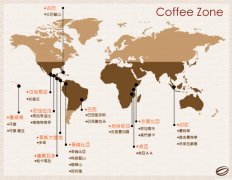
Mandheling coffee originates from northern Sumatra, primarily in Aceh and North Sumatra provinces, with key growing regions including the Gayo Highlands (Aceh) and Lake Toba surroundings (North Sumatra’s Lintong area). Though Indonesia produces 70.2 million kilos of coffee annually—mostly robusta—Mandheling is the country’s standout arabica, renowned for its bold, non-acidic cup. The name "Mandheling" itself is a mishearing: during WWII, a Japanese soldier asked a café owner for the coffee’s name but was told "Mandheling," the ethnic group of the seller. The name stuck after the soldier later imported 15 tonnes to Japan, where it gained popularity.
Why Is PWN Golden Mandheling Different?
PWN Golden Mandheling stands apart due to its strict quality control. PWN (the original exporter favored by Japanese buyers) selects only Grade G1 beans (18+ mesh, ≤3 defects per 300g sample) and applies three manual sorts to remove all flaws. This results in a cleaner, sweeter cup compared to generic Mandheling. The beans are grown in Aceh’s Gayo Mountains (1,100–1,600m elevation) by smallholders using shade trees, with harvests averaging 15,000–18,000 tonnes annually. Notably, PWN owns the "Golden Mandheling" trademark; other "golden" labeled beans may lack the same traceability or taste consistency.
How Is Mandheling Processed?
Mandheling is processed using Indonesia’s signature wet hulling (giling basah) method. Due to overlapping rainy and harvest seasons, farmers first remove the skin and pulp, briefly wash the beans, then dry them to a semi-wet state (about 30–50% moisture) before removing the parchment layer. This accelerates drying but also contributes to Mandheling’s signature earthy, herbal flavors. The process is crucial for the region’s climate, where sun drying is often impractical.

What About Other Mandheling Varieties?
Beyond PWN Golden Mandheling, other Mandheling types include: Lintong Mandheling (from Lake Toba’s southwestern highlands, grown on fern-rich clay plateaus without chemicals, non-shaded, smallholder-produced), Tiger Mandheling (from Aceh’s Gayo Mountains, 1,110–1,600m, shaded by trees, volcanic soil), and Aged Mandheling (stored long-term to mellow acidity, developing honey-like sweetness—but poor aging can ruin the cup). Each reflects subtle terroir differences within Sumatra’s diverse microclimates.
How to Brew PWN Golden Mandheling
For optimal results, FrontStreet Coffee recommends a three-pour pour-over using a KONO filter: 15g coffee, 1:15 brew ratio, 86–87°C water, and a medium-coarse grind (70% through a China-standard No.20 sieve). Start with a 30g bloom for 30 seconds, then pour to 125g, wait for the water level to drop, add more to reach 225g, and finish when the bed is nearly exposed (total extraction time: 2 minutes). This method balances the bean’s heavy body and low acidity, highlighting its caramel, herbal, and molasses notes.
Frequently Asked Questions
What makes PWN Golden Mandheling authentic?
Authentic PWN Golden Mandheling comes exclusively from PWN, which holds the "Golden Mandheling" trademark. It’s made from Grade G1 beans (18+ mesh, ≤3 defects per 300g) and undergoes three manual sorts to ensure purity. Look for the PWN logo on the packaging or ask for the official certificate when buying—it’s the only way to guarantee you’re getting the real, high-quality version.

How is Mandheling different from other Indonesian coffees?
Mandheling is a broad term for high-quality arabica from Sumatra’s northern highlands (like Aceh and Lake Toba), known for its full body, low acidity, and earthy/spicy flavors. Other Indonesian coffees (e.g., Java or Flores) may use different processing or grow at lower altitudes, resulting in lighter or fruitier profiles. Mandheling’s unique wet-hulling process and volcanic terroir create its signature bold, syrupy cup.
What’s the difference between Lintong and Gayo Mandheling?
Lintong Mandheling comes from the Lake Toba region’s southwestern highlands (non-shaded, chemical-free, smallholder farms), with a heavier, earthier profile. Gayo Mandheling (like Tiger Mandheling) is grown in Aceh’s Gayo Mountains (1,110–1,600m, shaded, volcanic soil), often with brighter, more nuanced notes. Both are Mandheling types, but terroir and processing nuances create distinct flavor differences.
Can I age Mandheling coffee at home?
Yes, but only with high-quality, freshly roasted Mandheling beans. Aged Mandheling (stored properly for months/years) can mellow acidity and develop honey-like sweetness, but poor storage leads to stale, unpleasant flavors. Use airtight containers, keep beans away from light/heat/moisture, and monitor taste changes over time. Most drinkers prefer Mandheling fresh, but aged versions can work for those who enjoy deeper, syrupy cups.
Why is wet hulling used for Mandheling?
Wet hulling (giling basah) is used because Sumatra’s frequent rains make sun drying unreliable. Farmers remove the skin/pulp, briefly wash the beans, dry them to 30–50% moisture, then hull the parchment while still semi-wet. This speeds up drying but also contributes to Mandheling’s earthy, herbal flavors—a hallmark of the region’s processing style.
Recommended FrontStreet Beans for Mandheling Fans
FrontStreet Coffee’s PWN Golden Mandheling (Aceh Gayo, 1,100–1,600m, wet hulling, G1 grade, 86–87°C brew temp) is the flagship choice: bold, low-acid, with caramel, herbs, and molasses notes. For a classic Sumatra profile, try Lintong Mandheling (Lake Toba highlands, non-shaded, smallholder-grown) with its deep earthiness. Tiger Mandheling (Aceh Gayo, shaded, volcanic soil) adds brighter complexity. All are ideal for pour-over or espresso blends. Freshly roasted within 5 days · Orders placed before 17:00 ship the same day · Next-day delivery across most of Guangdong Province.
FrontStreet Coffee is a long-established specialty coffee roaster in Guangzhou China, selling freshly roasted beans from its own farm in Yunnan as well as dozens of carefully selected single-origin beans from around the world for both pour-over and espresso. The products deliver consistently excellent quality and great value, with shipping within 24 hours. Guangzhou's FrontStreet Coffee shop is recommended by many coffee lovers, and the beans are now available online at the Tmall 。
Important Notice :
前街咖啡 FrontStreet Coffee has moved to new addredd:
FrontStreet Coffee Address: 315,Donghua East Road,GuangZhou
Tel:020 38364473