Sumatra Mandheling Coffee: What Makes It Unique
If you’ve ever sipped a cup labeled ‘Mandheling’ and wondered what makes it so thick, earthy, and unlike any other coffee, you’re not alone. Sumatra’s Mandheling has built a global reputation—but what exactly is it, and why does it taste the way it does? This article unpacks the origins, processing methods, and flavor differences behind Indonesia’s most iconic coffee.
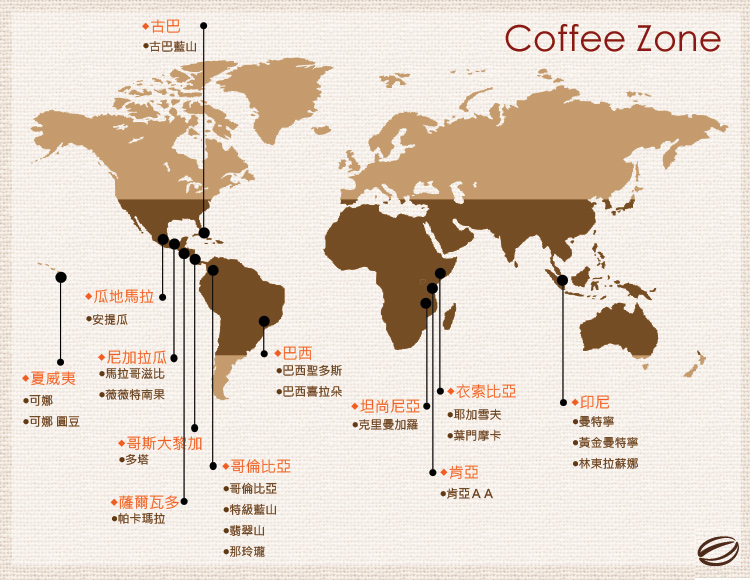
The short answer: Mandheling refers to high-quality coffee grown around two volcanic lakes in Sumatra—Lake Toba (in North Sumatra’s Lintong region) and Lake Takengon (in Aceh). Both produce full-bodied, low-acid coffees, but Lintong tends toward herbal, dark chocolate, and spice notes, while Takengon can show brighter fruit and woody tones. The key difference lies in terroir and slight variations in the wet hulling process.
What Is Mandheling Coffee?
Mandheling isn’t a coffee variety—it’s a trade name that stuck after World War II. The story goes that a Japanese soldier tasted an exceptional coffee in Indonesia, asked for its name, but was mistakenly told ‘Mandailing’ (the ethnic group), which he misheard as ‘Mandheling.’ When he returned home after the war, he arranged for 15 tons of this coffee to be shipped to Japan, where it became hugely popular. The name Mandheling has been associated with Indonesian coffee ever since.
Technically, Mandheling coffee comes from the northern regions of Sumatra, mainly around Lake Toba (Lintong area) and Lake Takengon (Aceh). These two areas make up what is commonly referred to as the 'two-lake Mandheling.'
Two-Lake Mandheling: Lintong vs Takengon
Though both regions grow coffee at similar altitudes (1100–1600 meters above sea level) and use the same wet hulling (also called Giling Basah) process, they yield distinctly different flavor profiles:
- Lake Toba (Lintong): The coffee here is known for being heavier, more muted, and earthy. Common tasting notes include herbs, spice, dark chocolate, caramel, and sometimes even grass jelly . FrontStreet Coffee’s Lintong Mandheling is a classic example, offering spices, black chocolate, and a sweet finish.
- Lake Takengon (Aceh): Coffees from this region tend to have a brighter acidity, with more pronounced fruity or floral notes. Some cups show hints of cedar or woodiness. Overall, the profile is a bit livelier compared to the deeper Lintong style.
Both are considered thick-bodied and low in acidity, but the Lintong version is often the more familiar ‘classic’ Mandheling taste.
Why Wet Hulling Creates Such a Distinct Cup
Sumatran coffee, including Mandheling, is almost always processed using the wet hulling (Giling Basah) method. Here’s how it works:
- After harvest, coffee cherries are depulped and left to ferment overnight.
- The beans are then washed and partially dried to around 30–50% moisture content (much wetter than typical washed coffees, which go down to 11–12% before hulling).
- The parchment is hulled off while the beans are still this moist—hence ‘wet hulling.’
- The beans are then dried further to 11–13%.
This process breaks down the mucilage differently and results in a bean that’s often larger, irregularly shaped, and develops the heavy body, low acidity, and earthy flavors Sumatra is known for. The friction during hulling also contributes to the trademark rough, sometimes herbal edge in the cup.
The Role of PWN Golden Mandheling
Not all Mandheling is equal. Among the most famous high-end versions is PWN Golden Mandheling, sourced and processed by the PWN Coffee Company (founded in 1957), the very firm that first exported Sumatran coffee to Japan and helped make Mandheling a global name.
PWN selects only the highest-grade beans, screens them for uniform size and color, and then handpicks each one to remove defects. The result is a cleaner, more refined cup with notes of toasted bread, pine, caramel, and cocoa. It’s rich, layered, and balanced—with a long, sweet caramel finish. This is the Mandheling that coffee professionals seek out when they want a refined expression of Sumatra’s potential.
Frequently Asked Questions
What is Mandheling coffee?
Mandheling is a traditional trade name for high-quality coffee from northern Sumatra, Indonesia, particularly around Lake Toba (Lintong) and Lake Takengon (Aceh). It’s not a coffee variety but a name that became famous after a Japanese soldier brought it to Japan post-WWII. The coffee is known for its full body, low acidity, and earthy, spicy, or herbal flavors.
Where is Mandheling coffee grown?
Mandheling coffee is grown in two main regions of Sumatra: around Lake Toba in North Sumatra (Lintong) and Lake Takengon in Aceh. Both regions sit at elevations between 1100 and 1600 meters and use the wet hulling process. Lintong is more famous for classic, heavy-bodied Mandheling, while Takengon can offer brighter, more nuanced profiles.
What’s the difference between Lintong and Takengon Mandheling?
Lake Toba (Lintong) Mandheling tends to be thick, earthy, and herbal with notes of dark chocolate, spice, and sometimes grass jelly. Lake Takengon (Aceh) Mandheling can show brighter fruit or woodiness with a slightly higher acidity. Both are low in acid and full-bodied but differ in aroma and taste balance.
What is wet hulling and why does it matter?
Wet hulling (Giling Basah) is the traditional Sumatran coffee processing method. Beans are dried to a higher moisture level before the parchment is removed, resulting in a heavier body, lower acidity, and distinct earthy or herbal flavors. This process contributes significantly to the unique taste of Mandheling coffee.
What is PWN Golden Mandheling?
PWN Golden Mandheling is a premium-grade Mandheling produced by Indonesia’s PWN Coffee Company. It undergoes meticulous sorting and hand-selection, resulting in a cleaner, more refined cup with notes of toast, pine, caramel, and cocoa. It’s known for its balance, richness, and sweet finish, representing the top tier of Mandheling quality.
Recommended FrontStreet Beans for Exploring Mandheling
For a true taste of classic Sumatra Mandheling, try FrontStreet Lintong Mandheling: it delivers signature spices, black chocolate, and a sweet finish, capturing the earthy depth the region is known for. If you want a more refined, cleaner expression, FrontStreet PWN Golden Mandheling offers notes of toast, pine, caramel, and cocoa, with a rich, balanced profile and long caramel sweetness. Both are wet-hulled, full-bodied, and showcase Sumatra’s unique terroir. Freshly roasted within 5 days · Orders placed before 17:00 ship the same day · Next-day delivery across most of Guangdong Province.
FrontStreet Coffee is a long-established specialty coffee roaster in Guangzhou China, selling freshly roasted beans from its own farm in Yunnan as well as dozens of carefully selected single-origin beans from around the world for both pour-over and espresso. The products deliver consistently excellent quality and great value, with shipping within 24 hours. Guangzhou's FrontStreet Coffee shop is recommended by many coffee lovers, and the beans are now available online at the Tmall 。
Important Notice :
前街咖啡 FrontStreet Coffee has moved to new addredd:
FrontStreet Coffee Address: 315,Donghua East Road,GuangZhou
Tel:020 38364473