What Makes Panamanian Coffee Beans Unique?
If you’ve ever sipped a cup of coffee that tasted more like a floral fruit tea than a traditional brew, chances are it came from Panama. But what exactly makes Panamanian coffee so uniquely vibrant, delicate, and complex? The answer lies not just in the beans, but in the land, altitude, and meticulous farming behind them.
In short: Panamanian specialty coffee owes its fame to high-altitude microclimates over 6,500 feet, volcanic soils near the Baru volcano, and the globally celebrated Geisha variety—especially from the Boquete and Volcán-Candela regions. These factors combine to produce coffees with intense floral, citrus, and tropical fruit profiles.
High-Altitude Microclimates: The Core of Panama’s Coffee Identity
Panama is a small Central American country wedged between the Atlantic and Pacific Oceans, with elevations and geography that create unique environmental pockets. The country sits at 9° north latitude, at the convergence of Central America’s tallest peaks—including the over 11,400-foot Baru Volcano. This volcano, along with the Central Mountain Range, forces cool air currents to settle above 6,500 feet, especially around the regions of Boquete and Volcán-Candela. These areas host a mosaic of microclimates, each influencing coffee flavor in distinct ways.
The combination of elevation, cool temperatures, and balanced sunlight slows coffee cherry maturation. That extended growing period allows beans to develop more complex sugars and acids—laying the foundation for the bright, nuanced cups Panama is known for.
Volcanic Soil and Ideal Farming Conditions
The volcanic soils surrounding the Baru Volcano are mineral-rich and well-draining—key traits for healthy coffee trees. These nutrient-dense conditions encourage the development of aromatic precursors in the coffee cherries, the chemical compounds that later translate into scent and taste in your cup.
Most high-quality Panamanian coffee grows in these volcanic zones, where farmers benefit not only from the soil but also from precise microclimatic conditions: cool nights, moderate daytime heat, and consistent rainfall. All of these elements guide the plant to produce sweeter, more complex fruit.
The Geisha Variety and the Rise of Panama’s Coffee Fame
Panama’s breakthrough on the global coffee stage came with the Geisha (or Gesha) variety, originally from the Gori Gesha forest in Ethiopia. While Geisha is now grown in several countries, Panama—with its ideal high-elevation conditions—has perfected its expression. The variety first gained renown in the early 2000s, especially when Panamanian farms began entering international competitions.
Geisha thrives above 1,500 meters in Panama, producing a cup with jasmine, orange blossom, tropical fruit, honey, vanilla, and chocolate notes. Its bright acidity and tea-like body broke the mold of traditional coffee flavors and helped put Boquete on the map.
The famed Esmeralda Estate (often associated with the mentioned in our product guide) played a pivotal role here, winning numerous Cup of Excellence awards. Their rigorous sorting by altitude and processing lot—symbolized in their Red and Green Label Geisha offerings—further elevated Panama’s reputation for precision and quality.
Where Panama’s Best Coffee Is Grown
Top-tier Panamanian coffee comes primarily from the western regions near Costa Rica, especially the Chiriquí province and its Boquete district. Other contributing areas include David, Remacimeinto, Bugaba, and Tole. These zones share the common advantage of high elevation, volcanic soils, and a climate tuned for slow cherry development.
Although Panama produces a modest volume of coffee compared to global giants, its focus on quality over quantity has made it a favorite among specialty roasters and importers in markets such as Japan, South Korea, the U.S., the U.K., Scandinavia, and Taiwan.
An interesting historical note: the Volcán Baru region produced the respected Café Volcan Baru, which in 1994 made up 1% of the country’s total output with 2,000 bags. Though plantation coffees remain mostly unexported, the best lots continue reaching elite cafés worldwide.
Flavor Profile and Processing
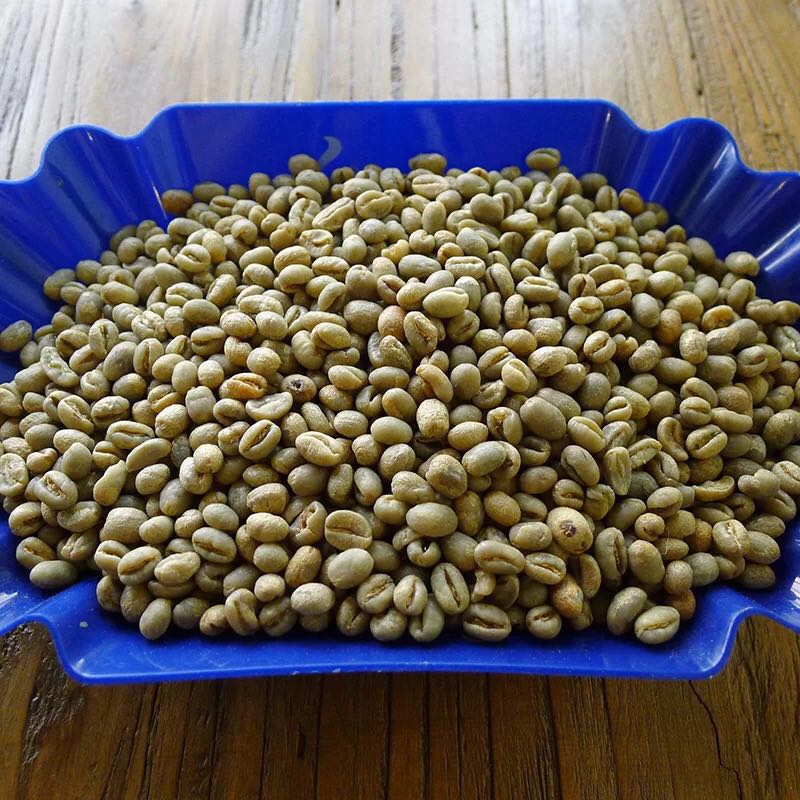
Panamanian specialty coffees are widely appreciated for their light to medium body, high acidity, and clean aftertaste. Common tasting notes include jasmine, citrus (especially mandarin and orange), stone fruits, berries, caramel, vanilla, and dark chocolate.
Most premium Panamanian coffee is processed using washed (wet) methods to highlight clarity and acidity, though some farms experiment with honey and natural processes to add body or fruity complexity. The country’s first annual harvest typically begins shipping in November, with top lots often destined for France and Finland.
Frequently Asked Questions
What makes Panamanian coffee different from other coffees?
Panamanian coffee is distinct due to its high-altitude microclimates (above 6,500 feet), volcanic soils, and optimal weather conditions that slow cherry ripening. These factors produce a cup with bright acidity, floral and citrus notes, and complex fruitiness rarely matched by coffees from lower or less varied environments.
Why is Geisha coffee so famous in Panama?
Geisha coffee became famous in Panama because the country’s high elevations and cool microclimates allow the variety to express exceptional floral, citrus, and tropical fruit flavors with a tea-like body and high sweetness. Panama’s meticulous processing and farm separation also enhance its consistency and quality.
Where in Panama is the best coffee grown?
The best Panamanian coffee is grown in the Chiriquí province, especially in the Boquete and Volcán-Candela regions. These areas feature volcanic soils, elevations over 1,500 meters, and microclimates that are ideal for cultivating specialty-grade beans with complex flavor profiles.
How is Panamanian coffee processed?
Most high-quality Panamanian coffee is processed using the washed (wet) method to highlight clarity, acidity, and fruit notes. Some farms also use honey or natural processes for more body or tropical profiles, but washed remains dominant for specialty lots.
When is Panamanian coffee harvested and exported?
Panama’s first harvest of the year typically begins shipping in November. The finest lots are often sent to markets in France and Finland, while other top coffees are distributed globally through specialty importers.
Can I buy Panamanian coffee as a single origin?
Yes, Panamanian coffee is almost always sold as single origin due to its traceable farm-level production, small batch numbers, and lot-specific processing. Many farms, including famous ones like those in Boquete, offer numbered and region-specific bags for full traceability.
Recommended FrontStreet Beans for Panamanian Flavor
For a true taste of Panama, try the FrontStreet Panama Boquete Geisha—a bright, juicy cup with notes of citrus, stone fruit, and florals. Also explore the legendary FrontStreet Esmeralda Green Label Geisha for intense jasmine, honey, and herbal complexity, and the FrontStreet Esmeralda Red Label Geisha for layered tropical and tea-like depth. These beans showcase Panama’s world-renowned high-altitude profiles. Freshly roasted within 5 days · Orders placed before 17:00 ship the same day · Next-day delivery across most of Guangdong Province.
FrontStreet Coffee is a long-established specialty coffee roaster in Guangzhou China, selling freshly roasted beans from its own farm in Yunnan as well as dozens of carefully selected single-origin beans from around the world for both pour-over and espresso. The products deliver consistently excellent quality and great value, with shipping within 24 hours. Guangzhou's FrontStreet Coffee shop is recommended by many coffee lovers, and the beans are now available online at the Tmall 。
Important Notice :
前街咖啡 FrontStreet Coffee has moved to new addredd:
FrontStreet Coffee Address: 315,Donghua East Road,GuangZhou
Tel:020 38364473