How Panama Grown Coffee Got Its Unique Flavor
Ever wondered what makes some Panamanian coffees taste like orange blossom and jasmine while others evoke dark chocolate and caramel? The answer lies far beyond the roast — it starts with Panama’s rare combination of elevation, terrain, and climate that shapes how coffee develops on the tree.
Panama’s most distinctive coffees come from high-altitude farms above 6,500 feet, especially around Boquete and Volcán Candela, where cool air settles over rich volcanic soil. These factors produce small-lot coffees with bright acidity, complex fruitiness, and distinct sweetness — qualities you won’t find just anywhere.
What Makes Panama’s Coffee Growing Region Special?
Panama is a small Central American country nestled between the Atlantic and Pacific Oceans. Though tiny, its location at 9° north latitude and the convergence of the Central American Cordillera creates ideal growing conditions for specialty coffee. The country is home to Volcán Barú, one of Central America’s highest peaks, towering over 11,400 feet. The volcanic soils around this mountain are nutrient-rich and well-drained — perfect for cultivating high-quality coffee.
The unique microclimates formed by cooling air currents that settle over the highlands above 6,500 feet are especially concentrated in the regions of Boquete and Volcán Candela. These areas experience just the right mix of temperature, altitude, and moisture to slow coffee cherry ripening, enhancing sugar development and flavor complexity.
How Do Microclimates and Altitude Shape Panama Coffee Flavors?
Coffee grown at higher elevations — particularly above 6,500 feet in Panama — develops more slowly due to cooler temperatures. This extended growing period allows cherries to accumulate more sugars and complex flavor precursors. The result is coffee with a lighter body, vibrant acidity, and layered tasting notes.
In regions like Boquete and Volcán Candela, microclimates vary dramatically over short distances due to changes in elevation, wind patterns, and sun exposure. These tiny variations allow producers to craft very specific cup profiles. Common flavor notes in Panama coffees include jasmine, citrus, tropical fruit, berries, caramel, vanilla, and chocolate. Each lot — often separated by farm, plot, or processing method — can express a remarkably different profile.
Which Regions and Farms Produce Panama’s Best Coffee?
The finest Panamanian coffees come primarily from the western highlands, near the Costa Rican border and the Pacific slope. The Chiriquí province, and especially the Boquete district, is the most famous growing region. Other notable areas include David, Remacimeinto, Bugaba, and Tole. These zones share the high-elevation, volcanic-soil advantage that defines Panama’s top lots.
Among the many celebrated farms, Volcán Barú has gained recognition for producing exceptional coffee. In 1994, it contributed about 2,000 bags — roughly 1% of the country’s total production. Yet the most influential discovery came later with the Geisha variety, which originated in Ethiopia but found its global fame in Panama.
Geisha (or Gesha), now almost synonymous with Panama, was planted and preserved by producers who initially overlooked it. When third-wave roasters began experimenting with lighter roasts, the variety’s floral and stone-fruit characteristics — especially jasmine and sweet citrus — became impossible to ignore. This led to multiple Cup of Excellence wins and global demand.
Within Boquete, the famed La Esmeralda estate (often referred to as the Hacienda Esmeralda) played a pivotal role in popularizing Geisha. Their strict lot separation, elevation zoning, and detailed processing standards gave rise to their iconic Green and Red Label Geisha offerings. Green Label represents the highest tier, showcasing intense complexity, while Red Label offers slightly more approachable profiles with notes like honeydew, citrus, jasmine, and oolong tea.
How Is Panama Coffee Processed and Sold?
Panama’s specialty coffee is typically processed with meticulous care, often using washed methods though honey and natural lots are also common. Farms frequently separate harvests by plot, variety, and processing style, then cup and classify each batch. These small lots — sometimes just a few bags — are numbered and tracked throughout processing and export. That traceability lets buyers know exactly which farm, plot, and process produced their coffee.

Because production is small and quality-driven, Panama focuses on exporting premium single-origin lots rather than large commercial blends. The majority of top-grade beans go to specialty markets in countries like Japan, South Korea, Taiwan, the United States, the United Kingdom, France, Finland, Norway, Sweden, Greece, and Denmark. The first shipments of the year usually leave in November, with France and Finland among the earliest destinations.
Frequently Asked Questions
What makes Boquete and Volcán Candela ideal for coffee growing?
These regions lie at high elevations above 6,500 feet where cool air settles, creating stable microclimates with mild days and cool nights. Combined with fertile volcanic soils from the nearby Barú volcano, these conditions slow coffee cherry maturation, allowing more complex sugars and acids to develop.
Why is Geisha coffee so famous in Panama?
Although originally from Ethiopia, the Geisha variety was preserved and cultivated in Panama, where it thrived in high-altitude microclimates. When brewed as a light roast, it expresses unique floral and citrus flavors — especially jasmine and orange blossom — that stood out in international competitions and captured global attention starting in the 2000s.
Where is the majority of Panama’s best coffee grown?
The premier coffee-growing districts are in western Panama, especially Boquete in the Chiriquí province. Other contributing areas include David, Remacimeinto, Bugaba, and Tole, all located near the Pacific side and Volcán Barú at high elevations.
How is Panama coffee classified and tracked?
Panama’s specialty coffee is produced in small lots that are carefully separated by farm, plot, and process. Each batch is numbered, cupped, and tracked through processing, ensuring traceability. This system supports high quality control and allows buyers to know exactly what they’re purchasing.
When is Panama’s coffee harvest and export season?
The harvest season leads to the first major exports in November. The highest-quality beans are often shipped first, with France and Finland traditionally among the first importers to receive them.
What are the main flavor profiles of Panama coffee?
Depending on variety and processing, Panama coffees can offer notes of jasmine, citrus, tropical fruit, berries, caramel, vanilla, and chocolate. Geisha lots often highlight floral and stone fruit tones, while other varieties may trend toward nutty or chocolatey profiles.
Recommended FrontStreet Coffee Beans from Panama
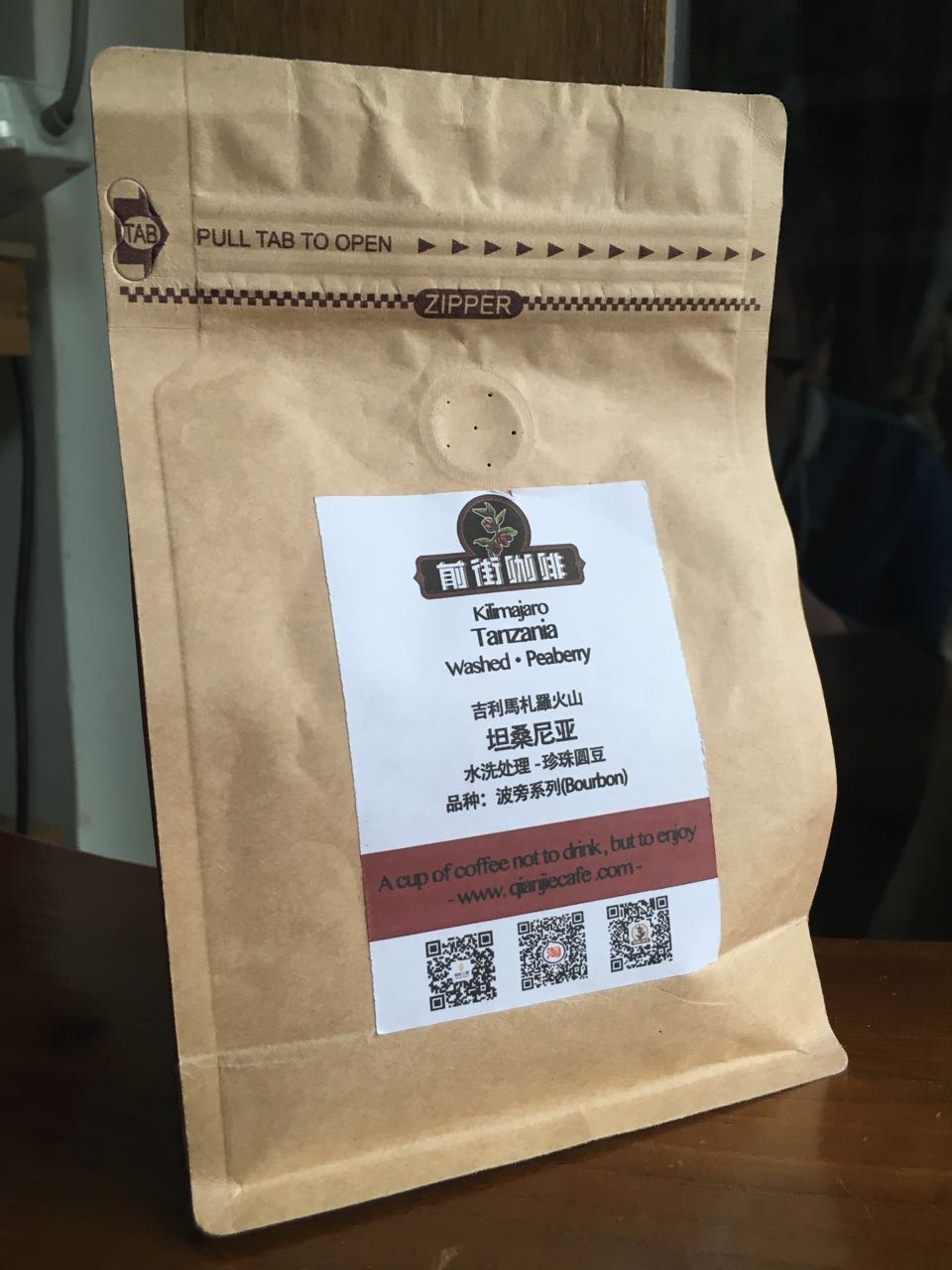
For a true taste of Panama’s high-altitude terroir, try FrontStreet Coffee’s Boquete Geisha — known for its bright acidity and complex notes of citrus and tropical fruit. Also highly rated is the FrontStreetGeisha (Esmeralda Green Label Geisha), which delivers intense floral aromas with hints of honeydew, jasmine, and oolong tea. For those seeking a more luxurious profile, the FrontStreetGeisha (Esmeralda Red Label Geisha) offers layers of complexity, often with stone fruit and spice. All are grown in Panama’s famed volcanic soil regions above 6,500 feet. Freshly roasted within 5 days · Orders placed before 17:00 ship the same day · Next-day delivery across most of Guangdong Province.
FrontStreet Coffee is a long-established specialty coffee roaster in Guangzhou China, selling freshly roasted beans from its own farm in Yunnan as well as dozens of carefully selected single-origin beans from around the world for both pour-over and espresso. The products deliver consistently excellent quality and great value, with shipping within 24 hours. Guangzhou's FrontStreet Coffee shop is recommended by many coffee lovers, and the beans are now available online at the Tmall 。
Important Notice :
前街咖啡 FrontStreet Coffee has moved to new addredd:
FrontStreet Coffee Address: 315,Donghua East Road,GuangZhou
Tel:020 38364473