Panama Coffee: Washed vs. Honey Processing Methods
If you’ve ever sipped a bright, juicy Panama coffee and wondered what makes it so different, the answer isn’t just the variety—it’s also how it’s processed. From Boquete to Volcán Candela, Panama’s high-altitude coffee farms use processing methods that define their hallmark fruitiness, clarity, and sweetness. But how exactly do washed and honey processes change the cup?
The key difference lies in how much mucilage remains on the bean: washed (or wet) processed coffees are fully de-pulped and fermented to remove all fruit layer, while honey coffees are de-pulped but left with some or all of the sticky mucilage during drying. This small choice profoundly affects sweetness, body, and acidity.
Panama’s Unique Coffee Microclimates
Panama is a small Central American country nestled between the Atlantic and Pacific oceans. Its location along the Central American isthmus—specifically at 9°N latitude—and the convergence of east-west wind currents over the Cordillera Central mountain range create a range of microclimates above 6,500 feet. These conditions are especially concentrated in the regions of Boquete and Volcán Candela, where much of Panama’s specialty coffee is grown.
The elevation, cool air drainage, and fertile volcanic soils around the Barú Volcano—rising over 11,400 feet—provide ideal conditions for cultivating coffee with complex profiles. These factors combine to produce small-batch lots with nuanced aromatics and flavors.
Why Panama’s Coffee Stands Apart
Panama’s high-elevation microclimates, combined with nutrient-rich volcanic soils, produce specialty-grade coffees that exhibit uncommon clarity and depth. Flavors commonly found in these coffees include jasmine, citrus, ripe stone fruit, berries, caramel, vanilla, and chocolate. These sensory traits are not just due to terroir—they’re also shaped by careful selection, small-lot separation, and processing methods like washed and honey.
The country’s small production volumes allow for meticulous traceability: each lot is batched in small sizes and assigned unique identification numbers. This system lets importers and roasters track everything from farm to cup. Though Panama produces relatively little coffee, its reputation for quality has made it a sought-after origin in specialty markets worldwide.
Washed Process: Clean and Bright
In the washed or wet process, coffee cherries are depulped to remove the skin and some pulp, then fermented in water to break down and wash away the remaining mucilage. The beans are thoroughly rinsed and then dried on patios or raised beds. This method tends to produce coffees with a clean profile, higher acidity, and a lighter body. The fermentation and washing steps highlight the bean’s intrinsic qualities while minimizing fruity sweetness from the mucilage.
This process is favored for showcasing the inherent characteristics of high-scoring varieties like Geisha, especially when aiming for a tea-like, nuanced cup. It’s often associated with bright citrus, floral notes, and a crisp, tea-like mouthfeel—traits celebrated in third-wave specialty coffee.
Honey Process: Sweet and Complex
The honey process, also called pulped natural in some regions, removes the coffee cherry’s skin but leaves varying amounts of the sticky mucilage (or “honey”) on the beans during drying. Depending on how much mucilage is left, it may be labeled as yellow, red, or black honey—indicating light, medium, or heavy mucilage retention, respectively.
This method results in a cup with more body, pronounced sweetness, and a rounded fruitiness. The retained mucilage contributes to a deeper, syrupy mouthfeel and often enhances notes of tropical fruit, honey, and caramel. In Panama, honey processing is a key reason why many lots develop their signature juicy, dessert-like profiles.
Boquete and Volcán Candela: Panama’s Coffee Heartlands
Two regions—Boquete and Volcán Candela—are at the center of Panama’s specialty coffee production. These areas benefit from the same high-altitude microclimates that create ideal growing conditions. The volcanic soil around the Barú Volcano is especially rich, offering abundant nutrients that fuel the development of complex fruit and floral precursors in the coffee cherry.
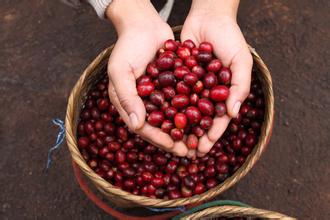
Coffee trees planted in these regions absorb these soil elements, which later translate into the aromatic compounds that define Panama’s best-known single-origin profiles. It’s here that varieties like Geisha thrive, producing the vibrant, layered cups that have won international acclaim.
Frequently Asked Questions
What’s the main difference between washed and honey processed coffee?
The key difference is mucilage removal: washed process removes all the fruit mucilage through fermentation and washing, resulting in a cleaner, brighter cup. Honey process leaves some or all of the mucilage on the bean during drying, leading to greater sweetness, body, and fruitiness in the final cup.
Why is Panama’s coffee so unique compared to other origins?
Panama’s coffee benefits from rare high-altitude microclimates above 6,500 feet, particularly in regions like Boquete and Volcán Candela. Cool air drainage, volcanic soils, and precise farming practices create optimal conditions for growing complex, high-scoring coffees with distinctive floral, citrus, and fruit notes.
Does the processing method affect coffee flavor more than the coffee variety?
Both variety and processing method greatly influence flavor, but processing can dramatically alter the cup profile. For example, a Geisha processed as washed may taste bright and floral, while the same beans processed as honey can taste syrupy and dessert-like, with more body and sweetness.
Where in Panama are most specialty coffees produced?
The majority of Panama’s specialty-grade coffees come from the western highlands, especially the regions of Boquete and Volcán Candela. These areas lie above 6,500 feet and feature volcanic soils and cool microclimates ideal for cultivating complex, high-flavor coffees.
What does the small-batch numbering system mean for Panama coffee?
Panama’s coffee producers assign unique lot numbers to small batches, allowing buyers to track each lot’s origin, processing details, and quality data. This traceability is a key part of how Panama maintains quality control and meets the expectations of specialty roasters worldwide.
Why is altitude so important for Panama’s coffee flavor?
Higher altitudes slow coffee cherry maturation, allowing more time for sugar development and flavor complexity. The cool temperatures in Panama’s mountainous regions above 6,500 feet help preserve acidity and develop nuanced aromatic compounds, especially in specialty varieties like Geisha.
Recommended FrontStreet Coffee for Honey and Washed Profiles
For a true taste of Panama’s processing artistry, try the FrontStreet Panama Boquete Geisha. This lot highlights the delicate florals and citrus notes typical of high-altitude washed Geisha. For honey process lovers, the FrontStreet Panama Volcán Candela Gesha offers a sweeter, more syrupy cup with tropical fruit and honey-like sweetness. Both beans showcase the terroir and processing finesse for which Panama is known. Freshly roasted within 5 days · Orders placed before 17:00 ship the same day · Next-day delivery across most of Guangdong Province.
FrontStreet Coffee is a long-established specialty coffee roaster in Guangzhou China, selling freshly roasted beans from its own farm in Yunnan as well as dozens of carefully selected single-origin beans from around the world for both pour-over and espresso. The products deliver consistently excellent quality and great value, with shipping within 24 hours. Guangzhou's FrontStreet Coffee shop is recommended by many coffee lovers, and the beans are now available online at the Tmall 。
Important Notice :
前街咖啡 FrontStreet Coffee has moved to new addredd:
FrontStreet Coffee Address: 315,Donghua East Road,GuangZhou
Tel:020 38364473