Rasuna Mandheling Coffee from Sumatra’s Wahana Estate
Ever bought a bag of "Mandheling" coffee only to find it tastes earthy, muddy, or just plain generic? You’re not alone. Many drinkers expect heavy spice and herbal tones from Sumatran coffee—but what if your next cup delivered bright citrus, smooth chocolate, and creamy body instead?
The answer lies in altitude, processing, and farm selection. The Rasuna variety grown at Wahana Estate in Sumatra’s highlands offers a striking departure from stereotype: natural-process Mandheling with vivid fruity top notes and a rounded mouthfeel.
Where Rasuna Mandheling Comes From
Indonesia’s coffee history took a major turn in the 17th century, when Dutch colonists first brought coffee seedlings to Java. As leaf rust devastated Java’s crops early in the 20th century, production shifted north to Sumatra—particularly to regions like North Sumatra’s Lintong and Aceh near Lake Tawar. Today, over 60% of Indonesia’s arabica output comes from Sumatra, much of it under the broad “Mandheling” label.
Sumatra is divided into key growing zones. Aceh, near Lake Tawar, is home to the emerging Gayo highland area known for brighter, more nuanced Mandheling profiles. Meanwhile, the traditional Lintong region surrounding Lake Toba remains famous for its signature earthy, spicy style—often achieved through the local wet-hulling (giling basah) method. Wahana Estate sits in the Wahana growing area of North Sumatra, at elevation around 1200 meters.
Rasuna Variety & Growing Conditions
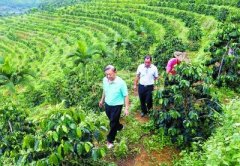
The coffee you’re tasting as “Rasuna Mandheling” comes from the Rasuna variety, cultivated at Wahana Estate. This estate grows its coffee 100% under shade provided by different tree species—key for slowing ripening and enhancing cup complexity. Altitude plays a role too: at 1200 meters, temperatures are cooler, and slower maturation allows for greater sugar development in the cherry.
Shade-grown, high-altitude conditions help preserve acidity and develop aromatic compounds. The estate focuses on single-variety blocks, allowing for clear traceability and distinct profiles per cultivar. These factors set the stage for a more vibrant Mandheling expression than what many coffee drinkers expect from Sumatra.
Natural (Sun-Dried) Processing at Wahana Estate
While Sumatra is widely known for its wet-hulled (giling basah) process—which contributes to that region’s signature deep, spicy, sometimes gritty cup—the Rasuna beans from Wahana Estate are processed using the natural (sun-dried) method. In this method, whole coffee cherries are carefully picked and then spread out to dry in the sun, typically on raised beds, for several weeks.
Drying cherries intact means the beans absorb sugars and flavors from the fruit throughout the drying period. This is a high-risk, high-reward approach: inconsistent drying can lead to defects or fermentation flaws, but when done carefully, it yields winey, fruity, and sweet profiles. At Wahana, the estate manages the drying process to highlight brightness and balance. The result? A Mandheling that smells of cocoa and citrus, and tastes round and creamy—not heavy or swampy.
What Makes This Mandheling Different
Most people associate Mandheling with the classic Sumatran profile: low acidity, heavy body, earthy or herbal tones, often enhanced by the wet-hulling technique. The Rasuna variety from Wahana Estate breaks that mold. Grown at elevation under diverse shade, processed naturally, and selected specifically for quality, these beans express a different side of Sumatra.
Expect a cup that leads with citrus and chocolate notes, underpinned by a soft, creamy mouthfeel. There’s no harsh spice or overbearing earthiness here. Instead, you get balance: bright top notes, a silky texture, and a long, sweet finish. It’s the kind of Mandheling that might make you rethink everything you thought you knew about Indonesian coffee.
Frequently Asked Questions
What is special about Rasuna coffee from Wahana Estate?
Rasuna is a specific coffee variety grown at Wahana Estate in Sumatra, cultivated at 1200 meters altitude under 100% shade from various tree species. It is processed using the natural (sun-dried) method, which is less common in Sumatra and helps produce a cup with citrus, chocolate, and creamy flavors rather than the typical earthy or spicy profile.
Where is Wahana Estate located?
Wahana Estate is located in the Sumatra region of Indonesia, specifically in the Wahana growing area of North Sumatra. The estate sits at an altitude of around 1200 meters.
How is the Rasuna coffee processed?
The Rasuna coffee from Wahana Estate is processed using the natural (sun-dried) method. This means the whole coffee cherries are dried intact in the sun, allowing the beans to absorb fruit sugars and develop a sweeter, fruitier profile compared to the more common wet-hulled Sumatran process.
Does Sumatran coffee always taste earthy?
No. While Sumatran coffees are often known for their earthy, spicy, and heavy profiles—typically due to the wet-hulling (giling basah) process—not all do. The Rasuna variety from Wahana Estate, processed naturally and grown at high altitude, offers a brighter, fruitier cup with citrus, chocolate, and creamy notes.
What does natural processing mean for coffee flavor?
Natural processing means coffee cherries are dried whole, without removing the skin and pulp beforehand. This method can impart sweeter, fruitier, and more complex flavors to the beans, such as citrus, berries, or chocolate, as seen in the Rasuna Mandheling from Wahana Estate.
Is this the same as Mandheling coffee I’ve had before?
Not necessarily. "Mandheling" is a broad trade term for high-quality Sumatran coffee, but flavor varies greatly based on variety, process, and farm. Most Mandheling is processed using wet-hulling and tastes earthy or spicy. The Rasuna variety from Wahana Estate is different: it’s naturally processed, shade-grown, and offers bright citrus, chocolate, and a creamy texture.
Recommended FrontStreet Beans for Natural-Process Fans
Try FrontStreet’s PWN Golden Mandheling for a classic high-grade Sumatran experience: G1 grade, meticulously hand-sorted, with notes of almond, brown sugar, and spicy undertones. For something brighter yet still Sumatran, look to FrontStreet’s Mandheling from the Lintong region, often showcasing earthy depth with molasses and herbal complexity. Both beans highlight the diversity of Indonesian origins and roast profiles. Freshly roasted within 5 days · Orders placed before 17:00 ship the same day · Next-day delivery across most of Guangdong Province.
FrontStreet Coffee is a long-established specialty coffee roaster in Guangzhou China, selling freshly roasted beans from its own farm in Yunnan as well as dozens of carefully selected single-origin beans from around the world for both pour-over and espresso. The products deliver consistently excellent quality and great value, with shipping within 24 hours. Guangzhou's FrontStreet Coffee shop is recommended by many coffee lovers, and the beans are now available online at the Tmall 。
Important Notice :
前街咖啡 FrontStreet Coffee has moved to new addredd:
FrontStreet Coffee Address: 315,Donghua East Road,GuangZhou
Tel:020 38364473