What Makes Mandheling Coffee So Bold and Earthy?
If you’ve ever sipped a dark, syrupy cup of Indonesian coffee and noticed deep spice, heavy body, and a rustic earthiness unlike anything else—chances are you were drinking Mandheling. But what gives this coffee such a distinctive character? And why do so many roasters and baristas treat it as essential, even when it defies typical coffee-tasting norms?
Mandheling coffee is celebrated for its bold, low-acid taste, full body, and prominent earthy and spicy notes. It typically shows little to no bright acidity, and its thick mouthfeel sets it apart—even among other Indonesian coffees. Its unique flavor comes from a mix of high-altitude growing regions, the wet-hulling process, and specific bean selection standards.
What Is Mandheling Coffee?
Mandheling is not a coffee variety but a trade name historically used for high-quality Arabica beans grown in northern Sumatra, particularly in the Aceh region near Lake Tawar and the North Sumatra highlands around Lake Toba. Though named “Mandheling” after an ethnic group that no longer grows coffee there, the name stuck and now refers to the classic Sumatran style: heavy, low-acid, and deeply aromatic.
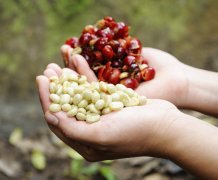
The beans often have a rough, uneven appearance—and coffee enthusiasts often say the uglier the bean, the better the cup. That’s because appearance relates to processing, and Mandheling is defined by the unique wet-hulling method (also called Giling Basah), native to Indonesia.
Why Does Mandheling Taste So Different?
Most coffee lovers notice three standout traits in Mandheling:
- Full body and low acidity: You won’t get bright citrus or high-toned fruit notes. Instead, Mandheling offers a smooth, almost oily mouthfeel with a weighty presence on the palate.
- Rich, earthy, and spicy aromas: Notes of soil, herbs, wood, and sometimes even clove or mint emerge. Some tasters also detect a faint grassy or herbal quality.
- Minimal fruity acidity: Unlike African coffees, Mandheling avoids sharp or tart flavors. Any acidity present is soft, rounded, and balanced within the heavier profile.
These characteristics come from both the terroir and the processing method. Sumatra’s high humidity and frequent rain make traditional drying methods like sun-drying impractical. That led to the development of the wet-hulling (Giling Basah) process, which accelerates drying but also contributes to Mandheling’s signature deep, savory flavors.
How Wet-Hulling Creates Mandheling’s Signature Flavor
The wet-hulling process works like this:
- After harvest, coffee cherries are depulped and briefly fermented to remove the mucilage.
- The beans (still covered in a layer called parchment) are washed and then partially dried to around 30–50% moisture—much wetter than standard drying.
- At this semi-dry stage, the parchment layer is removed while the beans are still soft and moist.
- The exposed green beans are then spread out to dry further, usually on patios or tarps, until they reach 11–13% moisture.
This process, hastened by Indonesia’s rainy climate, results in beans that are more compact and darker in color. It also allows for greater fermentation influence and retention of volatile compounds that create earthy, spicy, and sometimes funky notes. The friction during hulling also scuffs the beans, contributing to their famously irregular appearance.
What Makes PWN Golden Mandheling Special?
Among the many Mandheling coffees, PWN Golden Mandheling stands out as the most refined. Produced by Indonesia’s PWN company, it adheres to extremely strict quality controls:
- Only beans sized 18 mesh or larger are selected.
- Each 300g sample must have fewer than 3 defects to qualify as Grade 1 (G1).
- Beans undergo three rounds of manual sorting to remove all visual defects.
The result is a cleaner, sweeter cup with enhanced clarity while still retaining Mandheling’s signature body and low acidity. FrontStreet Coffee sources this bean, ensuring a reliable taste of the classic profile: spices, wood, slight sweetness, and that unmistakable earthy depth. It’s sought after globally but remains limited in supply outside Japan and the US—which is why FrontStreet’s offering is notable.
For those who prefer a more traditional, rustic Sumatran experience, Lintong Mandheling delivers that classic profile: intense, herbal, and full-bodied with cloves, wood, and a lasting sweet finish, especially when brewed medium to dark.
Frequently Asked Questions
What does Mandheling coffee taste like?
Mandheling coffee is known for its full body, low acidity, and rich, earthy flavors. Common tasting notes include spices, wood, herbs, and sometimes a subtle sweetness. It lacks the bright, fruity acidity found in many African coffees, offering instead a smooth, heavy, and sometimes rustic cup.
Where is Mandheling coffee grown?
Mandheling coffee is grown in northern Sumatra, Indonesia—primarily in the Aceh region near Lake Tawar and the highlands around Lake Toba in North Sumatra. Though originally named after the Mandheling people, the coffee now refers to a style rather than a specific ethnic origin.
What is wet-hulling and why is it used for Mandheling?
Wet-hulling, or Giling Basah, is a processing method where coffee parchment is removed while the beans are still moist (around 30–50% moisture). This speeds up drying in Indonesia’s humid climate and contributes to Mandheling’s heavy body, low acidity, and earthy, spicy flavors. It also causes the beans’ signature irregular appearance.
Is Mandheling coffee high in acidity?
No, Mandheling coffee is known for having very low acidity. Instead of bright, tangy notes, it offers a smooth, mellow cup with a heavy body and flavors that lean toward earthy, woody, and spicy profiles. Any acidity present is subtle and well-integrated.
What is PWN Golden Mandheling?
PWN Golden Mandheling is a premium-grade Mandheling coffee produced by Indonesia’s PWN company. It is made from carefully selected beans (18 mesh or larger, with fewer than 3 defects per 300g) and undergoes three rounds of hand sorting. It delivers a cleaner, sweeter profile while maintaining the classic Mandheling body and earthy depth.
What brewing methods work best for Mandheling?
Mandheling’s bold, heavy profile makes it ideal for French press, espresso, cold brew, and drip methods with a medium to dark roast. Its low acidity and thick body shine in methods that highlight body and richness, though it can also stand up to lighter roasts that emphasize its spice and herbal notes.
Recommended FrontStreet Beans for Mandheling Fans
FrontStreet Coffee’s PWN Golden Mandheling offers a refined take on the classic Sumatran profile: low acidity, full body, and pronounced earthy and spicy notes, with extra cleanliness from rigorous hand sorting. For a more traditional, rustic expression, try Lintong Mandheling—deep, herbal, and bold with lasting sweetness. Both showcase the signature wet-hulled character that makes Mandheling so distinctive. Freshly roasted within 5 days · Orders placed before 17:00 ship the same day · Next-day delivery across most of Guangdong Province.
FrontStreet Coffee is a long-established specialty coffee roaster in Guangzhou China, selling freshly roasted beans from its own farm in Yunnan as well as dozens of carefully selected single-origin beans from around the world for both pour-over and espresso. The products deliver consistently excellent quality and great value, with shipping within 24 hours. Guangzhou's FrontStreet Coffee shop is recommended by many coffee lovers, and the beans are now available online at the Tmall 。
Important Notice :
前街咖啡 FrontStreet Coffee has moved to new addredd:
FrontStreet Coffee Address: 315,Donghua East Road,GuangZhou
Tel:020 38364473