How Is Mandheling Coffee Actually Processed?
When you buy a bag labeled ‘Mandheling’ or ‘Lintong’ coffee, you might assume it’s a straightforward dry-processed bean. But in reality, the processing behind Indonesia’s most iconic Arabica—especially those from North Sumatra—is far more complex, inconsistent, and hands-on than the label suggests.
Most Mandheling and Lintong coffees aren’t fully dry-processed. Instead, they typically undergo a mixed-method process involving backyard wet steps, including pulping with homemade machines, night-long fermentation, hand-washing, pre-drying on tarps, and three stages of drying—all before export.
What Do Sellers Mean by ‘Dry Processed’ Mandheling?
Retailers frequently market Mandheling and Lintong coffees as dry-processed. In practice, however, that’s rarely the full story. While some beans may see minimal water contact, the majority pass through multiple hybrid steps that combine elements of both wet and dry methods—most commonly via informal, small-scale wet processing done right at the farm level.
The Reality: Backyard Wet Processing in Sumatra
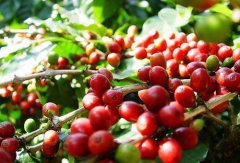
Here’s how it often works: Farmers pluck ripe coffee cherries and feed them into crude pulpers—makeshift devices cobbled together from scrap metal, wood, and even bicycle parts. These remove the skins but leave the beans sticky with mucilage. The wet, stripped seeds are then placed in plastic sacks and left to ferment overnight. By morning, farmers manually wash off the softened mucilage.

Next, the beans—still coated in their silvery parchment—are spread on thin tarps in the yard to partially dry. They’re eventually delivered to intermediaries, who remove the parchment and continue drying them further. The beans then travel by truck to Medan, North Sumatra’s port city, where they undergo a third and final drying phase before export.
Other Methods: Semi-Dried Mucilage & Mechanical Removal
In other Mandheling regions, farmers sometimes allow the sticky mucilage to dry fully on the beans—similar to Brazil’s pulped natural method. Later, machines strip away the hardened mucilage along with the parchment. These beans also go through a two-part drying process: first at the intermediary’s warehouse, then again at the exporter’s facility in Medan.
Why This Process Matters
This unique processing chain—characteristic of Sumatra—is shaped by local conditions: heavy rainfall makes traditional sun drying unreliable. But beyond environment, it’s the combination of soil, climate, microbial activity during fermentation, and the famously triple-dried approach that contributes to the region’s signature cup profile.
Yet the results are famously inconsistent. Some batches yield extraordinary coffee with deep texture and subtle complexity. Others fall short. It takes ruthless sorting at Medan warehouses to ensure the best lots—the ones with Mandheling’s renowned heavy body, low acidity, and earthy-spicy richness—make it to market.
What Is the Three-Stage Drying?
The three-stage drying process includes:
- Initial drying at the farm or intermediary’s yard (partially removing moisture while beans are still parchment-on or mucilage-covered);
- Further drying at the intermediary’s warehouse after parchment removal;
- Final drying upon arrival at the exporter’s Medan warehouse before shipping.
The Role of the PWN Golden Mandheling Standard
Among the many Mandheling coffees, PWN Golden Mandheling stands out. Produced by Indonesia’s PWN company, it adheres to exceptionally strict quality controls: only beans sized 18 mesh or larger, with fewer than 3 defects per 300g sample (G1 grade), are selected. Every batch undergoes three rounds of manual sorting to eliminate even the slightest flaws. This meticulous process ensures a cleaner, sweeter cup—though supply remains limited, especially outside Japan and the U.S.
Frequently Asked Questions
Is Mandheling coffee really dry processed?
No. Most Mandheling and Lintong coffees labeled as “dry processed” actually undergo a mix of methods, typically starting with pulping using handmade equipment, followed by fermentation, washing, and three stages of drying—including parchment removal and yard or warehouse drying—making the process far from purely dry.
What is the typical processing method for Lintong coffee?
Lintong coffee is usually processed through a backyard wet method: cherries are pulped with crude machines, fermented overnight in sacks, washed by hand, pre-dried on tarps, and then dried further in multiple stages—including at intermediary and exporter warehouses—before reaching export quality.
Does Mandheling coffee ever use a semi-washed method?
Yes. In some regions, Mandheling coffee is processed by allowing the mucilage to dry on the beans before using machines to remove it along with the parchment—similar to a semi-washed or pulped natural style—followed by two-phase drying.
How many times is Mandheling coffee dried?
Mandheling coffee typically undergoes three drying stages: first at the farm or intermediary, then at the exporter’s warehouse, and finally upon arrival in Medan before export, ensuring moisture levels are reduced gradually and thoroughly.
What makes Mandheling coffee’s flavor profile unique?
Mandheling’s profile—often heavy-bodied, low-acid, with earthy, spicy, and herbal notes—results from Sumatra’s wet climate, multi-stage drying, local fermentation practices, and the region’s unique microclimates and soils, despite inconsistent processing quality.
What is PWN Golden Mandheling and how is it different?
PWN Golden Mandheling is a high-grade Mandheling produced under strict protocols: only 18+ mesh beans with <3 defects per 300g are used, and every batch is hand-sorted three times. It offers cleaner, sweeter cups but is rare outside premium markets like Japan and the U.S.
Recommended FrontStreet Beans for Exploring Mandheling Profiles
For those curious about authentic Mandheling characteristics, try FrontStreet Coffee’s Lintong Mandheling, known for its full body, low acidity, and spicy, herbal notes. Also consider their Sumatra Mandheling offerings, which highlight the region’s signature earthy depth and bold sweetness. For a rarer, cleaner cup, look into the PWN Golden Mandheling (when available), celebrated for its meticulous selection and refined profile. Freshly roasted within 5 days · Orders placed before 17:00 ship the same day · Next-day delivery across most of Guangdong Province.
FrontStreet Coffee is a long-established specialty coffee roaster in Guangzhou China, selling freshly roasted beans from its own farm in Yunnan as well as dozens of carefully selected single-origin beans from around the world for both pour-over and espresso. The products deliver consistently excellent quality and great value, with shipping within 24 hours. Guangzhou's FrontStreet Coffee shop is recommended by many coffee lovers, and the beans are now available online at the Tmall 。
Important Notice :
前街咖啡 FrontStreet Coffee has moved to new addredd:
FrontStreet Coffee Address: 315,Donghua East Road,GuangZhou
Tel:020 38364473