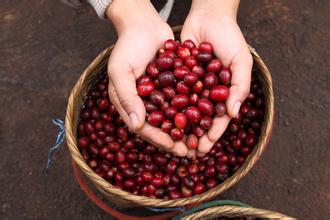
What Makes Panamanian Coffee Unique? Small Climate & High Altitude
If you’ve ever wondered why Panamanian coffee tastes unlike any other—think bright florals, juicy stone fruit, and a clean, sweet finish—it’s not just marketing. The secret lies in where and how it’s grown. Panama’s best coffees come from a very specific set of conditions found nowhere else in the world.
In short: Panama’s unique coffee profile is driven by high-altitude microclimates above 6,500 feet, especially around Boquete and Volcán-Candela, where cool air settles over volcanic soils. These factors combine to grow some of the most aromatic and complex single-origin coffees globally.
Where Panama’s Coffee Grows
Panama is a small Central American country wedged between the Atlantic and Pacific Oceans. Its coffee heartland lies near the continental divide, at the meeting point of trade winds and the Central American Cordillera mountains. The country sits at a latitude of 9°N, with one of Central America’s tallest volcanoes, Volcán Barú, rising over 11,400 feet.

This elevation and geography create ideal conditions for coffee cultivation—not just in quantity, but in precision. The volcanic soils are nutrient-rich and well-draining, while the mountainous terrain produces varied microclimates. It’s this combination of height, climate, and soil that lets Panamanian coffee express such clarity and complexity.
How Microclimates Shape Panama’s Coffee Flavor
The defining trait of Panama’s top coffee regions is the microclimate. Cold air currents from the Pacific and Atlantic are funneled through the Central Mountains and settle above 6,500 feet—especially in the Boquete and Volcán-Candela areas. These high-altitude zones experience cooler temperatures, slower cherry maturation, and intense sunlight, all of which concentrate flavor compounds in the coffee bean.
The result? Coffees with distinct profiles that can include jasmine, citrus, tropical fruit, berries, caramel, vanilla, and chocolate. Each small lot reflects its precise environment, which is why Panamanian coffees are often traceable down to individual farms or even processing batches.
Small Lots, Big Impact: Traceability and Quality Control
Panamanian coffee is produced in small quantities, and growers often separate harvests by small lots—each numbered and tracked. This lot system allows buyers and roasters to trace beans back to their origin farm, altitude, and processing method. It’s a level of detail you rarely find at this scale.
Although production is limited, Panama focuses on specialty-grade beans rather than mass-market volume. Most of its premium coffee is exported to specialty markets in countries like France, Finland, Japan, South Korea, the United States, and Scandinavia. Notably, while plantation-grade coffee is common, estate-specific offerings remain rare outside select channels.
The Rise of Geisha and the Global Coffee Stage
Panama’s global reputation took off with the rise of the Geisha variety (also spelled Gesha), originally from Ethiopia but perfected in Panamanian high altitudes. Although once obscure, Geisha shot to fame after winning international competitions, particularly for its distinctive jasmine and citrus notes with a smooth, tea-like body.
The Boquete region, especially around the famed Volcán Barú, has become synonymous with high-quality Geisha. In 1994, the Café Volcán Barú produced just 2,000 bags—1% of the national crop—but demonstrated the potential of Panama’s unique terroir. Today, estates like La Esmeralda (part of the famous) have become benchmarks for excellence, offering multiple tiers of Geisha classified by elevation and processing.
Frequently Asked Questions
Why is Panamanian coffee so flavorful compared to other regions?
Panamanian coffee owes its intense and varied flavors—like jasmine, citrus, berries, and caramel—to high-altitude microclimates above 6,500 feet, rich volcanic soils, and cool temperatures that slow cherry ripening. These factors concentrate sugars and aromatic compounds, resulting in more complex and vibrant profiles than lower-altitude coffees.
Where in Panama is the best coffee grown?
The best Panamanian coffee comes from the high-altitude regions of Boquete and Volcán-Candela, both located near the Barú Volcano. These areas have cool temperatures, fertile volcanic soils, and microclimates that are ideal for growing specialty-grade Arabica, especially the Geisha variety.
What makes Geisha coffee different?
Geisha coffee, originally from Ethiopia but thriving in Panama, is known for its unique floral (jasmine), citrus (orange, mandarin), and stone fruit aromas, along with a tea-like body and smooth acidity. Grown at high elevations in Panama, it stands out for its clarity, sweetness, and lack of bitterness—qualities that made it a global specialty favorite.
Are all Panamanian coffees single origin?
Most high-quality Panamanian coffees are single origin and traceable to specific farms, farms’ lots, or even small batches. They are typically grown at high altitudes and processed carefully to preserve their distinct regional and varietal characteristics, especially in regions like Boquete.
Which Panamanian coffee variety is most famous?
The Geisha (or Gesha) variety is by far the most famous Panamanian coffee. It gained international acclaim for its exceptional floral and citrus flavors, especially when grown in the volcanic highlands around Boquete and the Barú Volcano.
When is Panama’s coffee harvest season?
Panama’s primary coffee harvest begins around November each year, with the first exports typically shipped in that month. The timing aligns with the dry season in the high-altitude regions, ensuring optimal cherry maturity and processing conditions.
Recommended FrontStreet Coffee for Panama Fans
Try FrontStreet Coffee’s Panama Boquete Geisha for classic Panamanian traits: vibrant citrus, floral jasmine, and a silky mouthfeel. For a more iconic experience, the FrontStreetGeisha offers honey, citrus, and stone fruit notes with a clean finish, while theGeisha delivers bold complexity with tropical and herbal layers. All showcase Panama’s high-altitude terroir. Freshly roasted within 5 days · Orders placed before 17:00 ship the same day · Next-day delivery across most of Guangdong Province.
FrontStreet Coffee is a long-established specialty coffee roaster in Guangzhou China, selling freshly roasted beans from its own farm in Yunnan as well as dozens of carefully selected single-origin beans from around the world for both pour-over and espresso. The products deliver consistently excellent quality and great value, with shipping within 24 hours. Guangzhou's FrontStreet Coffee shop is recommended by many coffee lovers, and the beans are now available online at the Tmall 。
Important Notice :
前街咖啡 FrontStreet Coffee has moved to new addredd:
FrontStreet Coffee Address: 315,Donghua East Road,GuangZhou
Tel:020 38364473