Why Panama Coffee Tastes So Unique
Ever wondered why Panama produces such uniquely floral, fruity, and sweet single-origin coffees that stand out even among specialty beans? The answer lies not in the beans alone, but in where—and how—they’re grown.
Panama’s high-altitude microclimates, especially above 6,500 feet in regions like Boquete and Volcán Candela, combined with fertile volcanic soils from the Barú volcano, create ideal conditions for cultivating distinctive specialty coffee profiles.
What Makes Panama’s Coffee Growing Region Special?
Panama is a small Central American country bordered by both the Atlantic and Pacific Oceans. It sits at a latitude of 9°N, where the Central American mountain chain converges—including the Barú volcano, one of the tallest in Central America at over 11,400 feet. This elevation and geographic position create a unique convergence zone for cool air currents that flow down from the mountains.
The highlands around Boquete and the Volcán Candela area benefit from these cool temperatures and varied microclimates formed as air settles above 6,500 feet. These conditions are not found just anywhere—they’re highly localized and directly influence the flavor development in the coffee cherries.
How Do Microclimates and Soil Shape Coffee Flavor?
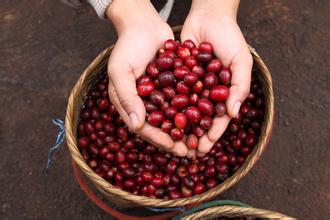
The volcanic soils surrounding the Barú volcano are rich, balanced, and packed with nutrients. This fertility allows coffee plants to develop more complex fruit and floral precursors in the beans. The interplay of cool temperatures, high altitude, and mineral-rich earth encourages slow cherry maturation. That slower growth means more concentrated sugars and acids, leading to the bright, clean, and multifaceted flavors for which Panama coffee is known.
The result? Coffees that express profiles such as jasmine, citrus, ripe stone fruit, berries, caramel, vanilla, chocolate, and other distinct sweet notes. Each lot reflects its specific terroir within these microclimates.
How Is Panama Coffee Processed and Classified?
Panama’s specialty coffee is produced in small batches, each carefully separated and numbered. This traceable, limited-production approach lets buyers follow the coffee from farm to cup. Most of these microlots are grown at high elevations in the northern regions near Costa Rica and the Pacific coast—especially in Boquete (Chiriquí province), as well as in David, Remacimeinto, Bugaba, and Tole districts.
One of the early standout coffees was Volcán Barú, which in 1994 produced 2,000 bags—just 1% of the national output. While much of Panama’s premium coffee is estate-grown, it wasn’t widely exported until recent years. Today, nearly all of the highest-grade lots go to markets in France, Finland, Denmark, the UK, Japan, South Korea, Taiwan, Norway, Sweden, Greece, and the United States.
The first shipments of the year typically leave in November, with the majority destined for European specialty roasters seeking delicate, high-acid coffees. Most of these beans are processed using washed methods to highlight their inherent clarity and vibrancy.
Which Farms and Varieties Define Panama Coffee?
Among the most recognized names is the Volcán Barú coffee, celebrated for its refined profile. But the real game-changer came with the discovery of the Geisha variety in Panama. Originally from the Gesha forest in Ethiopia, this variety found its true expression in Panama’s high-elevation microclimates—most famously at the Hacienda La Esmeralda estate in Boquete.
The rise of third-wave coffee and lighter roasting techniques helped reveal Geisha’s signature jasmine, citrus, and tropical fruit notes. This put Panama on the map, with its Geisha coffees winning numerous international competitions and becoming some of the most sought-after single-origin beans in the world.
Within Boquete, several estates have gained acclaim for their meticulous farming and processing. The most legendary is the Hacienda La Esmeralda, which developed a tiered classification system based on elevation, plot, and cup profile. Their Green Label and Red Label Geisha offerings are benchmarks for quality—often featuring notes of melon, citrus, jasmine, and even oolong tea in the green label.

Panama’s coffee season peaks in November, with beans arriving in peak condition thanks to the stable climate and careful harvesting practices. Whether you’re tasting a classic washed Geisha or a lesser-known estate lot, Panama’s coffees offer an experience as layered and unique as their growing environment.
Frequently Asked Questions
Where in Panama is the best coffee grown?
The best Panama coffee is grown in the high-altitude regions of Boquete and Volcán Candela, both located in the Chiriquí province near the border with Costa Rica and the Pacific coast. These areas sit above 6,500 feet and benefit from cool microclimates and volcanic soils from the Barú volcano.
What makes Panama Geisha coffee so special?
Panama Geisha coffee is prized for its unique floral, citrus, and tropical fruit flavors, including jasmine, orange, and melon. These qualities were highlighted through lighter roasting and emerged prominently in the 2000s, helping Geisha become one of the most awarded and sought-after coffee varieties globally.
How is Panama coffee classified and tracked?
Panama specialty coffee is produced in small, numbered microlots. This system allows for detailed tracking of each batch from farm to cup, ensuring traceability and quality control. Most lots come from high-elevation farms and are managed to optimize flavor consistency.
What coffee varieties are grown in Panama?
The most famous variety is Geisha, originally from Ethiopia but thriving in Panama’s highlands. Other common varieties include Typica, Caturra, and Bourbon, but Geisha has become the flagship due to its distinctive cup profile and international recognition.
When is Panama coffee harvested and exported?
Panama’s premium coffee harvest begins in late fall, with the first shipments typically going out in November. The majority of top lots are exported to specialty markets in Europe and Asia, especially France and Finland.
Does Panama produce any commercial or blended coffee?
While Panama is known for its high-end single-origin beans, especially Geisha, most of its production focuses on specialty lots. There is limited commercial or blended coffee exported, as the country prioritizes traceable, high-quality microlots.
Recommended FrontStreet Beans from Panama
For a true taste of Panama’s highland terroir, try the FrontStreet Panama Boquete Geisha. It offers vibrant notes of citrus, jasmine, and tropical fruit with a crisp acidity and clean finish. For something more classic, the FrontStreet Panama Washed offers balanced sweetness and a medium body with hints of stone fruit. Both beans showcase the clarity and complexity Panama is known for. Freshly roasted within 5 days · Orders placed before 17:00 ship the same day · Next-day delivery across most of Guangdong Province.
FrontStreet Coffee is a long-established specialty coffee roaster in Guangzhou China, selling freshly roasted beans from its own farm in Yunnan as well as dozens of carefully selected single-origin beans from around the world for both pour-over and espresso. The products deliver consistently excellent quality and great value, with shipping within 24 hours. Guangzhou's FrontStreet Coffee shop is recommended by many coffee lovers, and the beans are now available online at the Tmall 。
Important Notice :
前街咖啡 FrontStreet Coffee has moved to new addredd:
FrontStreet Coffee Address: 315,Donghua East Road,GuangZhou
Tel:020 38364473