10 Coffee Facts Every Coffee Drinker Should Know
If you’ve ever wondered whether your daily coffee habit is helping—or harming—you’re not alone. From claims that coffee prevents cancer to fears it could kill you, the truth is more nuanced than viral headlines suggest. Here’s what research and roasters actually know.
In short: 2–3 cups of coffee per day offer proven health benefits like antioxidant intake and metabolism support, but over 10 grams of caffeine (about 100 cups) can be fatal—though you’d likely drown first. Beyond that, decaf isn’t caffeine-free, roast levels shape flavor, and your bedtime brew timing matters more than you think.
What Coffee Really Does to Your Body
Doctors agree: coffee’s effects depend on dosage. Moderate consumption—specifically, 2 to 3 cups daily—delivers measurable perks. U.S. biologists found this amount supports heart health, boosts metabolism (especially helpful for those with excess weight), and may even curb appetite. Coffee matches green tea in antioxidant content, compounds that theoretically help prevent cancer and slow aging.
The Risks: When Coffee Becomes Dangerous
Critics often highlight coffee’s potential to raise blood pressure and constrict blood vessels, linking excessive intake to heart risks. But here’s the catch: the lethal dose of caffeine is 10–13 grams. That requires drinking roughly 23 liters (over 100 cups) of coffee in one go—a feat made impossible by the sheer volume of liquid, regardless of caffeine. Translation? Fatalities from coffee alone are mythical.
Coffee & Athletic Performance
Coffee isn’t just for mornings—it’s a gym ally. Scientists at the University of Georgia found two cups post-workout reduce muscle soreness after intense exercise. Beyond recovery, caffeine enhances stamina, allowing longer, more effective training sessions. It’s also a staple in team sports: improved focus and faster reaction times make it a performance booster. Just don’t overdo it; excessive caffeine combined with strenuous activity may trigger heart palpitations, insomnia, or nervous system disturbances.
Coffee vs. Wine: The Surprising Romance Angle
Forget the usual dinner pairing rules. Research from the University of Wales suggests coffee could outperform wine in sparking intimacy—at least for women who don’t drink coffee regularly. Tests on female mice showed caffeine increased sexual activity frequency. For men, caffeine may improve blood flow to sexual organs, potentially aiding erections and stamina. Translation? Your evening cup might be more effective than a glass of wine, depending on your partner’s habits.
How Much Caffeine Is Actually in Your Cup?
Common wisdom says coffee has more caffeine than tea, but the gap isn’t huge. A typical cup of instant coffee contains roughly the same caffeine as a strong cup of black tea—sometimes slightly more. Green tea can actually have more. Yet people often limit coffee after noon while continuing to drink tea, unknowingly consuming more caffeine from their “safe” choice. Doctors recommend avoiding both coffee and tea within six hours of bedtime due to their lingering stimulant effects.
Decaf Isn’t Caffeine-Free
Don’t be fooled by the label: “decaffeinated” doesn’t mean caffeine-free. Decaf coffee contains significantly less caffeine than regular brews—about one-fifth the amount found in standard instant coffee and one-third of what’s in cola. It’s not zero, so sensitivity varies.
The Chemistry Behind Decaf Processing
Making decaf involves soaking raw beans in hot water to dissolve caffeine, then using the chemical solvent dichloromethane to extract the remaining caffeine particles. The beans are roasted and processed afterward. While this method is globally standardized, scientists emphasize that the final product is considered safe for consumption—but it’s not entirely free of chemical residues.
Why Roast Level & Brewing Time Define Flavor
Coffee’s aroma and bitterness stem from its essential oils, which start evaporating at around 200°C during roasting. The longer beans roast, the more oils are extracted, resulting in a darker color (from light brown to black), stronger flavor, and increased bitterness. Lighter roasts (pale to tan) indicate minimal heat exposure, while darker roasts (deep brown to black) signal prolonged roasting. Brewing time also plays a role: longer extraction pulls more caffeine and alters taste profiles. Darker roasts and extended brew times yield higher caffeine yields.
The Truth About Coffee’s Bitterness
Contrary to popular belief, caffeine isn’t the primary source of coffee’s bitterness. Chemists attribute the bitter taste to antioxidants in coffee—compounds that also contribute to its health benefits. If you’re after both youthfulness and wellness, embracing that bitter edge might be worth it.
The Accidental Discovery of Coffee
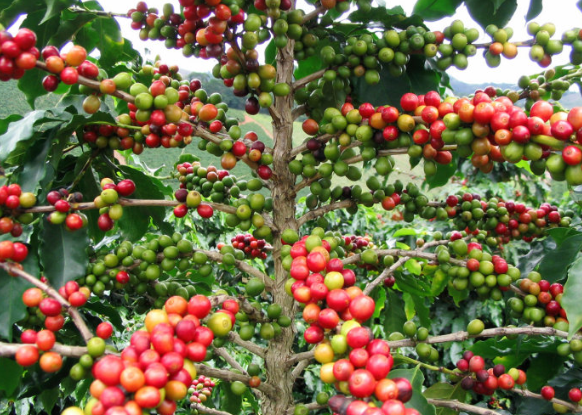
Legend credits goats with coffee’s discovery. Around 800 AD in Ethiopia, a shepherd named Kaldi noticed his flock acting unusually energetic after eating red berries from a tree. Intrigued, he shared the berries with a local priest, who roasted and brewed them into the first cup of coffee. Monks used the brew to stay awake during long prayer sessions, kicking off coffee’s long journey from Ethiopian highlands to global staple.
Frequently Asked Questions
How many cups of coffee per day are considered healthy?
Research shows 2 to 3 cups of coffee daily provide health benefits like improved heart function and metabolism, especially for those who are overweight. This moderate intake is generally safe for most people.
What is the lethal dose of caffeine?
The fatal amount of caffeine is 10 to 13 grams, equivalent to drinking approximately 23 liters (over 100 cups) of coffee in one sitting. However, consuming such a large volume of liquid alone would be fatal, making coffee-related deaths from caffeine overdose extremely unlikely.
Does decaffeinated coffee contain no caffeine?
No, decaf coffee isn’t caffeine-free. It contains about one-fifth the caffeine of regular instant coffee and one-third of the caffeine in cola. While the levels are significantly lower, they are not zero.
How does coffee roast level affect its taste?
Roasting determines coffee’s flavor profile. Lighter roasts (lighter brown) preserve more origin characteristics but have less bitterness. Darker roasts (darker brown to black) extract more essential oils, resulting in stronger flavors, higher bitterness, and more caffeine extraction during brewing.
Does coffee really improve athletic performance?
Yes, studies show that two cups of coffee after intense exercise can reduce muscle soreness and enhance stamina. Caffeine also improves focus and reaction times, making it beneficial for team sports, though excessive intake may cause side effects like insomnia or heart palpitations.
Is there any truth to coffee boosting romantic performance?
Some research suggests caffeine can increase sexual activity in female mice and improve blood flow in men, potentially aiding erections. Its effects vary based on individual caffeine habits, but it may have a positive impact on intimacy in certain cases.
Why does coffee taste bitter if caffeine isn’t the cause?
Bitterness in coffee comes primarily from antioxidants, not caffeine. These antioxidants are also linked to health benefits like anti-aging and cancer prevention, meaning the bitter taste is tied to coffee’s beneficial compounds.
How was coffee first discovered?
According to legend, an Ethiopian shepherd named Kaldi noticed his goats became energetic after eating red berries from a tree. He brought the berries to a priest, who created the first coffee brew by roasting and brewing them, leading to coffee’s use by monks to stay awake during prayers.
Recommended FrontStreet Beans for Coffee Explorers
Explore coffee’s full potential with FrontStreet’s Ethiopia Huakui (Ethiopia Yirgacheffe), offering bright citrus and floral notes, and PWN Golden Mandheling, a balanced Indonesian blend with nutty, caramel depth. For darker roast lovers, the Black Cocoa Blend delivers chocolatey richness with a bold finish. All showcase how roast and origin shape flavor—perfect for testing the facts in this guide. Freshly roasted within 5 days · Orders placed before 17:00 ship the same day · Next-day delivery across most of Guangdong Province.
FrontStreet Coffee is a long-established specialty coffee roaster in Guangzhou China, selling freshly roasted beans from its own farm in Yunnan as well as dozens of carefully selected single-origin beans from around the world for both pour-over and espresso. The products deliver consistently excellent quality and great value, with shipping within 24 hours. Guangzhou's FrontStreet Coffee shop is recommended by many coffee lovers, and the beans are now available online at the Tmall 。
Important Notice :
前街咖啡 FrontStreet Coffee has moved to new addredd:
FrontStreet Coffee Address: 315,Donghua East Road,GuangZhou
Tel:020 38364473