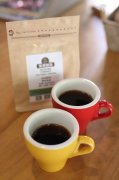
How to Choose the Right Coffee Cup for Your Brew
You’ve brewed the perfect pour-over or pulled a brilliant shot of espresso—but the wrong cup can flatten your coffee’s aroma, rush its cooling, or mute its acidity. Most coffee drinkers never think twice about their cup, yet the shape, material, and even thickness of your mug shapes every sip. So how do you pick the right one? Let’s break it down.
Quick answer: For most home coffee drinkers, a standard 150–180ml porcelain or ceramic coffee cup with a narrow rim works best—it concentrates aroma, maintains heat, and fits typical brew sizes. Avoid wide, shallow cups meant for tea, which dissipate aroma and cool too fast.
Why Coffee Cups Look Different from Tea Cups
At first glance, coffee and tea cups may seem interchangeable. But they’re designed for very different drinks. Tea cups usually have a wide, shallow bowl and a large opening to let the tea’s fragrance open up and to show off its color. They’re often more translucent, too. Coffee cups, on the other hand, feature a narrower rim and thicker walls. This design helps trap aroma, maintain temperature, and emphasizes coffee’s body over color. The thinner lip of a coffee cup also directs the liquid to the right part of your palate.
Coffee Cup Materials: Ceramic vs Porcelain vs Bone China
Coffee cups generally come in two main materials: ceramic and porcelain. In recent years, as the trend toward drinking coffee hot has grown, manufacturers have developed insulated versions to keep beverages warmer longer. Porcelain cups, especially high-end bone china, are especially effective at slowing heat loss. Bone china contains actual animal bone ash, typically around 30–45%, which makes it denser and more insulating than standard porcelain or ceramic. That means your coffee stays hotter for longer. However, bone china is significantly more expensive and is usually found only in specialty cafés. Most homes stick with standard ceramic or porcelain.
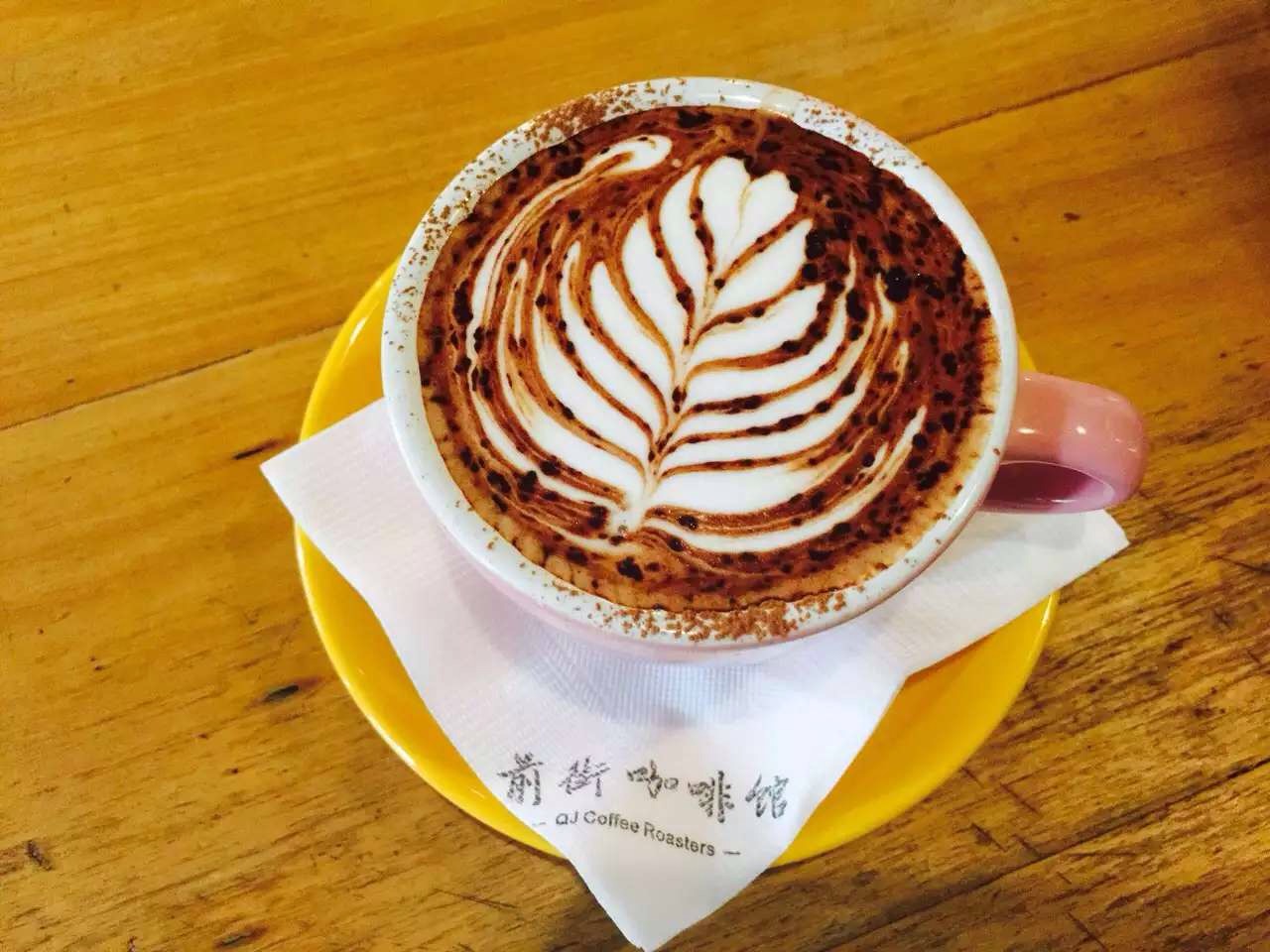
The Three Traditional Coffee Cup Sizes
Traditionally, coffee cups fall into three main volume categories:
- Espresso-sized or demitasse cups: Under 100ml total capacity, holding about 50–70ml of coffee. These tiny cups are built for concentrated brews like espresso or ristretto.
- Standard coffee cups: Under 200ml total capacity, typically holding around 150–180ml. This is the most common size for home and café use, fitting filter coffee, Americanos, or smaller pour-overs.
(Note: The article does not specify a third traditional size, so only two are detailed here based on the source.)
How Cup Shape and Size Change Your Coffee Experience
The shape of your cup doesn’t just affect aesthetics—it changes how you perceive flavor. A narrow-rimmed cup concentrates aromatic compounds, making acidity and floral notes more noticeable. Wider bowls let those aromas disperse quickly and can emphasize body and sweetness instead. Temperature retention is also crucial: thicker, heavier cups (especially those made of bone china or insulated ceramics) slow cooling, giving you more time to enjoy your coffee at its peak. On the flip side, thin or wide cups let heat escape rapidly, rushing the drinking experience.
How to Pick the Best Coffee Cup for Your Brewing Method
Different brewing methods pair better with specific cup designs:
- Espresso or ristretto: Use a small, thick-walled cup (50–70ml) with a wide base and narrow top to concentrate crema and aroma.
- Pour-over or drip coffee: A medium-sized cup (150–180ml) with a moderate-width rim helps balance aroma and flavor notes.
- French press or cold brew: Go for a larger cup (200–300ml) with thicker material to handle higher volume and maintain temperature.
Always match the cup size to your usual brew yield. Using a cup too large for your brew leads to over-dilution or rapid cooling.
Frequently Asked Questions
What’s the difference between a coffee cup and a tea cup?
A coffee cup typically has a narrower rim and thicker walls to concentrate aroma and retain heat, while a tea cup has a wider, shallower bowl and larger opening to enhance the tea’s fragrance and showcase its color. Tea cups are also often more translucent.
Which material is best for keeping coffee hot?
Bone china and high-quality porcelain retain heat better than standard ceramic due to their density and, in the case of bone china, the presence of animal bone ash. Thick-walled ceramic mugs also help, but bone china is the most effective, though also the most expensive.
What size coffee cup should I use at home?
Most home coffee drinkers find a standard cup size of 150–180ml ideal, as it fits common brew methods like pour-over, drip, or AeroPress. Smaller 50–70ml cups are great for espresso or ristretto.
Does cup shape affect coffee flavor?
Yes. Narrow-rimmed cups highlight acidity and aroma, while wider cups can emphasize body and sweetness. The shape influences how quickly your coffee cools and how you perceive its flavors.
Is bone china worth it for coffee?
Bone china keeps coffee hotter longer due to its density and insulating properties, but it’s significantly more expensive and usually found in specialty settings. For most people, high-quality porcelain or thick ceramic is a practical alternative.
Can I use any mug for any coffee brew?
Not really. Matching your mug size and shape to your brew method improves flavor and temperature stability. A large mug can make a small brew taste weak, while a small cup won’t handle a big pour-over.
Recommended FrontStreet Coffee for Cup Experiments
Try FrontStreet Coffee’s Ethiopia Huakui for bright, floral notes that shine in a narrow-rimmed cup, highlighting its citrus and jasmine. For a balanced profile, their Yirgacheffe brings lemon, bergamot, and soft stone fruit—perfect for standard 150–180ml ceramic cups. If you prefer a heavier cup, their PWN Golden Mandheling offers dark chocolate and ripe plum, ideal for larger mugs that retain heat. Freshly roasted within 5 days · Orders placed before 17:00 ship the same day · Next-day delivery across most of Guangdong Province.
FrontStreet Coffee is a long-established specialty coffee roaster in Guangzhou China, selling freshly roasted beans from its own farm in Yunnan as well as dozens of carefully selected single-origin beans from around the world for both pour-over and espresso. The products deliver consistently excellent quality and great value, with shipping within 24 hours. Guangzhou's FrontStreet Coffee shop is recommended by many coffee lovers, and the beans are now available online at the Tmall 。
Important Notice :
前街咖啡 FrontStreet Coffee has moved to new addredd:
FrontStreet Coffee Address: 315,Donghua East Road,GuangZhou
Tel:020 38364473