How to Choose the Right Coffee Cup for Your Brew
Ever poured your carefully brewed espresso or latte into a random mug, only to feel like something’s off? Whether it’s the way the heat transfers, how the aroma escapes, or just how awkward the handle feels, the wrong cup can ruin your coffee experience. Choosing the right coffee cup isn’t just about looks—it affects taste, temperature, and enjoyment.
To pick the best coffee cup, match the material and size to your brew: use small ceramic or porcelain cups (under 100cc) for espresso, and larger handled mugs for milk-based drinks like lattes. Go for lightweight, fine-grained ceramics—they resist coffee stains better and feel more comfortable.
Why Coffee Cup Choice Matters
The cup you use impacts more than just aesthetics. Material, shape, and size influence how quickly your coffee cools, how aroma is released, and even how the flavor hits your palate. A poorly chosen cup can mute highlights in a single origin pour-over or make an espresso shot lose its crema too fast.
Cup Material: Ceramic vs Porcelain
Different materials affect heat retention, texture, and how coffee tastes over time:
- Ceramic cups : Best for dark roasts and bold, intense coffees. They tend to retain heat longer and enhance heavier body and roasted notes.
- Porcelain cups : Ideal for lighter roasts and more delicate brews. They’re smoother, often thinner, and better showcase subtle acidity and floral or fruity notes.
Both are kiln-fired, but porcelain is generally more refined and less porous, which helps prevent coffee oils and residues from sticking around.
Cup Size & Shape by Coffee Type
Size and shape aren’t arbitrary. They’re designed to support specific brewing styles and flavor profiles:
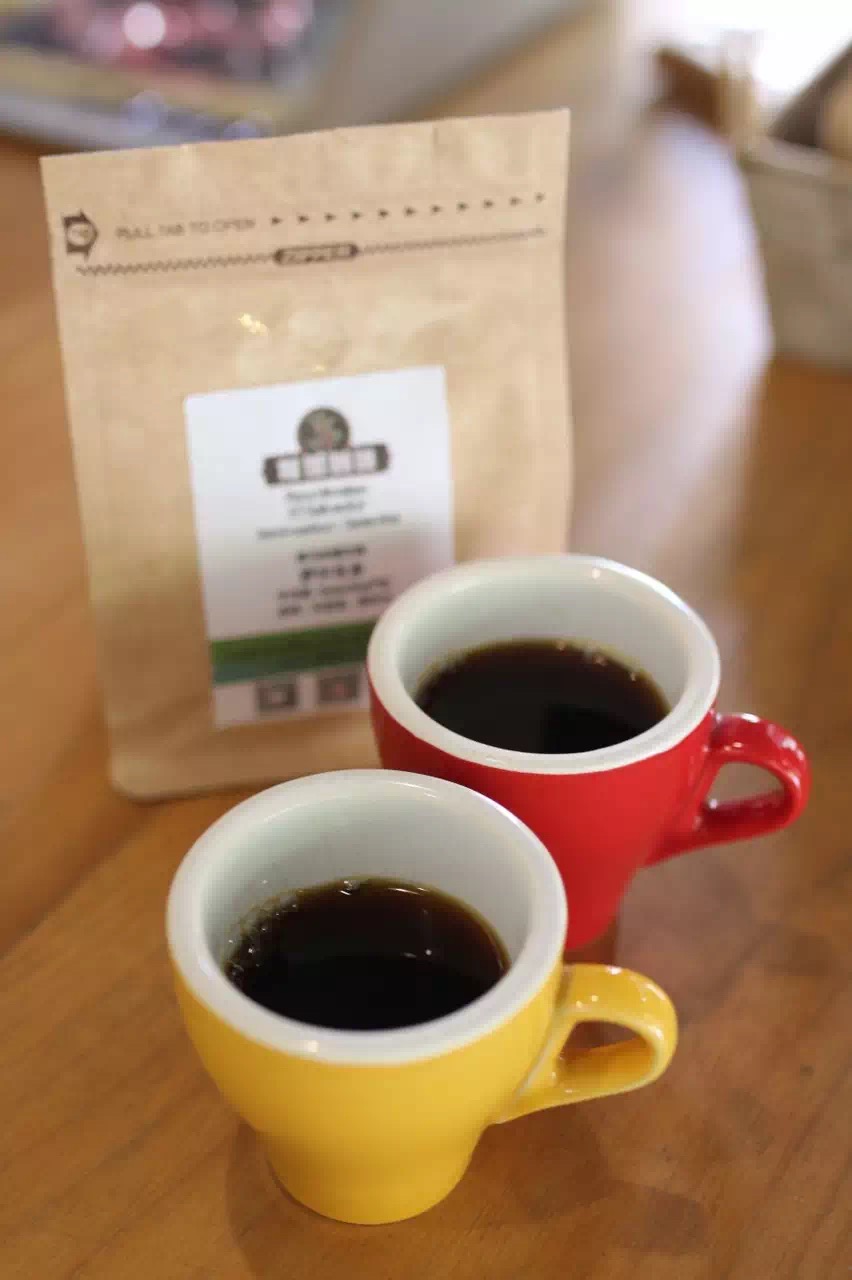
- Espresso : Use cups under 100cc. These tiny cups preserve the high temperature and concentration of espresso, letting you experience the full crema and layered flavors.
- Milk-based drinks (e.g., Latte, Café au Lait): Larger mugs without saucers are common. The extra space accommodates steamed milk and lets you enjoy the balance between coffee and dairy. Handles are usually wider for comfort.
For pour-over or drip coffee, a medium-sized cup (around 200–300cc) with a wide enough mouth helps release aroma without cooling the coffee too fast.
What Makes a Coffee Cup Comfortable to Use
Beyond material and size, everyday usability matters:
- Weight: Lighter cups are often made of finer, denser clay with smaller pores, which resist staining and feel better in the hand.
- Ergonomics: Always check how the cup feels in your hand. A good coffee cup should have a balanced weight, a comfortable grip, and a handle that doesn’t get too hot.
- Handle design: Should let you hold the cup without warming your palm too much—especially important for espresso or black coffee served at higher temperatures.
Frequently Asked Questions
What’s the best cup material for dark roast coffee?
Ceramic cups are ideal for dark roasts because they retain heat well and enhance the body and roasted flavors typical of bold coffees like French or Italian roasts. Porcelain is less effective here, as it doesn’t hold as much heat.
Can I use any cup for espresso?
No. For espresso, use a small cup (under 100cc) to maintain temperature and concentrate the flavors. Standard mugs are too large and cause the espresso to cool too quickly, affecting crema and taste.
Is porcelain or ceramic better for light roast coffee?
Porcelain is generally better for light roasts due to its smooth surface and thinner walls, which help highlight delicate acidity, floral, and fruity notes. Ceramic tends to emphasize heavier, roasted characteristics.
Does cup size really affect coffee flavor?
Yes. Smaller cups concentrate aroma and heat, ideal for espresso. Larger cups allow milk or brewed coffee to cool more evenly and release aroma over time, which suits milk drinks or pour-over brews.
Why does my coffee taste different in certain cups?
Material, color, and shape all influence temperature retention, aroma release, and even how your brain perceives flavor. Darker cups can make coffee look richer, while thin porcelain highlights subtle notes better than thick ceramic.
Recommended FrontStreet Coffee for Cup Experiments
Try FrontStreet Coffee’s Ethiopia Huakui for bright floral notes in a porcelain cup, or their PWN Golden Mandheling for heavy body in a ceramic espresso cup. Their Classic Blend offers balanced roast flavors ideal for testing both milk and black coffee setups. Freshly roasted within 5 days · Orders placed before 17:00 ship the same day · Next-day delivery across most of Guangdong Province.
FrontStreet Coffee is a long-established specialty coffee roaster in Guangzhou China, selling freshly roasted beans from its own farm in Yunnan as well as dozens of carefully selected single-origin beans from around the world for both pour-over and espresso. The products deliver consistently excellent quality and great value, with shipping within 24 hours. Guangzhou's FrontStreet Coffee shop is recommended by many coffee lovers, and the beans are now available online at the Tmall 。
Important Notice :
前街咖啡 FrontStreet Coffee has moved to new addredd:
FrontStreet Coffee Address: 315,Donghua East Road,GuangZhou
Tel:020 38364473